You don't need to spend money to start coding well. A good free Python course can teach real skills, build confidence, and give you a clear first step.
Python is still one of the best first languages because its syntax is readable and its early wins come fast. If you want to start with GalaxyonKnowledge's Introductory Python Programming Playlist, you can begin learning today and compare it with other free options as you grow.
What to look for in the best free Python course for beginners
The best free Python course for beginners is easy to follow, paced for new learners, and honest about what is free. Some courses teach well but hide the certificate behind a paywall. Others offer a badge but little practice.
Good Python education starts with structure. You should know what comes first, what comes next, and how each lesson connects. Short lessons help, but only if they build toward real understanding.
A beginner course works best when it removes confusion early and gives you small wins often.
Choose a course that teaches the basics in plain language
For python programming for beginners, clear language matters more than brand names. A strong course explains variables, data types, loops, conditionals, functions, lists, and dictionaries without assuming prior knowledge.
A beginner shouldn't feel lost in lesson one. Courses that move step by step help you learn the logic behind the code, not only the syntax. That difference matters because Python gets easier when you understand why code works.
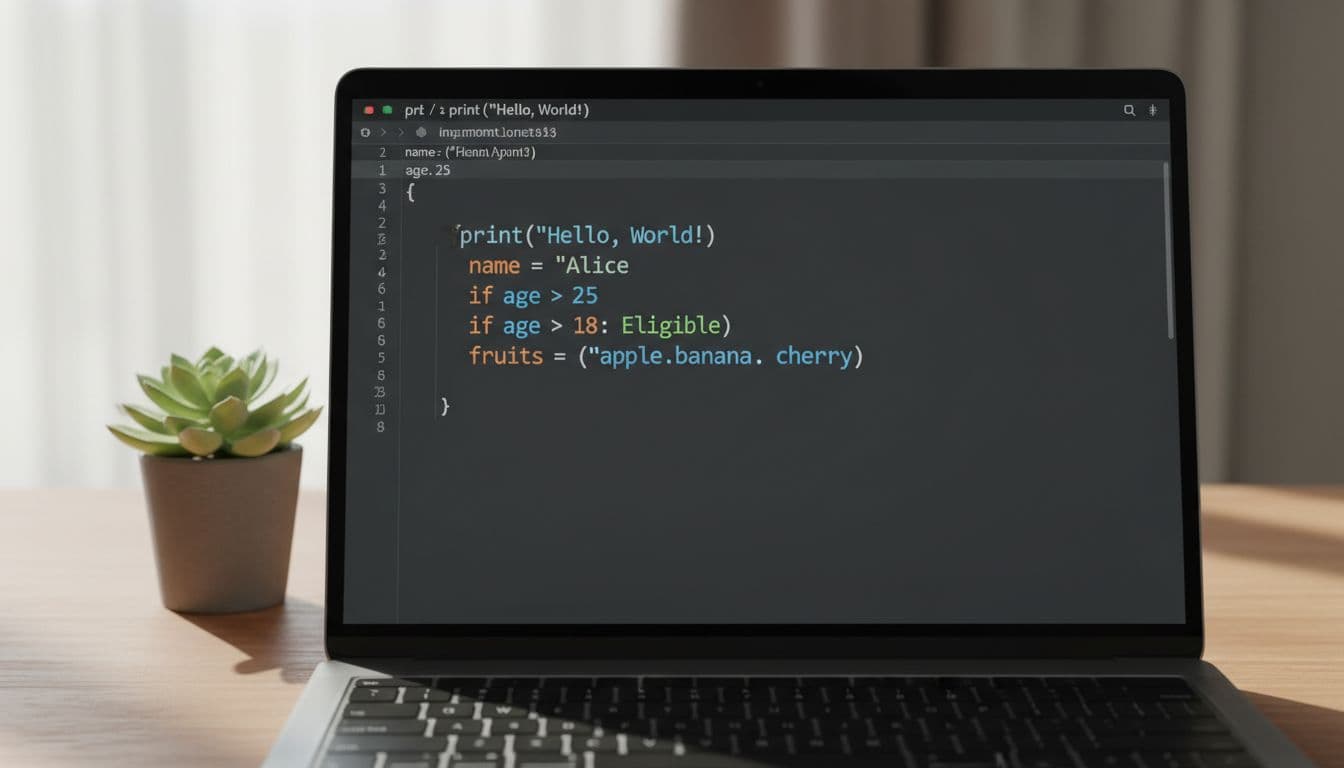
If a lesson introduces loops before simple variables make sense, the course is moving too fast. The best beginner programs explain one concept, show an example, then let you try it.
Look for practice, feedback, and a certificate that fits your goals
Some learners want a free Python course with certificate because it helps them stay on track. A certificate can also support a resume, a school application, or a LinkedIn profile. Still, practice usually matters more than the badge.
Hands-on courses let you write code, test ideas, and fix errors right away. Video-heavy courses can still be useful, but passive watching often creates false confidence. If you can complete an exercise without copying the answer, you're learning.
Also check what "free" means. Some platforms let you audit content for no cost, while the certificate appears only in certain tracks. If you want a free Python course for beginners with certificate access, read the course details before you start.
Courses with certificates for learners who want proof of progress
Python for Everybody remains one of the safest picks for absolute beginners. The teaching is calm, linear, and easy to absorb. It's often listed among the best free python course choices for people who want a certificate and a gentle start.
freeCodeCamp is another strong option if you like long-form video lessons. It isn't as interactive, but it does offer a free certificate and broad beginner coverage. That makes it useful for learners who want visible proof of progress.
Many people also search for a free Python course with certificate by Google. The closest fit is Google's Crash Course on Python, which offers a structured learning path and a free certificate, though some beginners find its pace brisk. By contrast, people looking for a free Python course with certificate by Microsoft should know that Microsoft Learn is strong for lessons, but current beginner material doesn't clearly offer a no-cost certificate.
Courses that are best for hands-on learning and fast skill growth
FreeAcademy Python Basics, Codecademy, and Microsoft Learn stand out when practice is the priority. A free online Python course for beginners works best when you type code early, make mistakes, and correct them while the lesson is still fresh.
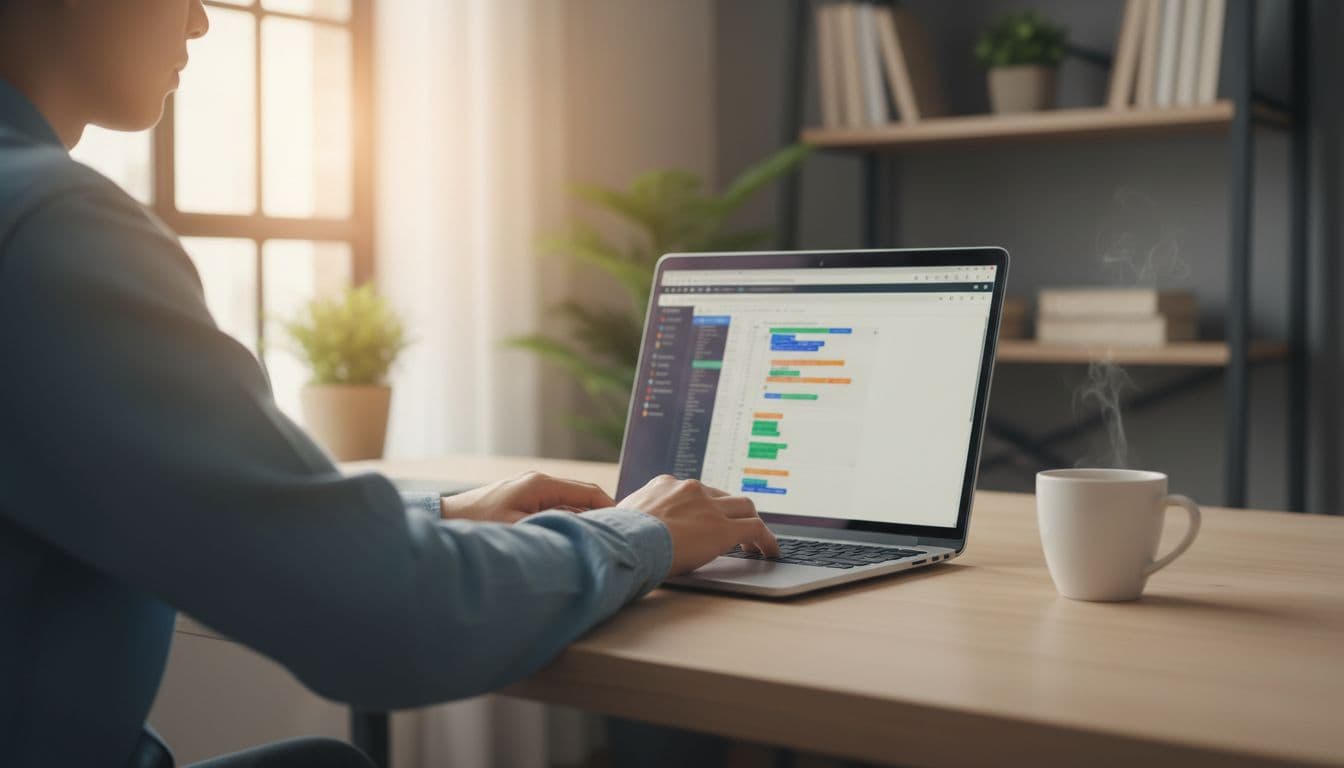
FreeAcademy is especially friendly for fast feedback. Codecademy also helps beginners because each step asks you to do something, not only watch. Microsoft Learn is clear and well organized, though the exercises feel lighter.
A Google Python course can mean two different things. Google's Crash Course on Python is more structured, while Google's Python Class is respected but often feels faster and less guided for a first-time learner.
Popular recommendations from communities and self-taught learners
Free python course Reddit discussions often circle back to the same names: Python for Everybody, freeCodeCamp, Automate the Boring Stuff, Codecademy, and Google's Python Class. That repeat pattern is useful because it shows which courses people finish and recommend.
Still, community opinion has limits. Some learners want slow teaching. Others want projects right away. So use forum advice as a filter, not a final answer. The best free Python course for beginners online is the one that matches your pace and keeps you going past week one.
How to get the most from a free online Python course for beginners
A course alone won't teach you Python. Your habits matter as much as the lessons. Set a small weekly schedule, take brief notes, and code along instead of watching passively.
After each module, pause and write something small from memory. That habit turns short-term understanding into skill. It also makes a free Python course with certificate more meaningful, because the learning is real.
Build small projects that match what you just learned
Small projects help new ideas stick. After basic input and output, make a calculator. After conditionals, build a quiz. When you learn loops, try a number guessing game. After lists, create a simple to-do list.
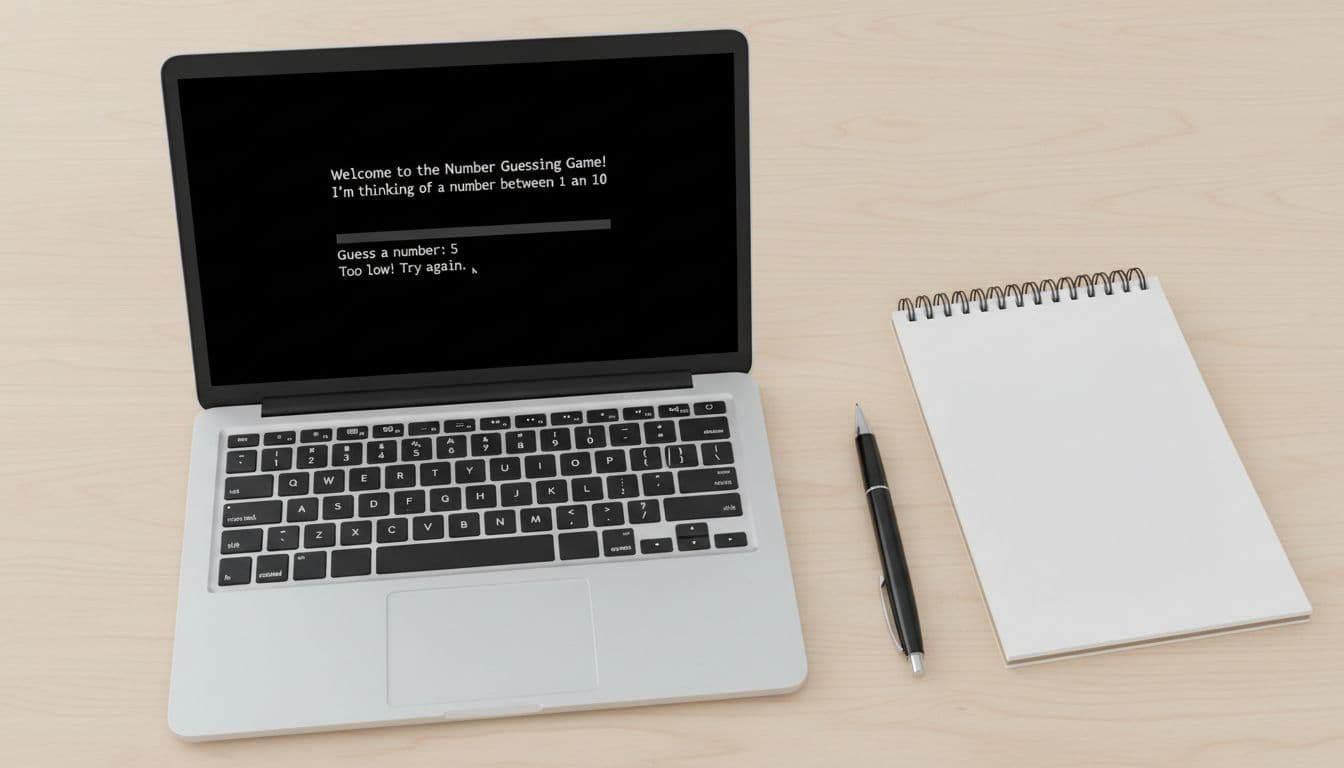
These projects are small, but they matter. They turn lessons into memory and make progress visible.
Use certificates, notes, and repetition to stay motivated
Certificates can mark progress, but repetition builds skill. Review old lessons, rewrite short programs from memory, and return to topics that felt hard the first time.
Most beginners quit because they rush. Slow review works better. If you want the best free python course experience, choose one that keeps you active long enough to build confidence.
Conclusion
You can start learning Python for free, and you can do it well. What matters most is finding a course that fits your pace, whether you want short lessons, hands-on practice, or a free certificate.
Pick one course and stay with it long enough to finish the basics. If you want a simple first step, start your coding journey now with GalaxyonKnowledge's free Python course for beginners and build from there.