Introduction
Starting an online business has become easier with the availability of free ecommerce platforms and affordable digital solutions. Entrepreneurs, startups, and small business owners can now establish an online presence without investing heavily in website development.
When researching ecommerce solutions, you may come across two popular terms: free ecommerce website and free online store.
Although these terms are often used interchangeably, they can describe slightly different approaches to selling products and services online.
A free ecommerce website generally refers to a website with online selling capabilities, while a free online store typically emphasizes the storefront where customers browse products and make purchases.
Understanding these differences can help businesses select a suitable platform based on their products, budget, and long-term growth plans.
In this article, we will explore the differences between a free ecommerce website and a free online store, their essential features, advantages, and factors to consider before getting started.
What Is a Free Ecommerce Website?
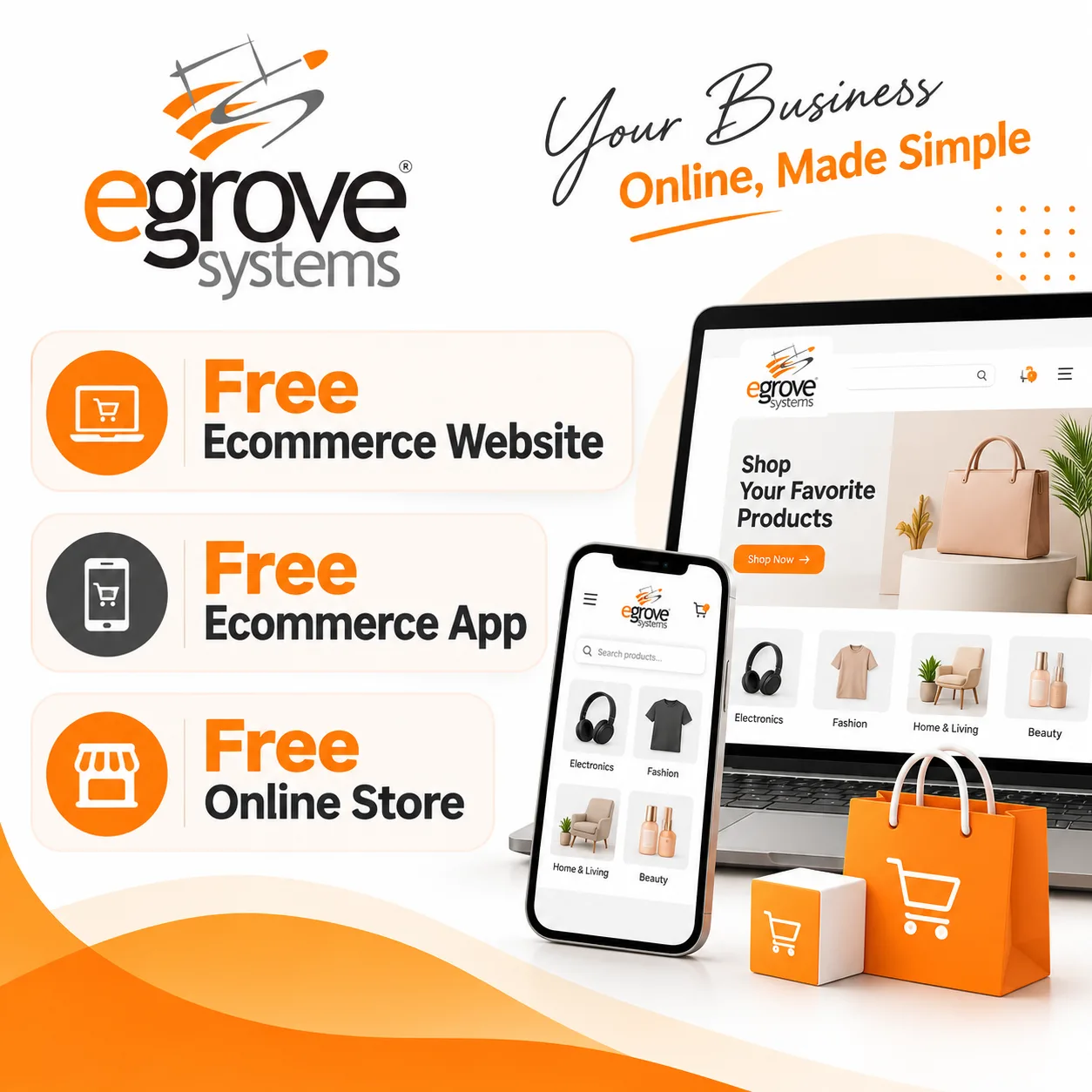
A free ecommerce website is a website that enables businesses to showcase products or services and conduct online transactions using a platform that offers a free plan or another no-upfront-cost arrangement.
Depending on the platform, an ecommerce website may include a homepage, product catalog, shopping cart, payment integration, customer accounts, and business information pages.
Unlike a basic informational website, an ecommerce website provides functionality that supports online selling and order management.
Key Features of a Free Ecommerce Website
- Product Catalog: Display products with descriptions, images, and pricing.
- Shopping Cart: Allow customers to select and review products before purchasing.
- Payment Integration: Support secure online transactions through compatible payment gateways.
- Order Management: Track purchases and manage customer orders.
- Mobile-Friendly Design: Provide an accessible shopping experience across different devices.
- SEO Features: Optimize website pages for relevant search engine queries.
- Business Information Pages: Share company details, contact information, policies, and helpful resources.
A free ecommerce website can be suitable for businesses that want a broader digital presence combining company information, marketing content, and online shopping functionality.
However, some free plans restrict certain ecommerce features or charge additional fees for transactions and premium services.
What Is a Free Online Store?
A free online store is a digital storefront where businesses can list products, display prices, accept orders, and manage sales using a free or no-upfront-cost ecommerce solution.
The primary purpose of an online store is to make buying and selling products convenient.
Online stores often focus on product discovery, shopping carts, checkout processes, and order fulfillment.
For example, a small clothing retailer may use a free online store to display clothing collections, manage orders, and provide customers with online payment options.
Key Features of a Free Online Store
- Easy product listing and category management
- Shopping cart and checkout functionality
- Online payment options
- Basic inventory tracking
- Customer order management
- Product discounts and promotional offers
- Mobile-responsive storefront design
- Shipping and delivery configuration
A free online store may be particularly useful for startups and small retailers looking to begin selling products without building a highly customized website.
Free Ecommerce Website vs. Free Online Store: Key Differences
While both solutions support online selling, their positioning and typical functionality may differ.
FeatureFree Ecommerce WebsiteFree Online StorePrimary focusBusiness website with ecommerce functionalityProduct selling and order processingWebsite structureMay include company pages, blogs, and shopping featuresPrimarily product catalogs and shopping pagesCustomizationDepends on the platform; may support broader site customizationOften focused on storefront customizationSEO capabilitiesMay offer SEO tools for both informational and product pagesOften emphasizes product and category optimizationProduct managementSupported through ecommerce featuresCore functionalityPayment integrationDepends on the plan and providerDepends on the plan and providerIdeal usersBusinesses needing a wider online presenceBusinesses primarily focused on online salesCostFree plans may include limitations and additional feesFree plans may include limitations and additional feesImportant: These differences are not strict technical categories. An online store is often part of an ecommerce website, and many platforms offer both sets of features in a single solution.
Benefits of Choosing a Free Ecommerce Website
A free ecommerce website can provide several advantages for businesses looking to develop an online identity.
1. Stronger Brand Presence
An ecommerce website allows businesses to introduce their brand, explain their services, and communicate their value to potential customers.
Pages such as About Us, Contact, FAQs, and blogs can provide helpful information beyond product listings.
2. More Content Marketing Opportunities
Businesses can publish educational articles, buying guides, product comparisons, and industry updates.
This content can support search engine optimization and attract customers researching relevant topics.
3. Flexible Business Presentation
A broader ecommerce website can be useful for companies offering both products and services.
For example, a technology business may showcase its services while also selling downloadable products or subscriptions.
4. Long-Term Growth Potential
Depending on the platform, businesses may be able to introduce additional functionality such as customer portals, advanced integrations, or custom workflows.
Benefits of Choosing a Free Online Store
A free online store is often attractive to entrepreneurs who want to begin selling products quickly.
1. Simple Setup
Many online store platforms provide ready-made templates and guided setup processes.
This can help business owners launch a storefront without extensive technical knowledge.
2. Lower Initial Expenses
Free plans or no-upfront-cost options can make ecommerce more accessible to businesses with limited budgets.
However, additional costs may apply for payment processing, shipping, custom domains, or premium features.
3. Easier Product Management
Online store platforms commonly include interfaces for uploading products, managing prices, and updating inventory.
These tools can simplify everyday retail operations.
4. Convenient Shopping Experience
An online store gives customers a dedicated environment to explore products, review pricing, and complete purchases.
A streamlined shopping process can improve customer convenience and support sales opportunities.
Which Option Is Better for Small Businesses?
The right choice depends on your business model, marketing goals, and future requirements.
Choose a free ecommerce website if:
- You want to build a broader business presence online.
- You plan to publish blogs, tutorials, or educational resources.
- Your business offers both products and services.
- You need multiple informational pages alongside shopping features.
- You want flexibility to expand website functionality.
Choose a free online store if:
- Your primary goal is selling products online.
- You want to launch quickly using ready-made storefront templates.
- You have a limited initial budget.
- You need straightforward product and order management.
- You prefer a solution focused on shopping and checkout.
For many businesses, a platform that combines a professional website with a complete online storefront offers the most practical solution.
How Much Does It Cost to Start an Ecommerce Website or Online Store?
One of the most common questions entrepreneurs ask is whether a free ecommerce website is completely free.
The answer depends on the provider and the features included in its pricing model.
Some ecommerce platforms allow businesses to create and publish a storefront at no initial cost. However, operating an online business may still involve expenses.
Potential costs include:
- Domain registration and renewal
- Website hosting, where not included
- Payment gateway transaction fees
- Premium website templates
- Third-party integrations
- Shipping and delivery services
- Advanced marketing functionality
- Platform transaction or subscription charges
Before selecting a free ecommerce solution, carefully review its pricing structure and limitations.
A platform with no upfront development charges may still apply transaction-based fees. Understanding the total cost of ownership helps businesses avoid unexpected expenses.
Essential Features Every Ecommerce Business Needs
Regardless of whether you choose an ecommerce website or online store, several features are important for delivering a reliable shopping experience.
Mobile-Friendly Design
Customers should be able to browse products and complete purchases comfortably using smartphones, tablets, and computers.
Secure Payment Processing
Choose a solution that supports secure transactions through appropriate payment providers.
Product and Inventory Management
Efficient inventory tools help businesses monitor product availability and reduce manual administrative work.
Search Engine Optimization
SEO-friendly page titles, product descriptions, URLs, and website content can improve opportunities for organic search visibility.
Simple Checkout
A straightforward checkout process helps customers complete purchases without unnecessary steps.
Order Tracking
Customers benefit from clear order confirmations, shipping updates, and delivery information.
Scalability
As a business grows, its ecommerce platform should be capable of supporting additional products, integrations, and operational requirements.
How to Improve the SEO Performance of Your Ecommerce Website
Launching an online store is only the first step. Businesses also need strategies to attract visitors and convert them into customers.
Search Engine Optimization helps improve the discoverability of relevant website pages.
Effective ecommerce SEO strategies include:
- Keyword Research: Identify search terms that match your products and customer needs.
- Optimized Product Pages: Create informative titles, descriptions, and headings.
- Mobile Optimization: Ensure your website works smoothly across devices.
- Website Performance: Improve loading speed and reduce unnecessary technical issues.
- Content Marketing: Publish helpful articles and product guides.
- Internal Linking: Connect relevant product categories, blogs, and informational pages.
- Image Optimization: Use descriptive filenames and alternative text for important product images.
By applying these strategies consistently, businesses can build a stronger foundation for organic traffic growth.
Explore Free Ecommerce Solutions with eGrove Systems
Choosing between a free ecommerce website and a free online store becomes easier when you understand your business requirements.
Whether you are starting a new online retail business or expanding an existing company, selecting appropriate technology is important for creating a smooth customer experience.
eGrove Systems provides ecommerce development and custom technology solutions that support businesses looking to establish or improve their online operations.
From ecommerce website development to tailored technology requirements, businesses can explore solutions aligned with their operational needs and growth plans.
Learn more about free ecommerce solutions from eGrove Systems and discover options for launching your online business.
Conclusion
A free ecommerce website and a free online store both provide opportunities for businesses to begin selling online with limited initial investment.
The main distinction lies in how the terms are used. An ecommerce website typically describes a broader business website with online selling functionality, while an online store focuses primarily on product browsing and transactions.
However, modern ecommerce platforms often combine these capabilities, making it possible to manage branding, marketing, products, and sales within one solution.
Before selecting a platform, businesses should evaluate available features, pricing structures, customization options, payment integration, and long-term scalability.
Whether you want to create a free ecommerce website, launch a free online store, or explore a free ecommerce app, the right digital solution can help you establish your business online and pursue sustainable growth.
Start Your Ecommerce Journey with eGrove Systems
Contact eGrove Systems today and transform your business with custom technology solutions.
Website: https://www.egrovesys.com/free-ecommerce-solutions/
USA Contact: +1 732-307-2655
Email: [email protected]