In the fast-evolving world of litigation and investigation, Forensic Animation Services have become essential tools for unraveling complicated evidence. These visual reconstructions transform dense technical data into engaging, easily understood narratives, helping judges, juries, attorneys, and clients grasp the full picture of what transpired. Whether used in crash reconstruction, workplace accidents, or crime scene analysis, forensic animation bridges the gap between scientific complexity and human comprehension.
What Are Forensic Animation Services?
Forensic animation involves crafting detailed animated sequences based on real-world evidence, expert accounts, and factual data. This visual storytelling technique uses 2D and 3D animation, scene reconstruction, motion tracking, and digital modelling to recreate an event. By combining visual precision with expert interpretation, these animations help convey incidents that raw reports, sketches, or verbal descriptions struggle to communicate.
Unlike generic graphics, forensic animations are developed with strict adherence to factual accuracy. They aim to reflect what is scientifically supported and legally admissible. This builds trust and credibility when presenting evidence in court.
Why They Matter in Legal and Investigative Settings
Complex legal disputes often hinge on minute details. For example, in a multi-vehicle collision, understanding angles, speeds, visibility, and impact forces can determine liability. Accident reconstruction animations allow attorneys and juries to visualise the sequence of events with clarity. Instead of wrestling with technical jargon and dry reports, viewers can see motions, timings, and cause-effect relationships rendered in an intuitive visual format.
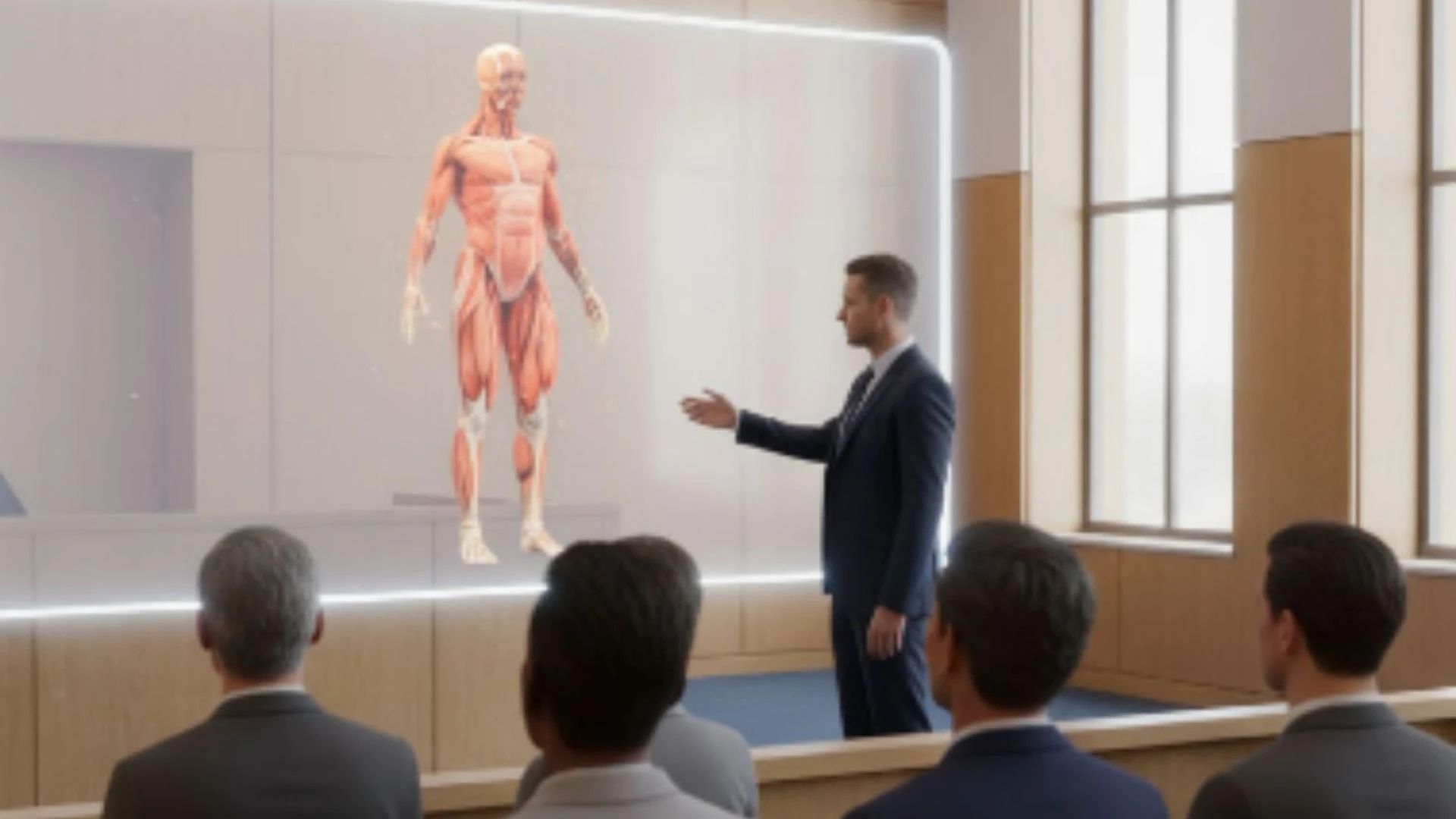
Similarly, in crime scene reconstruction, forensic animation complements physical evidence by showing how events may have unfolded. This level of explanation is especially powerful when expert witnesses are explaining technical findings. A dynamic animation supports their testimony and gives the audience a coherent visual frame of reference.
Key Uses of Forensic Animation
- Accident Reconstruction: Recreating vehicle collisions, pedestrian incidents, and industrial accidents to clarify contributing factors.
- Biomechanical Analysis: Showing how forces acted on bodies during an incident, aiding medical and scientific interpretation.
- Scene Mapping & Simulation: Digitally rebuilding environments to demonstrate sight lines, positions, or timing of events.
- Expert Testimony Support: Empowering experts with visuals that reinforce their verbal explanations.
- Insurance Dispute Resolution: Simplifying complex loss scenarios to support claims evaluation.
Benefits of Forensic Animation in Presentations
- Clarity: Visualisations eliminate ambiguity, making it easier for non-experts to follow evidence.
- Engagement: Juries and judges are naturally more receptive to visual narratives than text-heavy documents.
- Accuracy: Precise modelling reduces misinterpretations of complex physical interactions.
- Time Savings: Legal teams can convey intricate sequences more efficiently than through charts or reports.
Choosing the Right Service Provider
When hiring a forensic animation company, look for experience in legal animation, technical expertise, and a track record of courtroom-ready deliverables. A reputable team collaborates closely with investigators and legal counsel to ensure every element reflects verified facts. They also understand formatting requirements for evidence submission and deliver files that integrate seamlessly with courtroom technology.