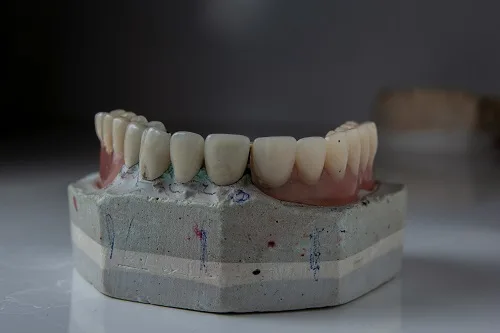
A dental crown restores the strength, function, and appearance of a damaged tooth, allowing you to chew and smile with confidence. Although crowns are made from durable materials such as porcelain, ceramic, zirconia, or metal, they still require proper care, especially during the first few days after placement. Choosing the right foods helps reduce discomfort, protects the crown from unnecessary stress, and supports healthy gums while your mouth adjusts to the restoration after treatment.
Foods to Eat After Getting a Dental Crown
Soft, nutritious foods are the best choice immediately after receiving a dental crown. Yogurt, mashed potatoes, scrambled eggs, oatmeal, soup, cottage cheese, bananas, smoothies, steamed vegetables, and well-cooked pasta are gentle on your teeth while providing essential nutrients. Drinking plenty of water also supports oral health by rinsing away food particles and keeping your mouth hydrated. As sensitivity decreases, you can gradually introduce firmer foods without putting excessive pressure on the newly restored tooth.
Foods to Avoid During Recovery
Certain foods can place unnecessary stress on a new dental crown or cause discomfort while the tooth remains sensitive. Avoid chewing ice, hard candies, popcorn kernels, nuts, sticky caramel, chewing gum, and tough meats during the early healing period. Extremely hot or cold foods may also trigger temporary sensitivity. Limiting sugary snacks and acidic beverages helps protect the surrounding tooth structure and reduces the risk of decay developing around the edges of the crown over time.
Long-Term Eating Habits for Crown Protection
Once your dental crown feels comfortable, maintaining healthy eating habits will help extend its lifespan. Eat a balanced diet rich in fruits, vegetables, lean proteins, whole grains, and dairy products that provide calcium and other important nutrients for strong teeth and gums. Continue avoiding the habit of biting fingernails, opening packages with your teeth, or chewing hard objects. Regular brushing, flossing, and routine dental checkups also play a major role in keeping your crown in excellent condition.
Managing Sensitivity and Eating Comfortably
It is normal to experience mild sensitivity after receiving a dental crown, particularly when consuming hot, cold, or sweet foods. This sensation usually improves within a few days as the tooth settles. Chewing on the opposite side of your mouth initially can make eating more comfortable. If pain becomes severe, your bite feels uneven, or sensitivity continues for an extended period, contact your dentist promptly for an evaluation and any necessary adjustments to ensure lasting comfort.
Restoring Your Smile with Crowns and Bridges
If you have damaged or missing teeth, professional restorative dentistry can help improve both function and appearance. Patients considering dental bridges in Lewisville, TX, often choose them as a dependable solution for replacing one or more missing teeth while restoring a natural-looking smile. Dental bridges work alongside crowns to provide stability, improve chewing ability, and prevent neighboring teeth from shifting. An experienced local dentist can recommend the most suitable treatment plan based on your oral health, lifestyle, and long-term smile goals.