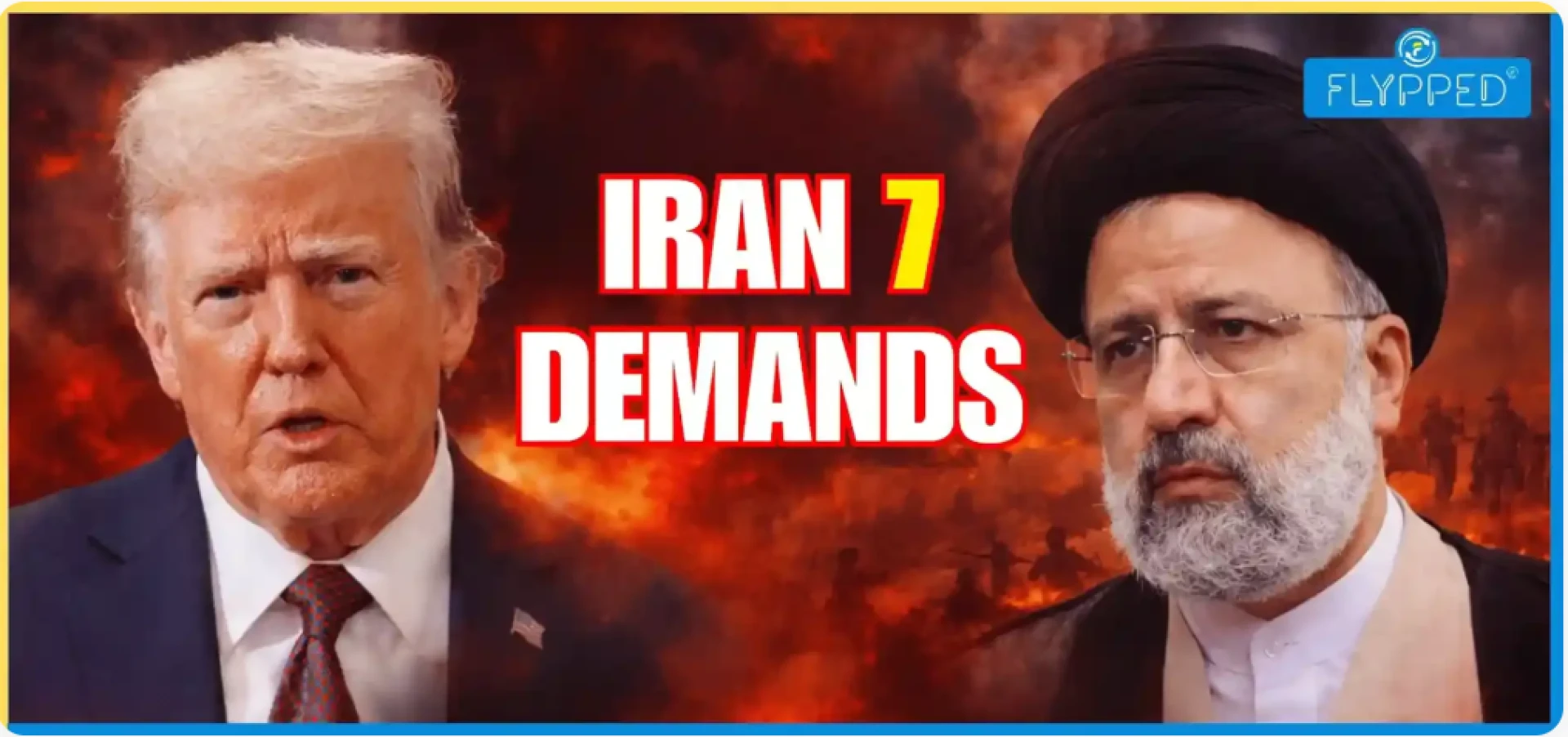
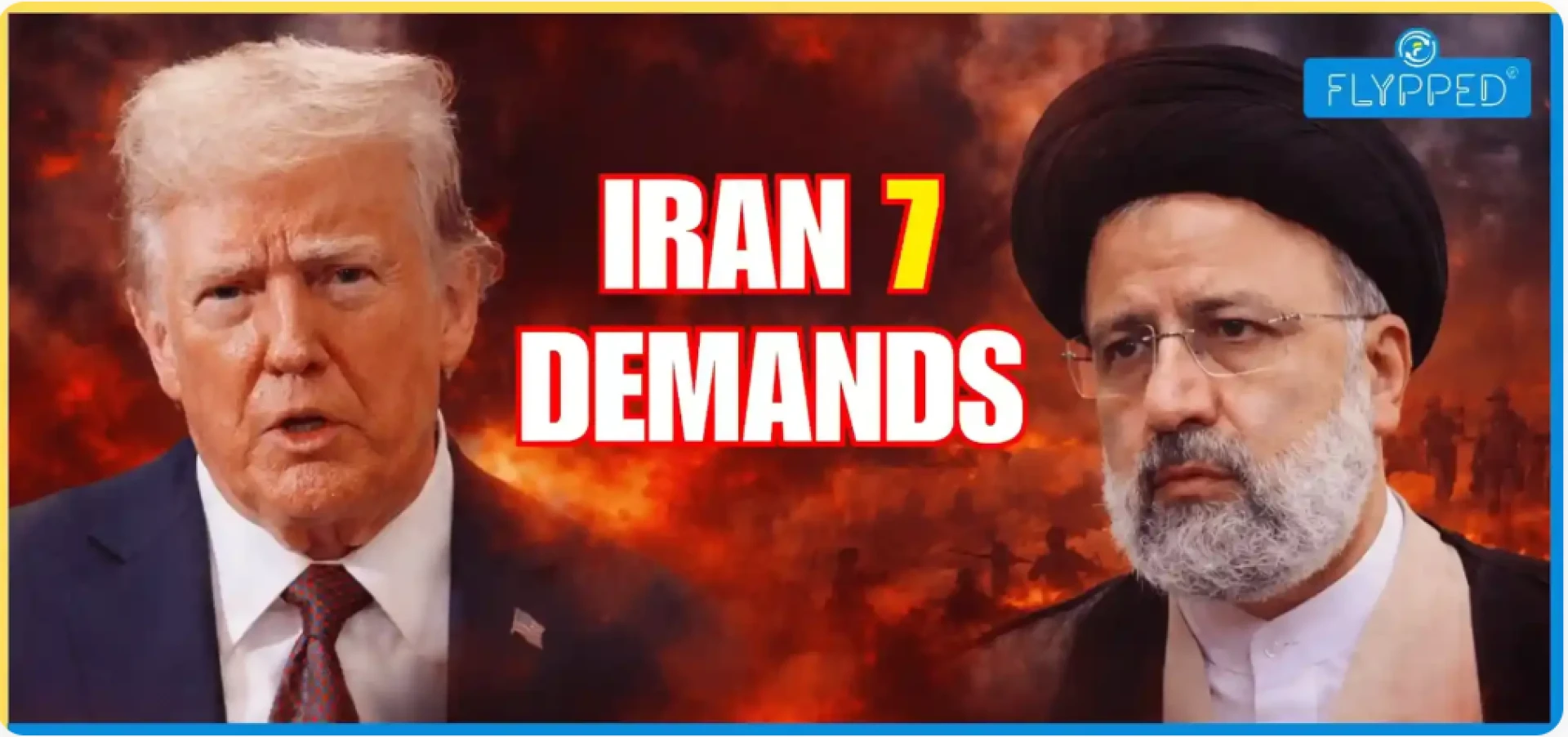
At Flypped, sometimes the best way to understand complex global issues is to imagine how they might unfold. The discussion around iran's 7 demands to end war can feel distant and technical, but when we place it into real-world scenarios, the outcomes become clearer. Let’s explore possible futures through a storytelling lens to better understand what lies ahead.
Scenario 1: A World Moving Toward Peace
Imagine a near future where negotiations succeed.
Diplomatic meetings stretch over weeks, but gradually, both sides begin to find common ground. Small agreements lead to bigger breakthroughs. Economic restrictions begin to ease, and global markets respond positively.
What this world looks like:
- Fuel prices stabilize
- International trade becomes smoother
- Travel and business confidence increase
People begin to feel a sense of relief as uncertainty fades. News headlines shift from conflict to cooperation.
Scenario 2: The Middle Ground Reality
In this version of the future, there is no dramatic breakthrough—but also no collapse.
Talks continue with cautious optimism. Some conditions are accepted, while others remain under discussion. The world adjusts to a “wait and watch” phase.
Everyday impact:
- Markets remain slightly unstable
- Businesses operate carefully
- Governments stay alert but avoid escalation
This scenario reflects a slow, ongoing process rather than a sudden resolution.
Scenario 3: Rising Tensions Again
Now imagine a different outcome—negotiations fail.
Disagreements grow stronger, and communication breaks down. Statements become more aggressive, and global concern rises quickly.
What follows:
- Sharp increases in fuel prices
- Uncertainty in financial markets
- Increased global political tension
In this world, fear replaces optimism, and decisions become more reactive.
The Role of Global Strategies in These Scenarios
Frameworks like the trump 15-point iran plan influence how these futures might unfold.
In a peaceful scenario:
- Policies may be softened or adjusted
In a middle-ground scenario:
- Some elements remain in place
In a tension scenario:
- Stricter enforcement could return
These strategies act as guiding frameworks behind the scenes.
How People Experience These Futures
No matter the scenario, the real impact is always human.
In a positive outcome:
- Stability brings confidence
- Opportunities begin to grow
In an uncertain phase:
- People remain cautious
- Planning becomes difficult
In a negative outcome:
- Anxiety increases
- Daily life becomes unpredictable
This shows how global decisions shape personal realities.
Signals That Indicate Which Scenario Is Coming
Certain signs can help predict which direction things are heading.
Watch for:
- Tone of official statements
- Frequency of diplomatic meetings
- Economic policy changes
- Market reactions
These indicators provide clues about the future.
Why Scenario Thinking Matters
Looking at iran's 7 demands to end war through scenarios helps simplify complexity.
It allows us to:
- Visualize possible outcomes
- Prepare for different situations
- Understand risks and opportunities
At Flypped, we believe this approach makes global issues more relatable and easier to understand.
Conclusion
The future of iran's 7 demands to end war is not fixed—it can move in different directions depending on decisions made today. Whether the world moves toward stability, uncertainty, or tension will depend on diplomacy, strategy, and cooperation.
By imagining these scenarios, we gain a clearer perspective on what’s at stake and why it matters. Flypped remains committed to bringing you insights that go beyond facts and help you truly understand global developments.
FAQs
1. Why use scenario storytelling for global issues?
It helps simplify complex topics and makes possible outcomes easier to understand.
2. What is the most likely scenario?
A middle-ground outcome is often the most realistic in complex negotiations.
3. How does the trump 15-point iran plan affect these scenarios?
It influences how strict or flexible policies may be in different outcomes.