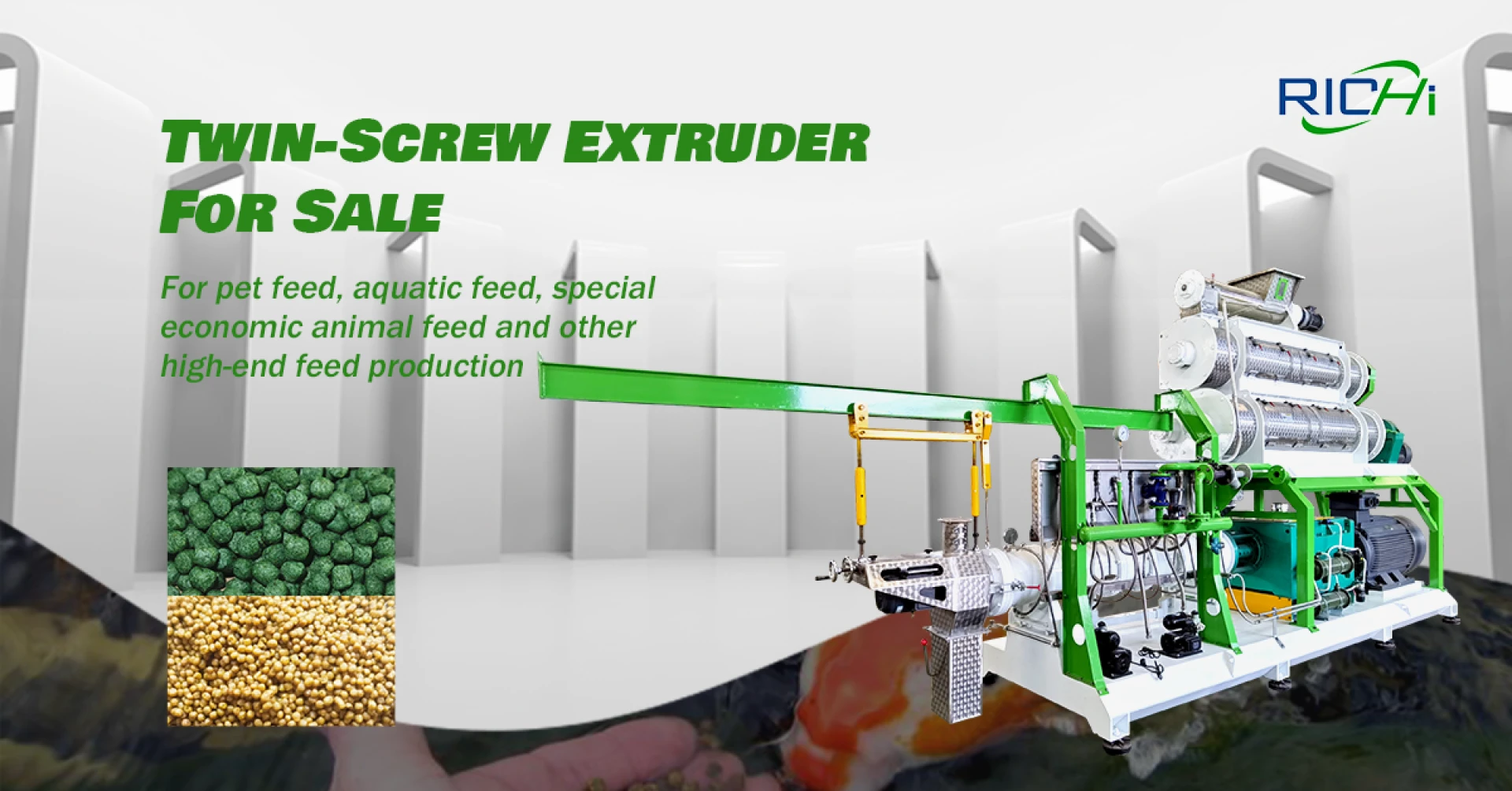
Tank farming has turned into one of the fastest-growing markets in the global food manufacturing industry, driven by the enhancing need for fish healthy protein and the climbing pressure on wild fish resources. As fish farming remains to scale up worldwide, the need for high-quality, nutritionally balanced, and successfully manufactured fish feed is extra immediate than ever before. At the heart of modern-day tank farming feed production lies the fish feed production line-- a total system that changes raw materials right into standardized feed pellets optimized for aquatic pet development.
In this article, we will explore the key components, benefits, and applications of a fish feed production line, and exactly how it contributes to both sustainability and productivity in the tank farming industry.
What is a Fish Feed Production Line?
A fish feed assembly line is an incorporated collection of makers created to create fish feed pellets on a continuous and computerized basis. These pellets can be either drifting, sinking, or slow-sinking, relying on the farming technique and species being increased. The line can be semi-automatic or totally automatic, depending upon production range and budget plan.
A total fish feed production line typically consists of the following stages:
1 、 Raw Material Crushing-- Lowers size of active ingredients like soybean meal, corn, fish dish, wheat bran, etc 2 、 Batching & Mixing-- Makes certain even distribution of nutrients and components in feed formulation.
3 、 Conditioning-- Prepares the mixed feed by heating and moistening for less complicated extrusion.
4 、 Pelletizing or Extrusion-- Shapes and cooks the feed into drifting or sinking pellets.
5 、 Drying-- Eliminates excess moisture to boost shelf life.
6 、 Cooling-- Protects against pellet breakage and enhances resilience.
7 、 Flavoring & Oil Spraying-- Adds attractants and important oils for palatability and nourishment.
8 、 Screening & Packaging-- Final inspection before automatic bagging and storage.
Why is a Fish Feed Production Line Necessary?
In standard aquaculture systems, feed was commonly made manually or sourced externally. Nevertheless, with the advancement of feed technology and enhanced stress to enhance prices and performance, even more fish farmers and feed producers are turning to automated fish feed lines.
Here are the essential advantages:
1. Enhanced Feed Quality and Consistency
Automated systems make certain that each batch of pellets is consistently mixed, prepared, and formed. This results in:
Better pellet toughness and water stability
Enhanced nutrient retention
Lowered feed conversion ratio (FCR).
2. Versatile Pellet Kind.
Whether you're farming meat-eating species like trout or omnivores like tilapia, the fish feed line can be adjusted to create floating or sinking pellets with various sizes and thickness, ensuring ideal feeding behavior.
3. Price Performance and Scalability.
By creating feed in-house, ranches reduce dependence on third-party distributors. Furthermore, the energy-efficient style and lowered labor input lead to long-lasting savings.
4. Ecological Sustainability.
Accuracy feeding indicates much less waste in the water. Controlled processing decreases overfeeding and contamination, adding to cleaner fish pond and cage environments. https://richipelletizer.com/fish-feed-manufacturing-plant/
Technical Functions of a Modern Fish Feed Assembly Line.
A high-performance assembly line is greater than simply equipments-- it's an incorporated solution incorporating technicians, electronics, and automation. Leading producers like RICHI Equipment deal:.
1 、 Stainless steel extruder barrels and conditioners to stop corrosion.
2 、 Touchscreen PLC control panels for simple procedure.
3 、 Screw conveyors and pneumatic systems for dust-free material handling.
4 、 Energy-saving electric motors that minimize functional costs.
5 、 Modular design, permitting easy upgrade from 1-2T/ H to 10-20T/ H capability.
Raw Materials Made Use Of in Fish Feed Processing.
Fish feed formulas vary by varieties and production goals. Usual active ingredients include:.
1 、 Corn, wheat, rice bran (carbohydrate resources).
2 、 Soybean meal, cottonseed meal, fish dish (protein resources).
3 、 Fish oil, vegetable oil (lipid sources).
4 、 Vitamin and mineral premixes.
5 、 Additives: enzymes, probiotics, attractants, and so on.
With the help of accuracy batching and blending systems, all these ingredients are formulated based on clinical nourishment criteria to guarantee optimal fish growth and feed performance.
That Needs a Fish Feed Production Line?
This system is suitable for:.
1 、 Tank farming feed mills wanting to scale up manufacturing.
2 、 Commercial fish ranches wishing to generate tailored feed in-house.
3 、 Government-supported agricultural programs advertising regional feed manufacturing.
4 、 Animal feed manufacturing companies broadening into aquafeed.
Despite the scale, RICHI Machinery can customize layout style, tools setup, and automation level to fit certain task needs. Check this site out
Worldwide Applications and Task Situations.
RICHI has actually supplied fish feed production lines to over 50 nations, including:.
1 、 A 5T/H fish feed plant in Indonesia, offering tilapia and catfish ranches.
2 、 A 10T/H commercial aquafeed project in Nigeria, generating both fish and shrimp feed.
3 、 A drifting fish feed line in Bangladesh, with automated bagging and mass storage space system.
These jobs demonstrate the adaptability and flexibility of our equipment across different settings, feed types, and manufacturing objectives.
Why Choose RICHI Machinery?
As a leading supplier in feed machinery, RICHI offers:.
1 、 Complete task solutions: From layout, tools supply, to installation and training.
2 、 Years of knowledge in aquafeed processing.
3 、 Worldwide after-sales service and extra components sustain.
4 、 CE, ISO, SGS accreditations for quality assurance.
Our engineers prepare to give a total fish feed line layout based upon your site and budget plan.
Final thought: Investing in the Future of Aquaculture.
A fish feed assembly line is no more a high-end-- it is a need for modern-day tank farming organizations that focus on price control, feed high quality, and ecological obligation. As feed stays the largest functional price in fish farming, having direct control over its production opens new chances for advancement and competitiveness.
Whether you're getting in the fish farming industry or scaling up an existing operation, a tailored fish feed line from RICHI Machinery will certainly equip your business to grow in a fast-growing, high-demand market. Fish Feed Production Line In Uzbekistan