Fire safety is one of the most important responsibilities for any business. Whether you operate a retail shop, office, warehouse, restaurant or industrial facility, a fire can have devastating consequences for employees, customers, property and business operations. Beyond the immediate damage, a serious incident can lead to costly repairs, lost revenue and prolonged disruption.
While preventing fires wherever possible is essential, businesses must also be prepared to respond quickly if one occurs. This is where appropriate fire detection, alarm systems and emergency equipment play a vital role. Combined with regular maintenance, staff training and effective procedures, the right fire safety measures can help protect lives, limit damage and create a safer working environment.
Why Fire Prevention Should Be Every Business's Priority
Fires can start for many reasons, including electrical faults, cooking equipment, overheating machinery, unsafe storage of combustible materials and human error. Although not every incident can be prevented, understanding the risks within your premises is the first step towards reducing the likelihood of a fire.
Businesses should begin by assessing their activities, equipment, layout and the people who use the building. A restaurant, for example, may face particular risks associated with cooking equipment and extraction systems, while a warehouse may need to consider combustible stock, charging equipment and the storage of materials.
Regular fire risk assessments help identify potential hazards, evaluate who could be affected and establish appropriate control measures. In England and Wales, the responsible person for most non-domestic premises must ensure that a suitable and sufficient fire risk assessment is carried out and reviewed when necessary.
Prevention also involves maintaining electrical equipment, keeping escape routes clear, storing flammable materials appropriately and ensuring that staff understand safe working practices. These measures provide an important foundation for any fire safety strategy.
The Importance Of Reliable Fire Detection And Alarm Systems
Even with effective prevention measures, businesses need to be prepared for the possibility of a fire. Early detection is critical because it can provide occupants with valuable time to respond, raise the alarm and evacuate the building.
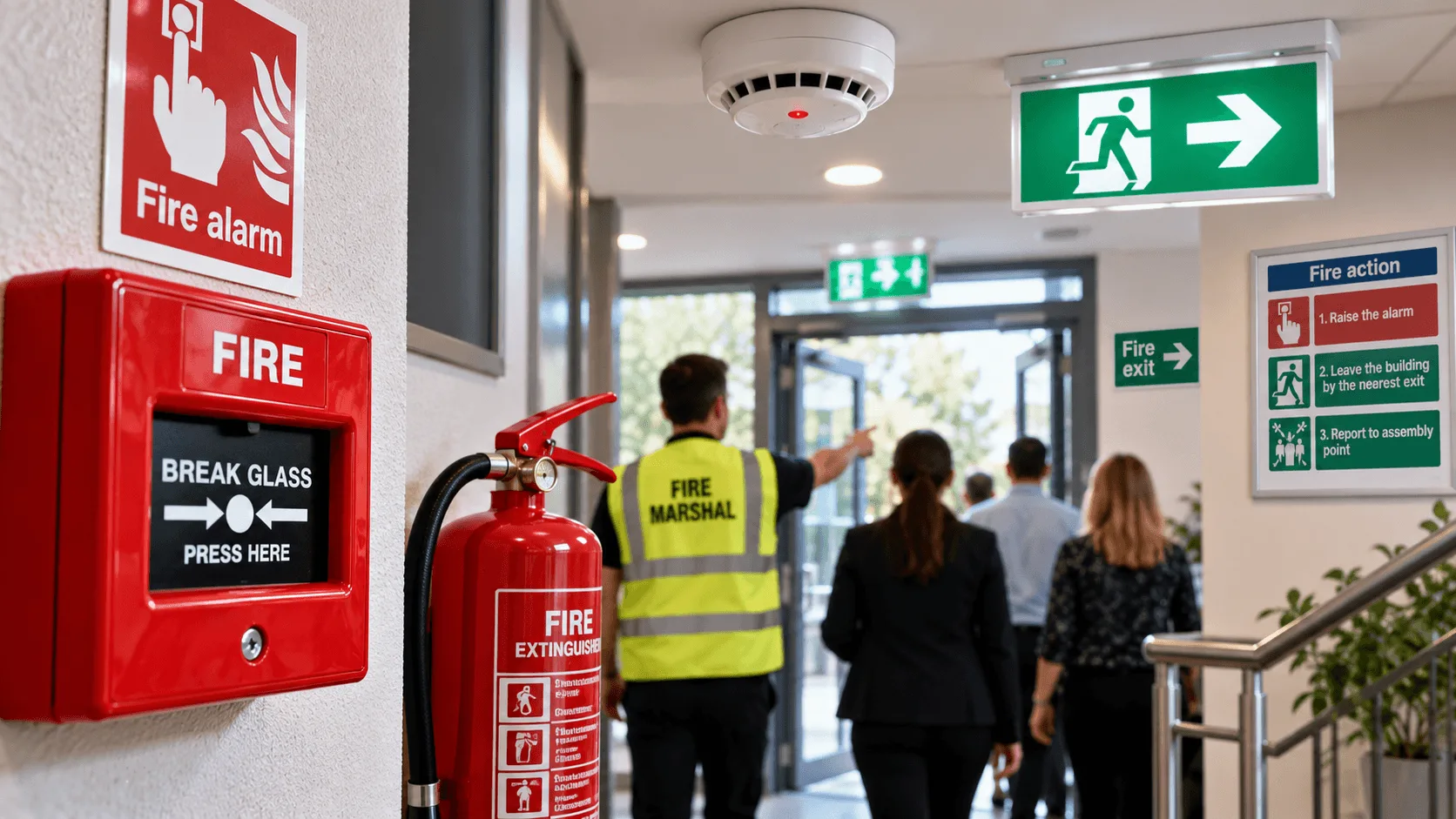
A suitable fire detection and alarm system can identify signs of fire and alert people within the premises. Depending on the building and its risks, this may involve manual call points, smoke detectors, heat detectors and audible or visual alarm devices.
The correct system depends on factors such as the size and layout of the premises, the activities taking place and the needs of the people who may be inside. A small office will have different requirements from a large warehouse or multi-storey commercial building, so a tailored assessment is essential.
Professional installation helps ensure that equipment is appropriately positioned, configured and tested. However, installing a system is only the beginning. Regular testing, planned maintenance and prompt attention to faults are necessary to help ensure that the system remains dependable when it is needed most.
Emergency Lighting And Safe Escape Routes
When a fire occurs, smoke, damage or a power failure can make it difficult for people to find their way out of a building. Emergency lighting and clearly identified escape routes can help occupants evacuate safely when normal lighting is unavailable.
Emergency lighting is particularly important in premises with corridors, stairwells, changes in floor level or limited natural light. It should be suitable for the building's layout and maintained in accordance with relevant requirements.
Businesses should also ensure that fire exits are accessible, escape routes remain unobstructed and fire safety signs are visible. Doors and routes intended for escape must be managed appropriately so that people can leave without unnecessary delay.
These arrangements should form part of a wider emergency plan. Staff need to understand how to raise the alarm, which exits to use, where to assemble and how to report anyone who may still be inside. Regular training and suitable drills can help employees respond more confidently during an emergency.
Why Regular Maintenance And Testing Matter
Fire safety equipment cannot be relied upon if it is faulty, damaged or poorly maintained. Routine checks help identify problems before they compromise the safety of the premises. Businesses should establish a suitable schedule for testing alarms, checking emergency lighting and arranging servicing by competent professionals. The frequency and nature of checks will depend on the equipment, the building and applicable guidance or standards.
It is also important to keep accurate records of inspections, tests, faults and remedial work. These records help demonstrate that fire safety arrangements are being managed and make it easier to identify recurring issues.
If a fault is discovered, it should be addressed promptly. Where an essential safety system becomes unavailable, the responsible person should assess the increased risk and arrange appropriate temporary precautions until the system is restored.
Working with a qualified fire safety provider can help businesses understand their equipment, maintain suitable servicing arrangements and plan for future changes to their premises.
Staff Training Is Just As Important As Equipment
Even the most advanced fire alarm system cannot replace informed staff and effective emergency procedures. Employees should understand the fire risks relevant to their roles and know what to do if an alarm sounds or a fire is discovered.
Training should cover evacuation procedures, escape routes, assembly points and the process for raising concerns about hazards. Staff should also know how to report damaged equipment, blocked exits or other issues that could affect fire safety.
Fire drills can help identify practical problems, such as confusion about evacuation routes or difficulties accounting for visitors. Businesses should review the results and update procedures where necessary.
Any arrangements must also consider people who may need additional assistance to evacuate, including visitors and employees with mobility or other accessibility requirements. Planning for different needs helps make emergency procedures more effective and inclusive.
Build A Fire Safety Strategy That Protects Your Business
Effective fire safety depends on several measures working together. Prevention reduces avoidable risks, detection systems provide early warnings, emergency lighting supports safe evacuation, and regular maintenance helps keep equipment reliable. Staff training and clear procedures ensure that people understand how to respond.
For business owners and managers, the first step is to review existing arrangements and identify any gaps. Consider whether your fire risk assessment is up to date, your alarm system remains appropriate, your emergency lighting is maintained and your employees understand the evacuation procedure. Where necessary, seek advice from competent fire safety professionals who can assess your premises and recommend suitable improvements.
Ultimately, fire safety is not simply about installing equipment; it is about creating a reliable system of prevention, protection and preparedness. By taking a proactive approach, businesses can help safeguard their people, protect their property and reduce the risk of serious disruption when the unexpected happens.