If you run a logistics business or manage daily deliveries in Morocco, you know that the job isn’t just about driving. It’s about navigating a landscape that changes constantly. One minute you are cruising down a wide motorway, and the next, you are squeezing through the tight, bustling streets of a city centre or tackling rougher, unpaved routes on the outskirts. It takes a specific kind of machine to handle that variety without complaining.
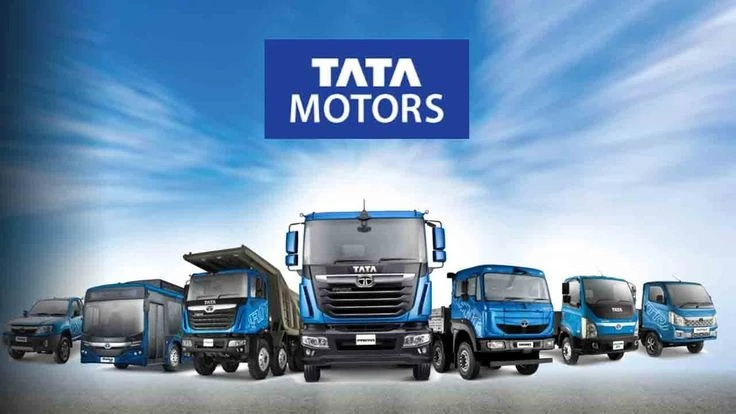
When you are in the market for a new workhorse, it is easy to get bogged down in flashy advertising. However, the real value lies in the engineering philosophy behind the metal. For instance, global manufacturers like Tata Motors have spent decades refining their commercial ranges to suit developing infrastructure, focusing on durability rather than just aesthetics.
The Payload vs. Agility Dilemma
The biggest headache for many business owners is finding the middle ground between carrying capacity and manoeuvrability. A massive truck can haul everything in one go but can’t park for a delivery in a crowded souk. A small van fits everywhere but requires three trips to do the work of one.
The sweet spot usually sits around the 1-tonne payload mark. This capacity allows for significant hauling, whether it’s construction materials, FMCG products, or agricultural produce, without making the vehicle too cumbersome to handle. When looking at specifications, pay close attention to the load body length. A length of over 2.6 metres is generally ideal, as it accommodates standard items and pallets without awkward overhangs.
Driver Comfort and Efficiency
For a long time, the driver’s experience was an afterthought in the commercial sector. Thankfully, that is changing. If a driver is fatigued, safety drops and efficiency plummets. Modern small commercial vehicles (SCVs) are now incorporating features that were once reserved for passenger cars.
Power steering is essential for navigating tight turns without straining your arms. Air conditioning makes a massive difference during the hot summer months, and practical additions like mobile charging points ensure the driver stays connected.
A prime example of this balance between rugged utility and driver-centric design is the Tata Motors Super Ace, which combines that critical 1-tonne payload with a cabin designed for long shifts. It illustrates how modern engineering can deliver a top speed of 140 kmph, enabling quick inter-city turnaround without sacrificing the torque needed for heavy lifting.
Conclusion
Ultimately, the best vehicle for your business is the one you don't have to worry about. It should start every morning, carry what it needs to, and not cost a fortune in maintenance. By focusing on the fundamentals, chassis strength, payload capacity, and driver comfort, you can find a partner that supports your business growth rather than hindering it. It is about working smarter, not just harder.