
# Finding a Smog Check Station When You Live in the Middle of Nowhere City drivers take smog stations for granted: three within ten minutes, open Saturday. Rural drivers have a different reality, the nearest station might be 40 minutes away, open weekdays only, and the STAR-certified station your notice requires might be a county over. None of this changes your legal deadline. This guide covers how rural and remote California drivers find stations, plan the trip, and use the state's own data to avoid a wasted drive. The starting point is always a station locator, a directory like vehicle inspection or the BAR's own station search; the rural skill is in how you use them before you drive. ## Step one: know exactly what class of station you need Rural drivers can't afford to drive to the wrong class of station, so sort this out at home: - **Regular notice**: any licensed smog station works. - **STAR-required notice** (directed vehicles, high-emitter-profile cars, gross polluters): STAR-certified stations only, a subset, and in rural counties a small subset. The BAR search filters for STAR certification; use it before anything else. - **Test-only vs test-and-repair**: in low-density areas you may only have one option; if you already suspect a fail (check engine light on), a test-and-repair station saves a second trip, test-only saves you the pitch, choose per your situation. ## Step two: use the state's data, not just the map pin The BAR's public station search shows more than location: certification types, and contact details. Before committing to a drive: 1. **Call ahead.** Rural stations keep shorter hours, close for lunch, and some run appointments-only despite walking-in fine on paper. A two-minute call beats a 90-minute round trip to a closed shop. Confirm: open now/today, STAR if needed, current price, and wait time. 2. **Ask about older-car capability** if your vehicle is 1999 or older: dynamometer-based testing needs equipment some stations have retired. Rural stations are often better at old cars than city shops, but verify. 3. **Check the free-retest policy** before you test: if the worst happens and you fail, you'll want the retest at the same station (free retest window) rather than burning another tank of gas across the county. ## The rural planning checklist - **Batch the trip.** Smog check plus DMV-adjacent errands, parts store, Costco run, whatever your county hub offers. Rural logistics is trip economics. - **Time the deadline.** Your registration due date is fixed; plan the smog trip two to three weeks early so a failure, a repair, or a station closure doesn't cascade into late penalties. Rural repair loops are slower (parts, one shop in town, or the next town over). - **Pre-check the car** more carefully than a city driver would: warm-up drive before the trip (you're driving anyway, that's convenient), check-engine light addressed, monitors complete. A marginal fail that a city driver retries tomorrow costs you a week. - **Know your hardship and CAP options** before you go: BAR's Consumer Assistance Program (repair help or vehicle retirement for income-eligible drivers) exists statewide, and rural low-income drivers are exactly who it's for. Applications precede repairs. ## The mobile and special cases - **Some areas have mobile smog services** (technicians who come to you with the testing equipment). Availability varies by county; a search for mobile smog check plus your area, or asking in local community groups, surfaces them where they exist. For remote homesteads this can be cheaper than the round trips. - **Registered out of the area?** If the vehicle's garaged in a different county than its registration address, the test location still just needs to be a licensed California station, but update your address with the DMV properly; mismatches create renewal confusion. - **Out-of-state temporarily** (military, students, work assignments): California has registration exemptions and extensions for specific out-of-state situations, handled with DMV paperwork before your deadline, not after. ## If the nearest station is genuinely far A few real-world strategies: 1. **Plan around trips you already make** (work commute, monthly shopping run) rather than making dedicated smog journeys. 2. **Coordinate with neighbors**: in small communities, the station's busy season is predictable (registration renewal clusters). Going mid-week, mid-month spreads the load, and the station can tell you their quiet days when you call. 3. **Never let the deadline find you un-tested**: the late penalties stack whether the nearest station is 5 or 55 minutes away. Calendar the smog trip the day the renewal notice arrives, for three weeks ahead. ## Conclusion Rural smog checks are a logistics problem solved with information: filter stations by the certification class your notice requires, call before driving, batch the trip with other errands, test early to absorb a possible repair loop, and know CAP exists for the expensive scenarios. The rules are the same everywhere in California; the planning just matters more where the nearest station is a commitment. ## FAQ **How do I find a STAR smog station in a rural area?** Use the BAR's station search or a directory filtered to STAR certification, then call before driving: rural STAR stations are few, hours are shorter, and confirming they're open, equipped for your vehicle, and current on pricing saves a wasted trip. **What if I fail smog and the repair shop is far away?** This is why rural drivers test early, two to three weeks before the deadline, so the diagnose-repair-retest loop (and its free retest at the original station) fits. Income-eligible drivers can apply to BAR's Consumer Assistance Program before repairs for financial help or vehicle retirement. **Can someone else take my car for its smog check?** Yes. The test attaches to the vehicle, not the owner. Send the car with a family member or neighbor already making the trip, along with the registration notice and any required documentation, another quiet advantage of batching in low-density areas.
More in Automotive
Automotive
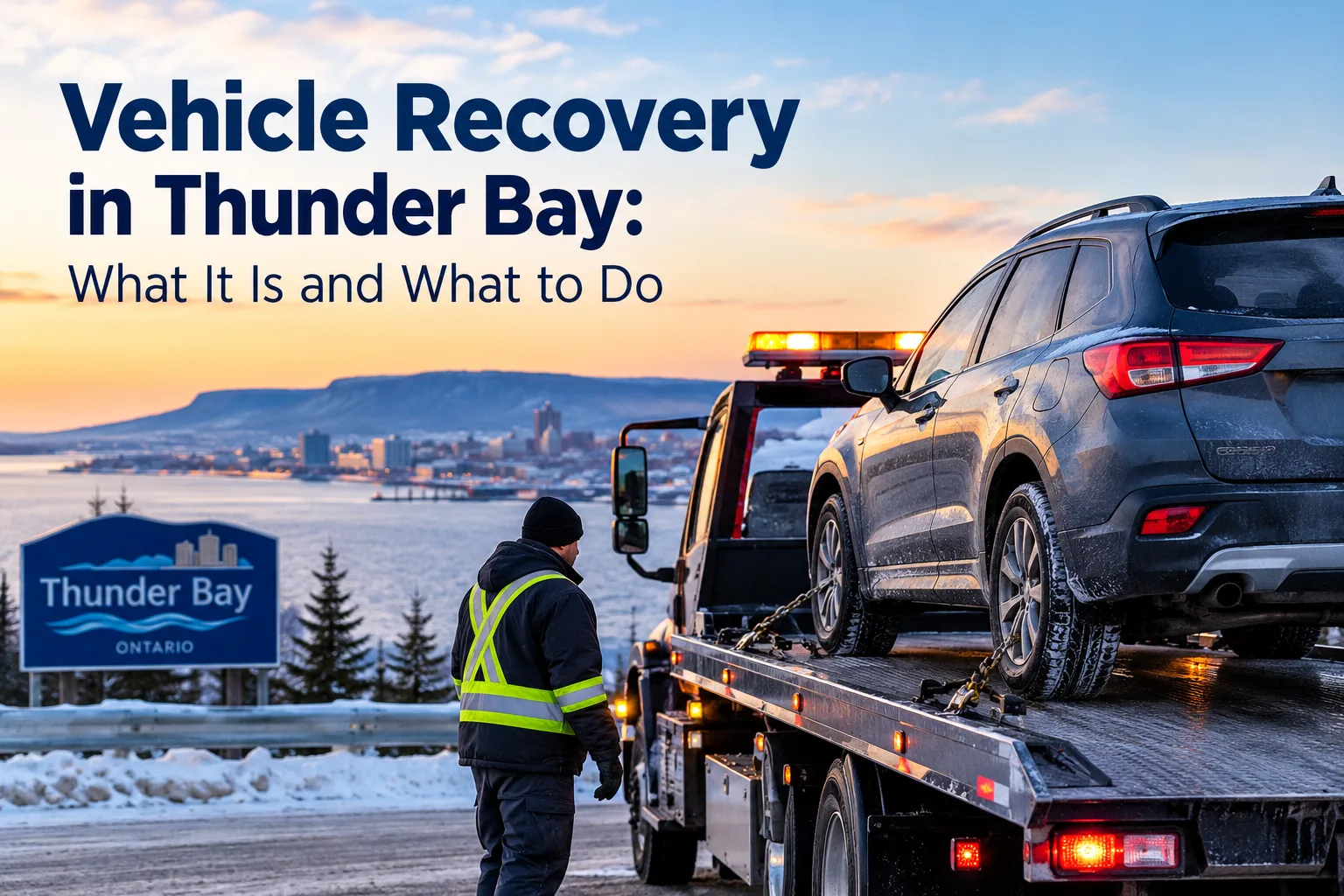
Vehicle Recovery in Thunder Bay: What It Is and What to Do
Sometimes a vehicle ends up in a place where it cannot move on its own. It might be stuck in deep snow, slid into a ditc
Automotive
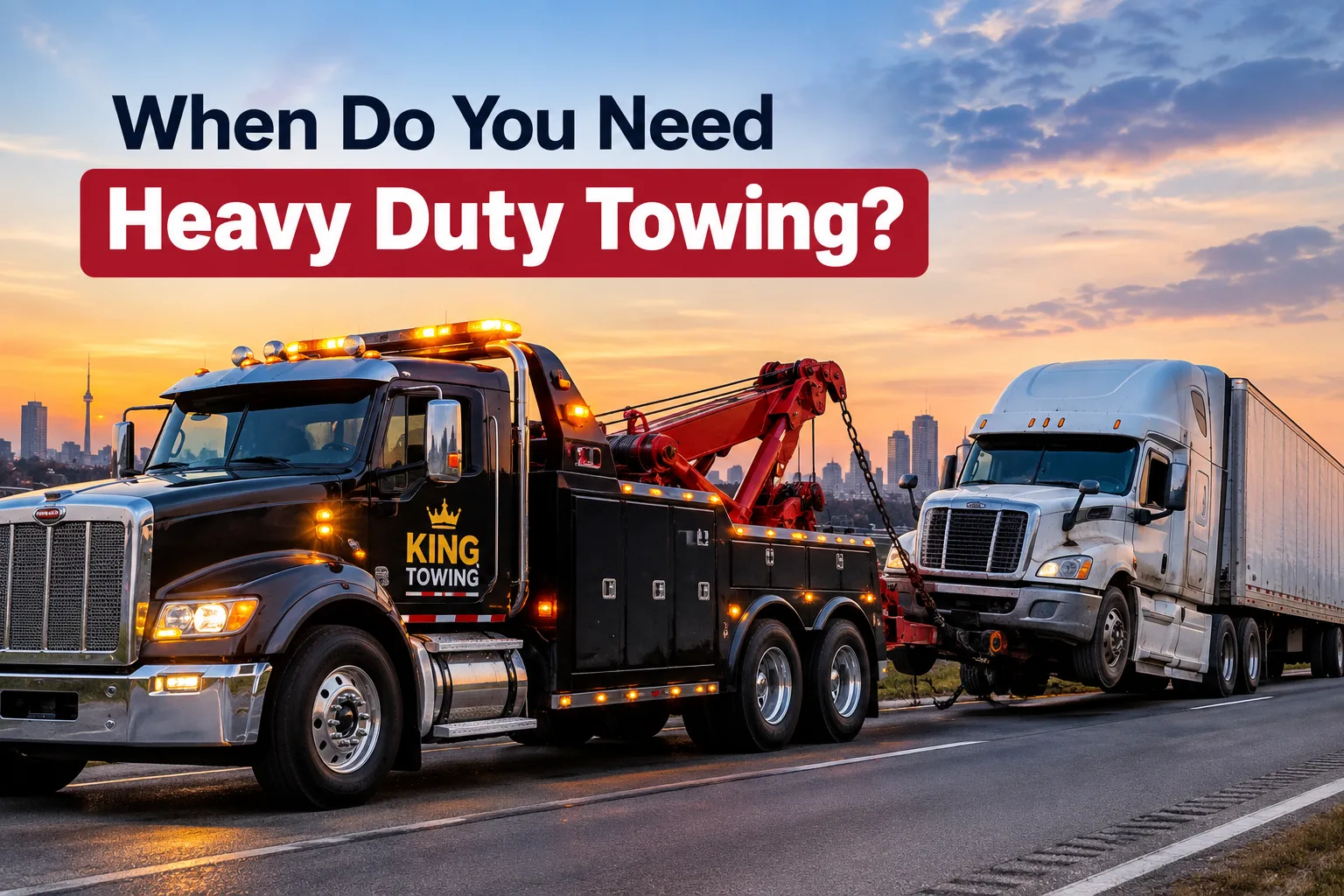
When Do You Need Heavy Duty Towing?
A flat tire on a car is a small problem. A flat tire on a loaded transport truck is a very different story. Large vehicl
Automotive
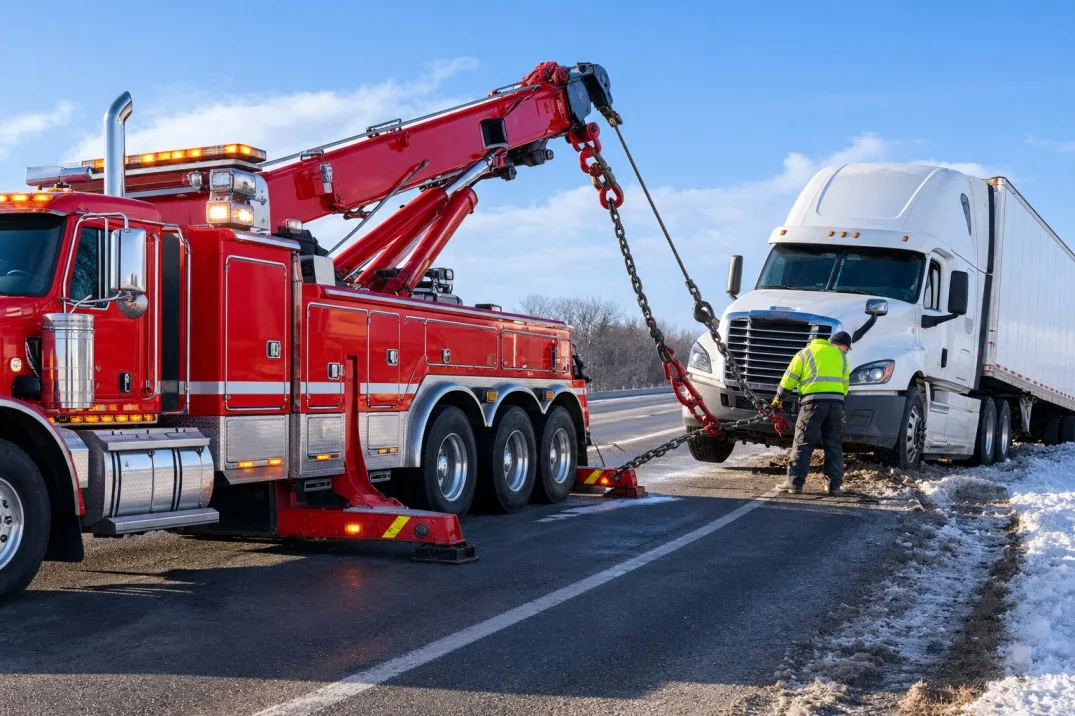
Keeping Mississauga Moving: How Professional Towing Contributes to Road Safety and Community
In communities like Mississauga, the smooth flow of traffic isn't just about convenience, it's about safety, economic st