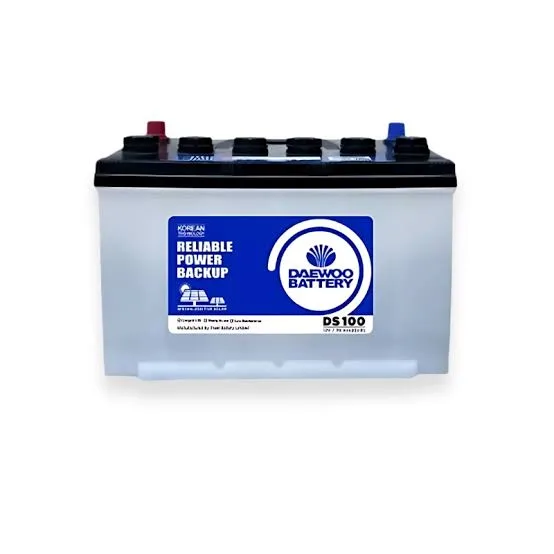
Choosing a battery for your home, office, UPS, or solar system is not simply about finding the lowest price. A good battery needs to match your power requirements, backup expectations, and daily usage. This is why many people compare the 100 ampere battery price in Pakistan before making a purchase.
A 100 ampere hour battery is a popular choice for backup systems because it offers a useful balance between capacity, size, and cost. It can support common household appliances during power interruptions when it is correctly matched with a suitable UPS or inverter. However, different batteries can have different designs, warranties, and performance levels even when they have a similar capacity.
Understanding a 100 Ampere Battery
When people search for a 100 ampere battery, they usually mean a battery with a capacity of around 100 ampere hours. The ampere hour rating tells you how much electrical charge a battery can store under specified conditions. It is one of the most important specifications to consider when comparing batteries.
Battery performance also depends on the technology used inside the unit. A battery designed for regular deep discharge can be more suitable for UPS and solar applications than a battery designed mainly for starting a vehicle. The U.S. Department of Energy explains that rechargeable batteries store energy chemically and release it as electrical energy when connected to a circuit.
For buyers who want to compare different capacities, the [Daewoo UPS and Solar Battery collection]Daewoo UPS and Solar Battery collection offers several options for different backup requirements.
100 Ampere Battery Price in Pakistan
The 100 ampere battery price in Pakistan can vary according to battery type, technology, warranty, brand, and intended use. Current Daewoo listings show that the DIB 135 is a 100 Ah UPS and solar battery priced at PKR 30,326, while the DSS 140 is another 100 Ah option listed at PKR 27,848.
These prices should be treated as current listed prices rather than permanent market rates. Battery prices can change because of manufacturing costs, raw material prices, exchange rates, transportation expenses, and market demand. Therefore, it is always sensible to check the latest price before placing an order.
The type of battery also matters. A deep cycle battery is designed for repeated charging and discharging, making this type useful for applications where backup power is required regularly. The [Daewoo Deep Cycle Battery collection]Daewoo Deep Cycle Battery collection includes several capacity options for UPS and solar systems.
Choosing the Right Battery for UPS Use
A battery should always be selected according to the load connected to the UPS. A home using a few lights, fans, and a router will have different requirements from a home running several appliances at the same time.
Before buying a battery, calculate the approximate power consumption of the appliances you want to operate during an outage. You should also consider how long you expect the backup to last. A higher capacity battery can store more energy, but the actual backup time depends on the connected load, battery condition, inverter efficiency, and other factors.
A 100 Ah battery can be a practical option for many smaller backup systems. However, it is important not to assume that every household will receive the same backup time. The actual result depends heavily on how much electricity the connected appliances consume.
Why Battery Quality Matters
Price is important, but it should not be the only factor in your decision. A battery is expected to work reliably whenever the main electricity supply is unavailable. Choosing a poorly matched or low quality battery may result in shorter backup, frequent replacement, or disappointing performance.
A reliable battery should have clear specifications and a suitable warranty. Buyers should check the capacity, dimensions, warranty period, intended application, and installation requirements before making a decision.
The [Daewoo complete battery collection]Daewoo complete battery collection provides different battery options for automotive, UPS, and solar applications. This makes it easier to compare products according to their intended purpose.
Batteries for Solar Energy Systems
Batteries are also becoming increasingly important for solar energy systems. Solar panels produce electricity when sunlight is available, while battery storage can help make stored energy available when generation is lower. The Department of Energy explains that energy storage can capture electricity when supply is available and release it when demand increases.
For a solar setup, the battery should be selected according to the size of the solar system, expected load, charging method, and desired backup period. Deep cycle batteries are commonly considered for applications that require repeated charging and discharging.
A suitable battery can help make a solar system more useful during evening hours and power interruptions. However, correct system design is important because the battery, inverter, solar panels, and electrical load need to work together.
How to Get Better Battery Performance
Taking care of a battery can help you get better performance from your investment. Always follow the manufacturer's installation and usage instructions. The battery should be installed in a suitable location with proper ventilation and protection from unnecessary heat.
Avoid connecting loads that are higher than the recommended capacity of the UPS or battery system. Regularly check the overall system for unusual heating, damage, or other warning signs. If the battery is not maintenance free, follow the manufacturer's instructions for maintenance.
It is also important to replace an old battery when its performance drops significantly. Continuing to use a severely weakened battery can lead to poor backup and may place additional stress on the backup system.
Safe and Responsible Battery Disposal
Old batteries should never simply be thrown into regular household waste. Lead acid batteries can contain lead and corrosive sulfuric acid, which require responsible handling. The U.S. Department of Energy recommends returning lead acid batteries to battery retailers or appropriate collection programs rather than placing them in regular trash.
Responsible recycling also allows useful battery materials to be recovered. The U.S. Environmental Protection Agency highlights the established collection and recycling network for lead acid batteries.
If you are replacing an old battery, ask your battery supplier about available return or recycling options. This is a simple step that can help reduce environmental risks.
Conclusion
Finding the right battery requires more than comparing numbers on a price list. The 100 ampere battery price in Pakistan can vary depending on capacity, battery technology, warranty, and intended application. A 100 Ah battery can be a practical choice for many UPS and solar systems, but the correct option depends on your actual electricity requirements.
Before buying, compare specifications, check the intended use, consider the warranty, and calculate your expected load. Current Daewoo options include 100 Ah batteries designed for UPS and solar applications, giving buyers different choices based on their budget and performance requirements.
A thoughtful purchase can provide dependable backup while avoiding unnecessary costs. Instead of choosing only by price, focus on capacity, application, quality, and long term value.
Frequently Asked Questions
1. What is the 100 ampere battery price in Pakistan?
Current listed prices for 100 Ah Daewoo UPS and solar batteries include PKR 27,848 and PKR 30,326, depending on the model.
2. Is a 100 Ah battery good for a UPS?
Yes, a 100 Ah battery can be suitable for many home UPS systems when the battery capacity matches the connected electrical load.
3. Can a 100 Ah battery work with solar panels?
Yes, 100 Ah batteries can be used in suitable solar backup systems when the battery, inverter, solar panels, and load are correctly matched.
4. What should I check before buying a battery?
Check the capacity, battery type, intended application, warranty, dimensions, and compatibility with your UPS or solar system.
5. How should an old battery be disposed of?
Old lead acid batteries should be returned to an appropriate battery retailer, collection point, or recycling facility instead of being placed in regular household waste.