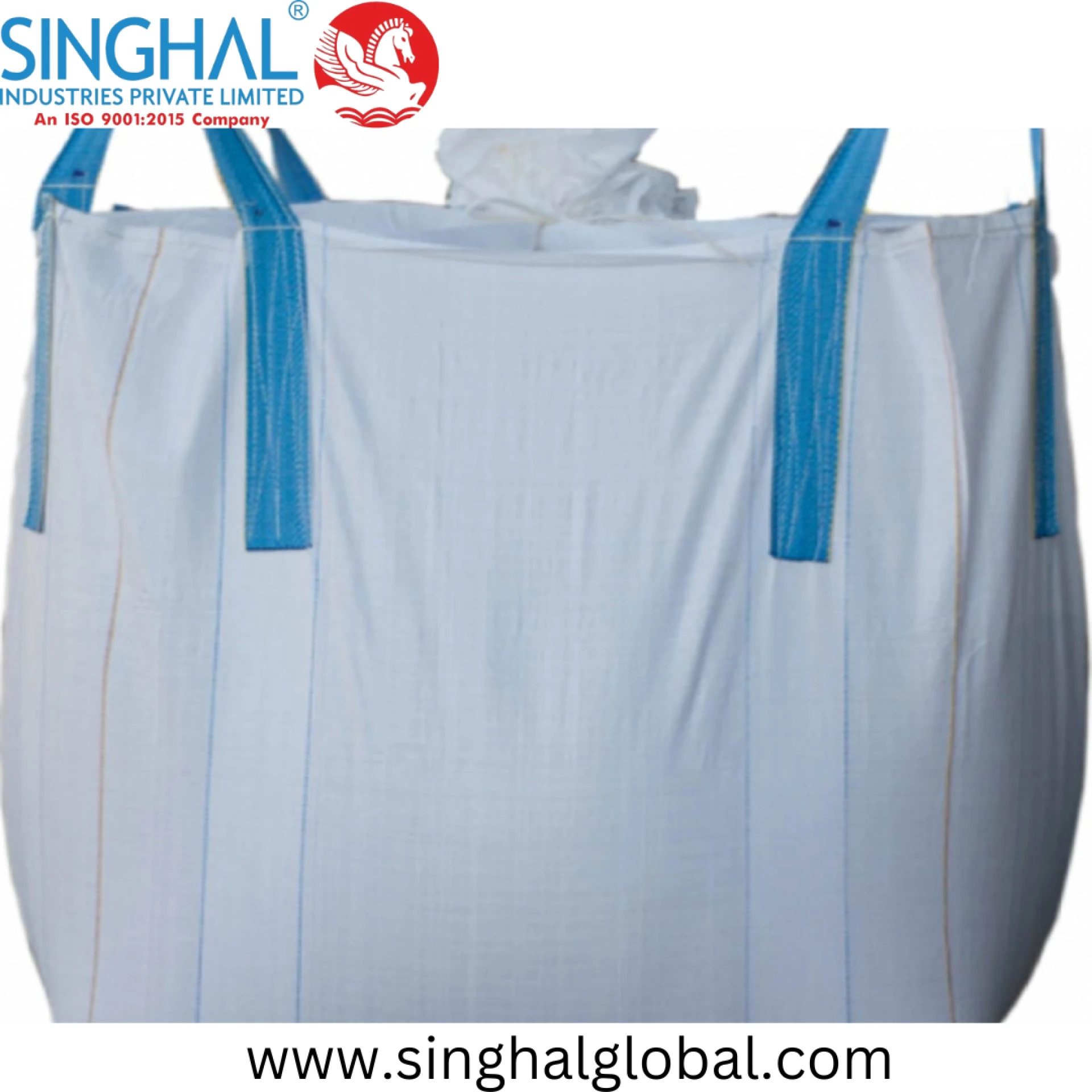
In the bustling heart of industrial landscapes, where the movement of vast quantities of materials is the lifeblood of progress, a silent giant reigns supreme: the FIBC jumbo sling bag. These unassuming containers, often overlooked, are the unsung heroes of bulk handling, offering a robust and efficient solution for diverse industries. From the agricultural fields where grains are harvested to the chemical plants where powders and granules are processed, the FIBC jumbo sling bag stands as a testament to practical engineering. The core appeal of these bags lies in their ability to handle immense loads with remarkable ease, transforming logistical nightmares into streamlined operations. The interwoven polypropylene fabric, meticulously crafted, provides the strength necessary to bear substantial weights, while the flexible design allows for efficient storage and transport. Their sheer size, capable of holding thousands of kilograms, translates to fewer handling cycles, reducing both time and labor costs. This translates to the industrial world's need for efficiency.
The Fabric of Efficiency: Material and Design
The construction of an Sling bag manufacturers in Gujarat is a marvel of material science and design. The woven polypropylene, a polymer known for its high tensile strength and chemical resistance, forms the foundation. This fabric is often treated with UV stabilizers to protect it from the harsh effects of sunlight, ensuring longevity even in outdoor storage. The stitching, a critical element, is reinforced to prevent tearing under heavy loads. The design itself, with its various loop configurations, allows for easy lifting and maneuvering using forklifts or cranes. The loop's design and strength are of utmost importance. The loops need to be able to carry the full weight of the filled bag without failure. These bags are also engineered to be stackable, optimizing storage space in warehouses and shipping containers. The industrial world is always looking for optimization.
A Symphony of Applications: From Agriculture to Construction
The versatility of FIBC jumbo sling bags extends across a spectrum of industries. In agriculture, they are used to transport grains, seeds, and fertilizers. In the construction sector, they handle sand, gravel, and cement. In the chemical industry, they store and transport powders and granules. The food industry utilizes them for bulk sugar, flour, and other ingredients. Even in the recycling industry, they play a crucial role in handling waste materials. This wide range of applications highlights their adaptability and effectiveness as a bulk handling solution. The industrial world's need is a versatile product.
The Regional Hubs: Gujarat and Ahmedabad's Contribution
The production and export of FIBC jumbo sling bags are concentrated in certain regions, with Gujarat and Ahmedabad in India emerging as key players. Sling bag manufacturers in Gujarat have developed a reputation for producing high-quality bags, meeting the stringent demands of international markets. FIBC jumbo bag exporters in Ahmedabad have established robust supply chains, ensuring timely delivery to customers worldwide. The strategic location of these regions, with access to ports and transportation networks, facilitates efficient export operations. FIBC jumbo bag supplier in India is a major player in the global market. These regions contribute significantly to the global supply of these essential industrial containers.
The Global Reach: Exporting Excellence
The export market for FIBC jumbo sling bags is vast, with demand originating from diverse regions across the globe. The ability to customize bags to meet specific requirements, such as size, weight capacity, and loop configuration, has further enhanced their appeal. Exporters work closely with clients to understand their needs and provide tailored solutions. The international standards for quality and safety are rigorously adhered to, ensuring that the bags meet the expectations of discerning customers. The global market is always looking for quality.
The Future of Bulk Handling: Innovation and Sustainability
The FIBC jumbo sling bag industry is not static. Innovations in materials and design are continuously being explored to enhance performance and sustainability. The use of recycled materials and biodegradable fabrics is gaining traction, reflecting the growing awareness of environmental concerns. The development of smart bags, equipped with sensors and tracking devices, is also on the horizon, promising to revolutionize supply chain management. The future of bulk handling will be more sustainable.
Conclusion
FIBC jumbo sling bags stand as a testament to the power of simple yet effective engineering. Their ability to handle vast quantities of materials with ease and efficiency has made them indispensable across a multitude of industries. The contributions of regions like Gujarat and Ahmedabad, with their established manufacturing and export capabilities, have solidified their position as key players in the global market. As industries continue to evolve, the FIBC jumbo bag supplier in India will undoubtedly play a pivotal role in shaping the future of bulk handling.
Frequently Asked Questions (F&Q):
What is the maximum weight capacity of a typical FIBC jumbo sling bag, and how is this weight distribution considered during the design and manufacturing process?
Answer: The maximum weight capacity of a typical FIBC jumbo sling bag can range from 500 kg to 2000 kg or even more, depending on the design and material used. During the design and manufacturing process, engineers meticulously calculate the load-bearing capacity of the fabric and stitching. The weight distribution is considered by reinforcing the loops and seams, ensuring that the bag can withstand the stress of lifting and transportation without tearing or failing. Load testing is often performed to confirm the design specifications.
How do FIBC jumbo sling bags contribute to reducing environmental impact in bulk material handling, and what sustainable practices are being adopted by manufacturers?
Answer: FIBC jumbo sling bags contribute to reducing environmental impact by minimizing packaging waste compared to smaller containers. Manufacturers are increasingly adopting sustainable practices, such as using recycled polypropylene and developing biodegradable fabrics. They are also optimizing production processes to reduce energy consumption and minimize waste generation. Some manufacturers are exploring closed-loop recycling systems to recover and reuse materials.
What are the key factors to consider when selecting an FIBC jumbo sling bag for specific industrial applications, and how can customization options enhance the bag's functionality?
Answer: Key factors to consider include the weight capacity, material compatibility, loop configuration, and safety requirements. Customization options, such as inner liners, coated fabrics, and specialized loop designs, can enhance the bag's functionality for specific applications. For example, a food-grade liner may be required for handling edible products, while a conductive fabric may be necessary for handling flammable materials. It is important to match the bag's specifications to the specific needs of the application.