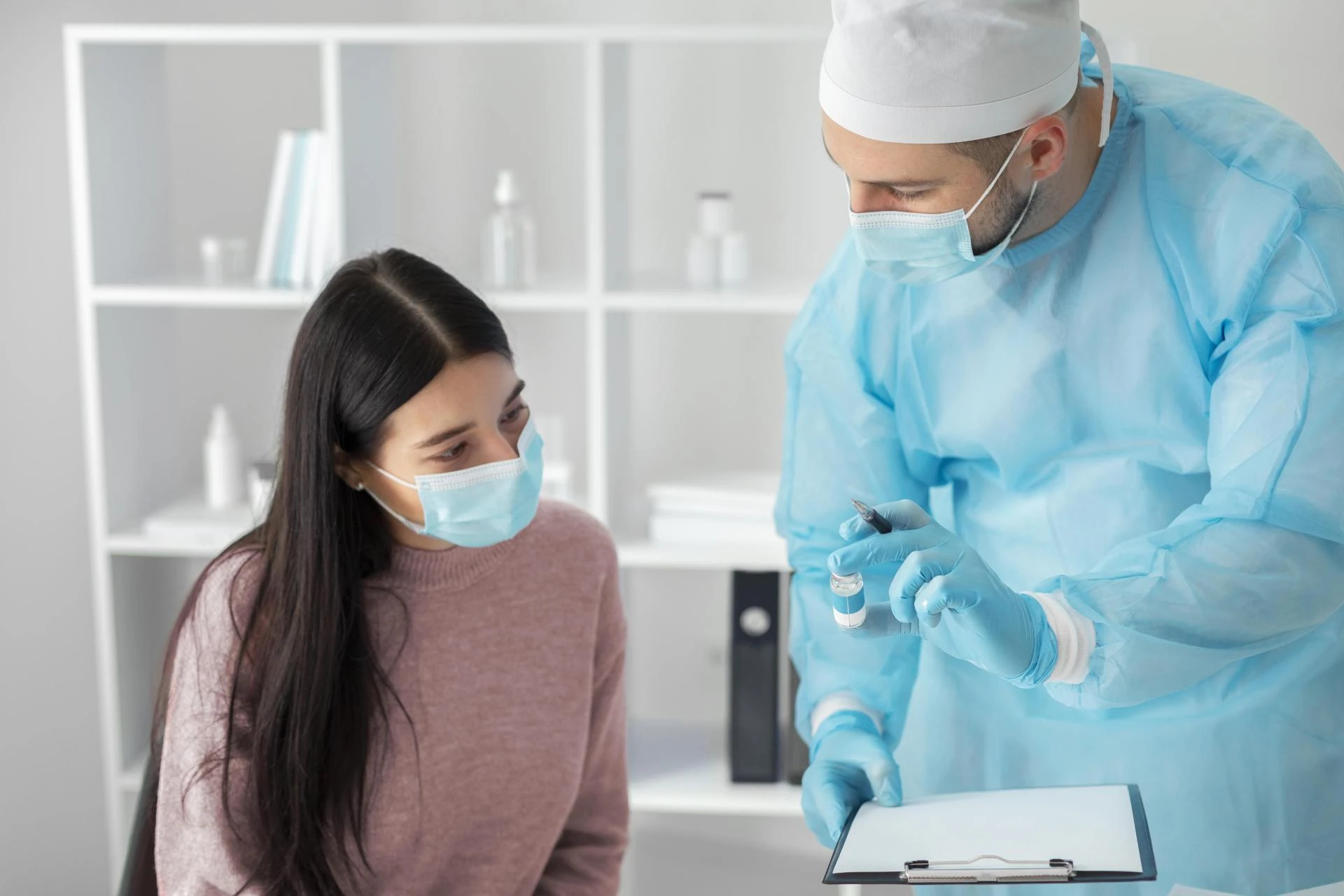
Facing a cancer diagnosis can be intimidating, and for many patients of reproductive age, concerns about fertility become an essential part of the journey. Cancer treatments like chemotherapy, radiation, and surgery can affect fertility by harming eggs or sperm. Still, advances in medicine now offer several ways to preserve the ability to have children after treatment. Understanding fertility preservation for cancer patients can help provide hope and options before treatment begins.
Why fertility preservation matters?
Cancer treatments can damage the reproductive organs or reduce the quality and quantity of eggs or sperm, which impacts fertility after cancer treatment. The good news is that many techniques are available to protect fertility, allowing patients to plan for future pregnancies even before they start therapy. Early consultation with fertility experts combined with the cancer care team will help you understand how to improve the chances of IVF success.
Common fertility preservation methods
- Egg freezing (Oocyte cryopreservation): For women who are not currently with a partner or prefer not to create embryos, their eggs can be collected and frozen for future use. This involves stimulating the ovaries to produce many eggs, retrieving them, and freezing them.
- Embryo freezing (Embryo cryopreservation): This option is available for women who have a partner or choose to use donor sperm. Eggs are fertilised before freezing to create embryos that can be stored until pregnancy is desired.
- Ovarian tissue freezing: This newer approach involves surgically removing ovarian tissue, freezing it, and potentially re-implanting it after cancer treatment. It’s beneficial for girls or women who can’t delay cancer therapy for egg retrieval.
- Fertility-sparing surgery: In some cases, surgery is planned to treat cancer without removing or damaging reproductive organs, helping patients keep fertility.
- Medications: Hormonal treatments may be offered to protect the ovaries during cancer therapy, though this is usually combined with other preservation methods.
How to improve chances of IVF success after cancer treatment?
Once cancer treatment is complete, some patients may use IVF to conceive. To improve IVF success after cancer, the following are essential:
- Early fertility testing: Tests like the AMH blood test help assess ovarian reserve and guide IVF planning.
- Personalised IVF protocols: Fertility doctors may tailor IVF treatment to optimise responses based on previous cancer therapy.
- Using frozen eggs or embryos: The eggs or embryos preserved before treatment can be thawed and used when ready to try for pregnancy.
- Healthy lifestyle and monitoring: Maintaining overall health, managing stress, and close medical follow-up improve fertility outcomes.
Conclusion:
If you are facing cancer treatment and worried about fertility after cancer treatment, it’s essential to know you’re not alone, and options exist. Fertility preservation for cancer patients opens the door to parenthood after recovery. Speak with your oncology and fertility specialists early to explore egg or sperm freezing, ovarian tissue preservation, and other strategies that fit your situation.