Are you feeling tired all the time, even after a good night's sleep? Do you have unexplained pain in your upper belly? These could be warning signs that your liver is struggling with a condition called fatty liver disease.
Your liver is like a busy factory that works 24/7 to keep your body healthy. It cleans toxins from your blood, helps digest food, and stores important vitamins. But when too much fat builds up in your liver, it can't do its job properly.
The scary part? Fatty liver disease is becoming very common. It affects about 1 in 4 adults around the world. Even worse, many people don't know they have it because it often doesn't cause obvious symptoms at first.
But here's the good news: if you catch it early, fatty liver disease can often be reversed. Your liver is amazing at healing itself when you give it the right support. In this guide, you'll learn how to spot the warning signs, understand what causes this condition, and discover what you can do to help your liver get healthy again.
What Is Fatty Liver Disease?
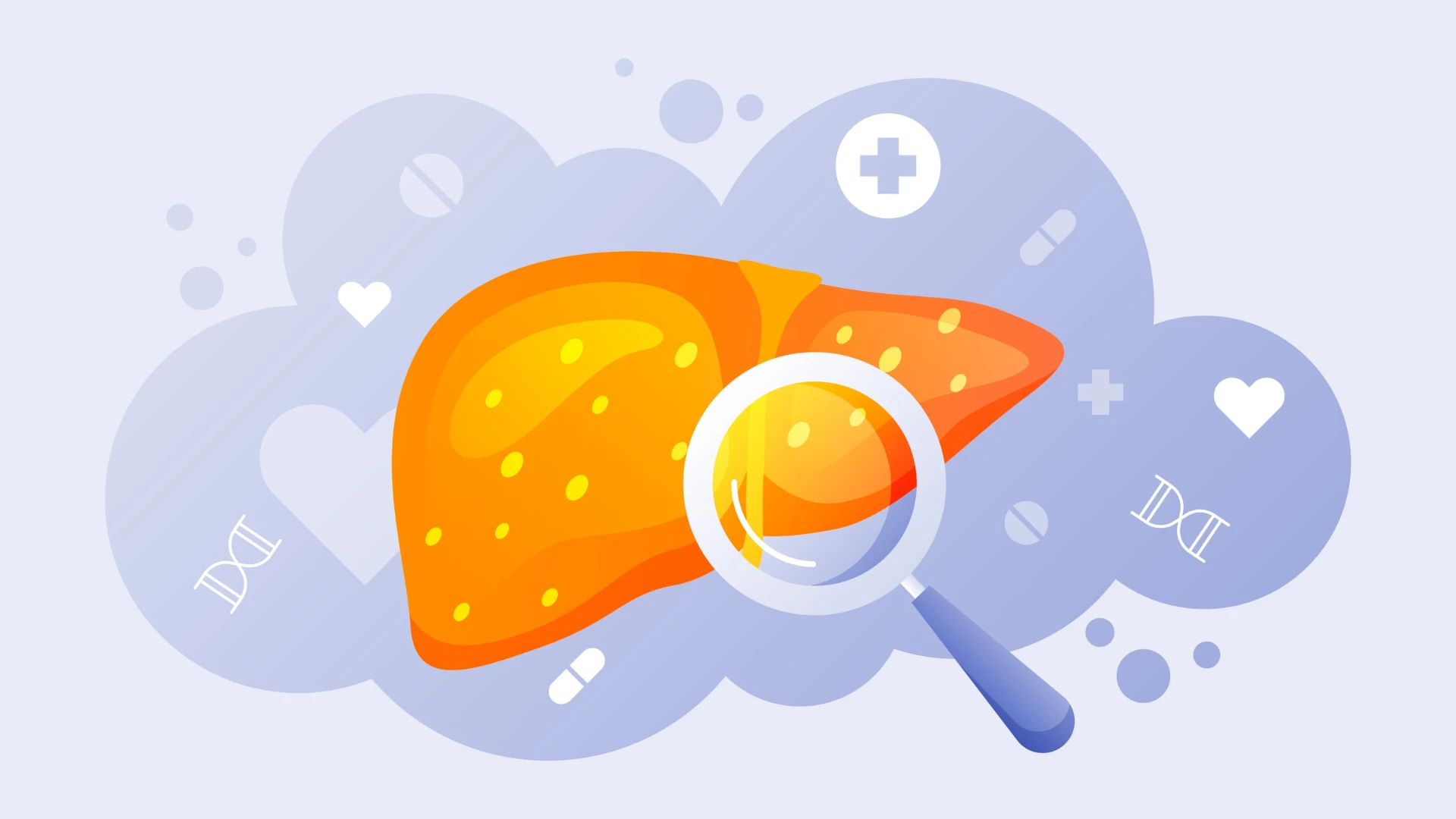
Fatty liver disease happens when too much fat builds up inside your liver cells. Normally, your liver should have very little fat - less than 5% of its weight. When fat makes up more than 5-10% of your liver's weight, you have fatty liver disease.
Think of it like this: imagine your liver cells are like storage rooms. When they get stuffed with too much fat, they can't work properly anymore.
The Two Main Types
There are two main kinds of fatty liver disease:
Non-Alcoholic Fatty Liver Disease (NAFLD)
Nonalcoholic fatty liver disease is the most common type. It affects people who drink little or no alcohol. This type is closely connected to being overweight, having diabetes, or having high cholesterol. It's become more common as more people struggle with obesity and diabetes.
Alcoholic Fatty Liver Disease
Alcoholic fatty liver disease happens in people who drink too much alcohol over time. When you drink alcohol, your liver has to work extra hard to process it. This can cause fat to build up in your liver cells.
How the Disease Gets Worse
Fatty liver disease can get worse over time if it's not treated:
- Simple Fatty Liver: Fat builds up but doesn't cause much damage yet
- Inflamed Fatty Liver: Fat buildup causes swelling and damage to liver cells
- Scarring: Repeated damage causes scar tissue to form
- Cirrhosis: So much scar tissue forms that the liver can't work properly
This is why catching it early is so important - you can stop it from getting worse.
Early Warning Signs You Shouldn't Ignore
The tricky thing about fatty liver disease is that it often starts without any obvious symptoms. Your liver is very good at doing its job even when it's damaged, so you might not notice anything wrong at first.
The Silent Beginning
In the early stages, you might feel completely normal. This is why fatty liver disease is sometimes called a "silent" condition. But just because you feel fine doesn't mean nothing is happening - damage is still occurring inside your liver.
Subtle Signs to Watch For
As the condition progresses, you might start noticing small changes that are easy to ignore:
Always Feeling Tired
One of the first fatty liver symptoms many people notice is feeling tired all the time. This isn't just normal tiredness - it's a deep fatigue that doesn't go away even after you rest. This happens because your liver isn't working as well as it should, which affects your energy levels.
Belly Discomfort
You might feel a dull ache or heaviness in the upper right part of your belly, where your liver sits. Some people describe it as feeling "full" or "heavy" in that area. This discomfort might come and go, making it easy to ignore.
Trouble Thinking Clearly
When your liver can't filter toxins properly, it can affect your brain. You might notice:
- Difficulty concentrating
- Feeling "foggy" or confused
- Memory problems
- Trouble focusing at work or school
Digestive Problems
Fatty liver disease symptoms often include stomach issues like:
- Feeling sick to your stomach, especially after eating fatty foods
- Loss of appetite
- Feeling full after eating just a little bit
- Bloating and gas
- Changes in bowel movements
Symptoms in Women
Fatty liver symptoms in females might be different because of hormones. Women might notice:
- Symptoms that get worse at certain times of the month
- Changes during menopause
- Different patterns of weight gain
More Serious Warning Signs
As fatty liver disease gets worse, the signs of fatty liver become more obvious and concerning. These symptoms mean the condition has moved beyond just fat buildup to actual liver damage.
When Inflammation Joins the Problem
When fatty liver progresses to what doctors call NASH (nonalcoholic steatohepatitis), inflammation is added to the fat buildup. Nash symptoms are usually more noticeable and include:
Severe Tiredness
The fatigue becomes much worse and starts interfering with your daily life. You might find it hard to get through a normal day.
Constant Belly Pain
The pain in your upper right belly becomes more constant and noticeable. Some people also notice their belly getting bigger due to swelling.
Yellowing of Skin and Eyes
If your skin or the whites of your eyes start turning yellow, this is called jaundice. It's a sign that your liver is having trouble processing waste products.
Changes in Urine and Stool
Your urine might become darker, and your stools might become lighter in color. These changes indicate liver problems.
Easy Bruising
Your liver makes proteins that help your blood clot. When it's not working well, you might bruise easily or bleed longer than normal.
Advanced Stage: Cirrhosis
Nash cirrhosis is the most serious stage, where scar tissue has severely damaged the liver. Symptoms at this stage are severe and can be life-threatening.
What Causes Fatty Liver Disease?
Understanding the causes of fatty liver helps you know if you're at risk and what you can do to prevent or treat it.
Metabolic Problems
Insulin Resistance and Diabetes
When your body becomes resistant to insulin, it produces more insulin to keep blood sugar normal. This extra insulin tells your liver to store more fat. This is one of the main reasons nonalcoholic fatty liver disease is so common in people with diabetes.
Being Overweight
Carrying extra weight, especially around your middle, greatly increases your risk. Fat around liver often goes hand-in-hand with belly fat.
High Cholesterol and Triglycerides
When you have high levels of fats in your blood, some of that fat can end up stored in your liver.
What You Eat Matters
Too Much Sugar
Eating lots of added sugar, especially the kind found in sodas and processed foods, can overwhelm your liver and cause fat to build up.
Processed Foods
Foods that are highly processed and contain artificial ingredients can contribute to liver fat accumulation and inflammation.
Eating Too Much
Simply eating more calories than your body needs can lead to fat storage in your liver, regardless of what types of food you eat.
Lifestyle Factors
Not Moving Enough
A sedentary lifestyle reduces your body's ability to process fats and sugars properly, making fatty liver more likely.
Poor Sleep
Not getting enough good-quality sleep can mess with hormones that control hunger and metabolism.
Too Much Stress
Chronic stress affects your hormones and can lead to behaviors that increase fatty liver risk.
Medical Conditions
Some health conditions increase your risk:
- Polycystic ovary syndrome (PCOS)
- Sleep apnea
- Thyroid problems
- Certain medications
How Fatty Liver Affects Your Overall Health
Fatty liver and hepatitis can occur together, making liver problems worse. Understanding how fatty liver connects to other health issues helps you see the bigger picture.
Metabolic Syndrome
Fatty liver disease is often part of a group of conditions called metabolic syndrome, which includes:
- Belly fat
- High blood pressure
- High blood sugar
- Abnormal cholesterol levels
Heart Disease Risk
People with fatty liver disease have a higher risk of heart attacks and strokes, even if they don't have other risk factors.
Diabetes Connection
Fatty liver disease and type 2 diabetes often go together. Having one condition increases your risk of developing the other.
The Serious Side Effects
The side effects of fatty liver can affect your whole body and quality of life.
Short-term Effects
- Constant tiredness
- Stomach discomfort
- Difficulty losing weight
- Getting sick more often
- Poor sleep
Long-term Complications
If not treated, fatty liver disease can lead to:
Liver Scarring
Over time, inflammation can cause scar tissue to form in your liver. Too much scarring can lead to nash cirrhosis, where your liver can't work properly.
Liver Cancer
Advanced fatty liver disease increases your risk of developing liver cancer.
Liver Failure
In severe cases, your liver might stop working altogether, which can be life-threatening.
Heart Problems
Fatty liver significantly increases your risk of heart disease and stroke.
When to See a Doctor
You should talk to a doctor if you have:
- Constant tiredness that doesn't get better with rest
- Pain in your upper right belly
- Unexplained weight changes
- Any yellowing of your skin or eyes
- Risk factors like diabetes, obesity, or high cholesterol
Tests Your Doctor Might Do
Blood Tests
Simple blood tests can check how well your liver is working. However, normal blood tests don't always rule out fatty liver disease.
Imaging Tests
- Ultrasound: This is usually the first test to look for fat in your liver
- CT Scan: Provides more detailed pictures
- MRI: Gives the most accurate measurement of liver fat
Special Tests
Sometimes doctors need more information:
- FibroScan: Measures how stiff your liver is to check for scarring
- Liver Biopsy: Taking a small piece of liver tissue to examine under a microscope
How to Treat and Reverse Fatty Liver Disease
The best news about fatty liver disease is that it can often be reversed, especially if caught early. Treatment focuses on fixing the underlying problems and helping your liver heal.
Lifestyle Changes: Your Most Powerful Tool
Lose Weight Gradually
If you're overweight, losing just 7-10% of your body weight can dramatically reduce liver fat. Even losing 3-5% can help. The key is to lose weight slowly and steadily - about 1-2 pounds per week.
Eat Better
- Cut back on sugar and processed foods
- Eat more vegetables, fruits, and whole grains
- Choose lean proteins like fish, chicken, and beans
- Use healthy fats like olive oil
- Try the Mediterranean diet, which has been shown to help liver health
Get Moving
Exercise helps reduce liver fat even if you don't lose much weight. Try to get:
- At least 150 minutes of moderate exercise per week (like brisk walking)
- Include both cardio and strength training
- Start slowly and gradually increase your activity
Medical Treatment
While there's no specific medication for fatty liver disease, doctors might prescribe medicines for related conditions:
- Diabetes medications to help with insulin resistance
- Cholesterol medications
- Blood pressure medications
- Sometimes vitamin E supplements
What to Avoid
- Limit or stop drinking alcohol
- Avoid unnecessary medications that can harm your liver
- Be careful with herbal supplements - some can damage your liver
Preventing Fatty Liver Disease
Prevention is always better than treatment. Here's how to protect your liver:
Maintain a Healthy Weight
Keep your weight in the normal range and avoid gaining excess belly fat.
Eat a Healthy Diet
Focus on whole foods, limit processed foods and added sugars, and watch your portion sizes.
Stay Active
Regular physical activity helps your body process fats and sugars better and improves overall health.
Limit Alcohol
Follow recommended guidelines for alcohol consumption, or avoid it completely if you have risk factors.
Manage Other Health Conditions
Keep diabetes, high blood pressure, and high cholesterol under control with proper treatment.
Get Regular Check-ups
Regular doctor visits can help catch fatty liver disease early when it's easiest to treat.
Living Well with Fatty Liver Disease
If you've been diagnosed with fatty liver disease, remember that you can take control of your health.
Work with Your Doctor
Find healthcare providers who understand fatty liver disease and can help you create a treatment plan that works for you.
Track Your Progress
Regular follow-up appointments and tests help you see how you're improving and adjust your treatment if needed.
Be Patient
Lifestyle changes take time to work. Focus on making changes you can stick with long-term rather than trying to change everything at once.
Get Support
Consider joining support groups or working with a nutritionist to help you maintain healthy habits.
Also Read, What is the Best Diet for Inflammation?
Conclusion
Fatty liver disease is a serious condition, but the good news is that it's often reversible with the right approach. The key is recognizing the symptoms early, understanding what causes the condition, and taking action to support your liver health.
Remember that fatty liver symptoms can be subtle at first, so it's important to pay attention to your body and see a doctor if you have risk factors or concerning symptoms. The sooner you catch and address fatty liver disease, the better your chances of preventing serious complications.
The most encouraging thing about fatty liver disease is that it responds well to healthy lifestyle changes. Through weight management, better eating habits, regular exercise, and proper medical care, many people can successfully reverse this condition and prevent it from getting worse.
Your liver is incredibly good at healing itself when you give it the right support. By understanding the warning signs and taking appropriate action, you can protect this vital organ and maintain your health for years to come.
Worried about fatty liver disease or experiencing symptoms? At Conscious Medicine, we specialize in finding and treating the root causes of conditions like fatty liver disease. Our functional medicine approach combines thorough testing with personalized treatment plans to help you achieve optimal liver health. Contact us today to learn how we can support your journey to better health through targeted nutrition, lifestyle changes, and evidence-based treatments.