
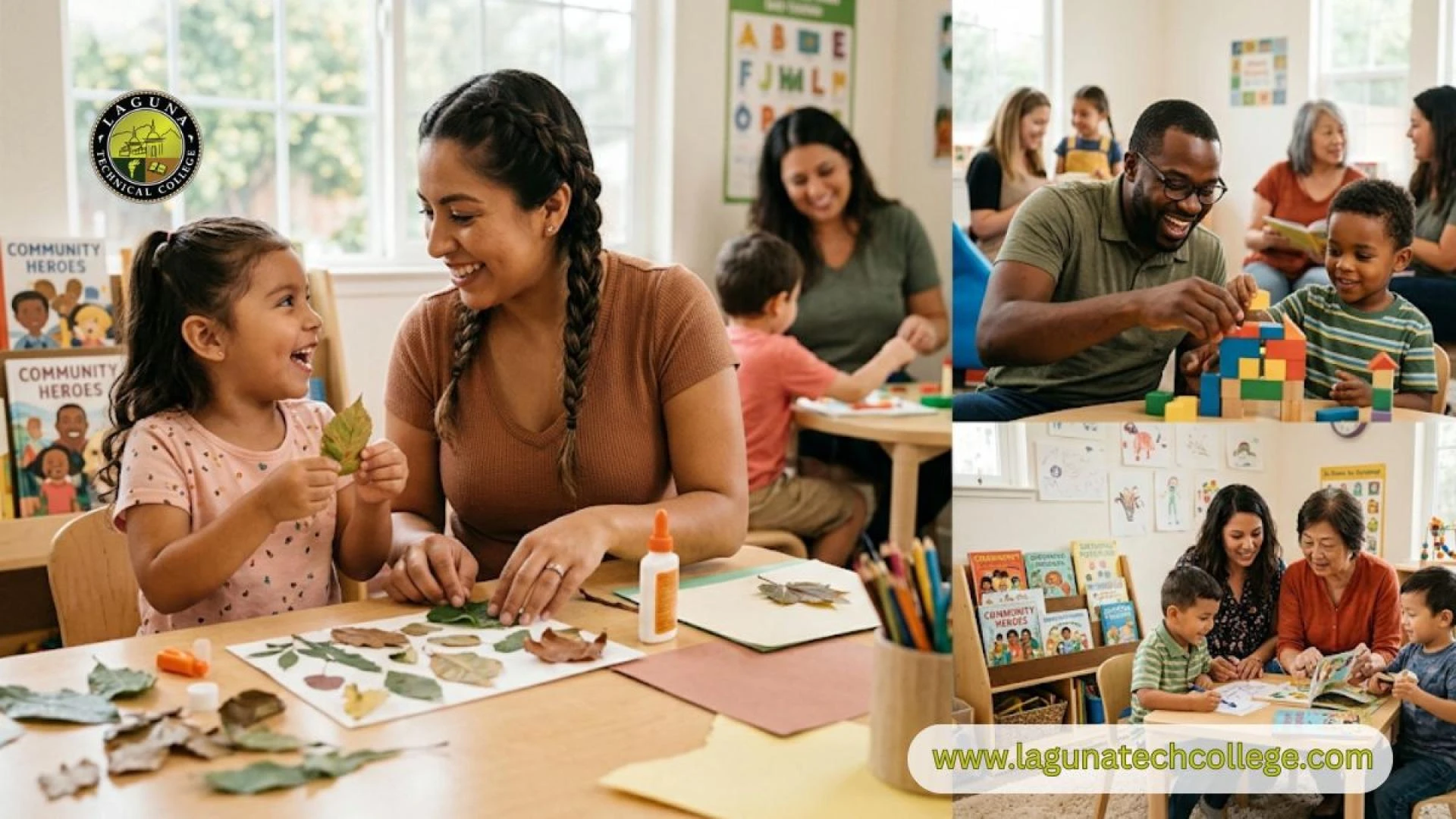
Family plays a vital role in shaping a child’s growth, learning, and overall well-being. In early childhood education, strong collaboration between educators and families is essential for creating a supportive and nurturing environment. Understanding family engagement in early childhood education helps educators and caregivers build meaningful connections that positively influence children’s development.
Courses like the Child, Family, and Community program at Laguna Technical College emphasize the importance of these relationships and how they contribute to better educational outcomes.
What is Family Engagement in Early Childhood Education?
Family engagement in early childhood education refers to the active participation of parents and caregivers in a child’s learning journey. It goes beyond occasional communication and involves building partnerships between families and educators.
Effective family engagement includes:
- Regular communication between teachers and parents
- Participation in school activities
- Collaboration in decision-making
- Support for learning at home
When families are involved, children feel more secure, confident, and motivated to learn.
The Role of Family in Child Development
The role of family in child development is fundamental. Families are a child’s first teachers, and their influence begins long before formal education starts.
1. Emotional Development
A supportive family environment helps children develop emotional security. When children feel loved and valued, they are more likely to build healthy relationships and manage their emotions effectively.
2. Cognitive Growth
Parents and caregivers contribute to cognitive development by:
- Encouraging curiosity
- Reading and storytelling
- Providing learning opportunities at home
These activities enhance language skills, memory, and problem-solving abilities.
3. Social Skills
Family interactions teach children how to communicate, share, and cooperate with others. These social skills are essential for success in school and beyond.
4. Behavioral Development
Children often model the behavior they observe at home. Positive parenting practices help shape discipline, responsibility, and respect for others.
Why Family Engagement Matters in Early Education
Strong family engagement in early childhood education leads to better outcomes for children, educators, and families.
Improved Academic Performance
Children whose families are actively involved in their education tend to perform better academically and show greater interest in learning.
Better Attendance and Participation
Engaged families are more likely to ensure consistent attendance and participation in school activities.
Stronger Teacher-Parent Relationships
Collaboration builds trust and helps educators understand each child’s unique needs.
Enhanced Confidence in Children
Children feel more confident and supported when they see their families involved in their education.
Key Components of Effective Family Engagement
To strengthen family engagement in early childhood education, educators and institutions must focus on building inclusive and respectful relationships.
1. Communication
Open and consistent communication is the foundation of strong partnerships. This includes:
- Parent-teacher meetings
- Progress reports
- Digital communication tools
2. Cultural Awareness
Understanding and respecting cultural diversity helps create inclusive environments where all families feel valued.
3. Family Participation
Encouraging families to participate in classroom activities and events strengthens their connection to the learning process.
4. Support Services
Providing resources such as parenting workshops and community programs helps families better support their children’s development.
How Education Programs Support Family Engagement
Courses like the Child, Family, and Community program at Laguna Technical College are designed to help educators understand the role of family in child development and build effective partnerships.
Students in such programs learn:
- How to communicate effectively with families
- Strategies to involve parents in education
- The impact of social and cultural factors on development
- Ways to support diverse family structures
This knowledge prepares educators to create environments that promote collaboration and inclusivity.
Benefits for Educators and Institutions
Focusing on family engagement in early childhood education not only benefits children but also enhances the effectiveness of educators and institutions.
Better Understanding of Students
Educators gain insights into children’s backgrounds, helping them tailor their teaching approaches.
Increased Job Satisfaction
Strong relationships with families create a more positive and supportive work environment.
Improved Program Quality
Engaged families contribute to continuous improvement in educational programs.
Practical Strategies for Strengthening Family Engagement
Educators can implement simple yet effective strategies to enhance family engagement in early childhood education:
- Organize regular parent-teacher meetings
- Use digital platforms for communication
- Encourage family involvement in classroom activities
- Provide resources for home learning
- Celebrate cultural diversity through events and activities
These strategies help build trust and foster long-term partnerships.
Conclusion
Understanding family engagement in early childhood education is essential for supporting children’s growth and development. The role of family in child development cannot be overstated, as families provide the foundation for emotional, social, and cognitive growth.
By building strong partnerships between educators and families, early childhood programs can create nurturing environments that help children thrive. Programs like the Child, Family, and Community course at Laguna Technical College equip educators with the skills needed to foster these important relationships.
Investing in family engagement is not just beneficial—it is essential for creating a positive and lasting impact on children’s lives.