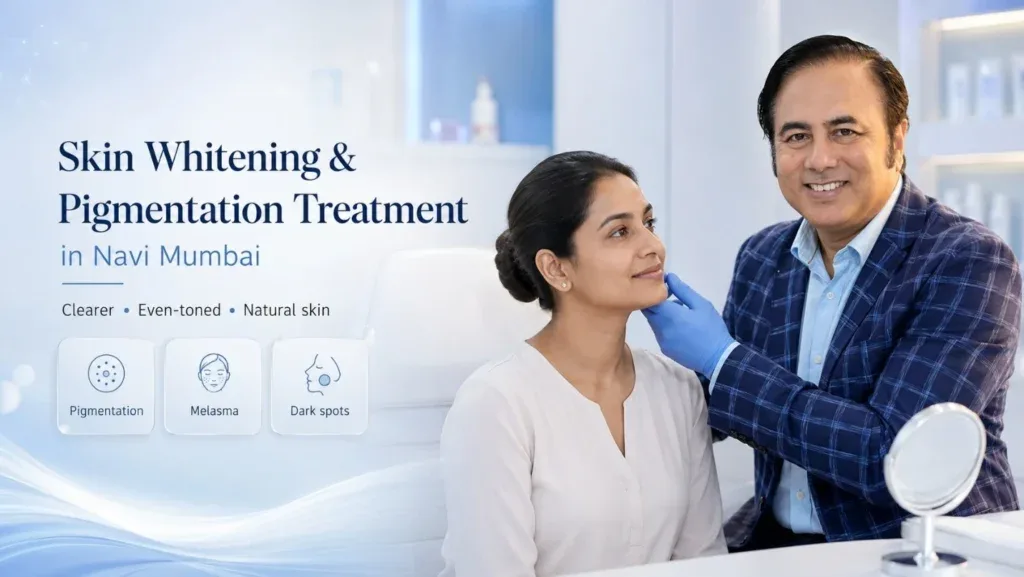
A beginner's guide to brighter, more even-toned skin
Walk into any skincare clinic and you will hear the words "whitening," "brightening," and "fairness" used almost interchangeably. As a result, many beginners feel confused before they even book a consultation. Does skin whitening treatment in Navi Mumbai change your natural skin color? Is it safe? And how does it differ from skin rejuvenation treatment in Navi Mumbai? This guide answers those questions step by step, so you can make a confident, informed decision.
Section 1: What Is Skin Whitening Treatment?
Understanding the basics before you begin
Skin whitening treatment, often called skin brightening or lightening, refers to a group of dermatologist-guided procedures that reduce excess pigmentation and improve overall skin tone. Contrary to popular belief, these treatments do not rewrite your genetic skin color. Instead, they target the factors that make skin look dull, patchy, or uneven.
Those factors include tanning, sun damage, acne marks, melasma, and dark patches around the neck, underarms, or knees. First, a specialist evaluates your skin type and concerns. Then, the specialist designs a plan that treats these specific problems. Consequently, the final result looks like healthier, more radiant skin rather than an artificial shade of white.
In short, a good skin whitening treatment in Navi Mumbai aims for flawless, even-toned skin, not a different skin color.
Section 2: Fair vs. Flawless: Busting the Biggest Myths
Separating fact from fiction
Social media and advertisements spread plenty of misinformation. Therefore, let us clear up the most common myths.
Myth 1: Whitening treatment makes you several shades lighter. In reality, professionals focus on removing pigmentation and tan. Your natural undertone stays the same.
Myth 2: One session delivers permanent results. Skin constantly produces new melanin, so most treatments need multiple sessions. Moreover, sun exposure can bring pigmentation back if you skip protection.
Myth 3: Fairness creams work as well as clinical treatments. Many over-the-counter creams contain unregulated ingredients such as strong steroids or mercury. These products can thin the skin and cause long-term damage. A dermatologist, on the other hand, uses tested and approved ingredients.
Myth 4: Everyone needs the same treatment. Every skin type reacts differently. For that reason, personalization matters more than any single procedure.
Once you drop these myths, you can set realistic expectations and enjoy better outcomes.
Section 3: How Skin Whitening Treatment Actually Works
The science of melanin, explained simply
Melanin is the pigment that gives your skin, hair, and eyes their color. Special cells called melanocytes produce it. When UV rays, hormones, inflammation, or pollution trigger these cells, they make extra melanin. This excess then collects in certain areas and creates dark spots, tan lines, and uneven patches.
Skin whitening treatments work in three main ways:
- They slow down melanin production. Certain active ingredients calm overactive melanocytes.
- They speed up cell turnover. Peels and exfoliating procedures remove pigmented surface cells, so fresh, clearer skin appears.
- They break up existing pigment. Laser energy fragments clusters of melanin, and the body then clears them naturally.
Because Navi Mumbai has a humid, sunny coastal climate, residents often struggle with tanning and pigmentation. As a result, demand for professional brightening care keeps growing in areas such as Vashi, Nerul, Kharghar, Belapur, and Panvel.
Section 4: Popular Skin Whitening Treatments for Beginners
A quick tour of the most common options
If you are new to cosmetic dermatology, the list of procedures can feel overwhelming. Here is a simple overview.
Chemical peels. A dermatologist applies a mild acid solution that gently exfoliates the top skin layer. Peels help with tan, acne marks, and rough texture. Most people notice a fresher tone after a few sessions.
Laser toning. This procedure uses low-energy laser pulses to break down stubborn pigment. It suits melasma, sun spots, and uneven tone. Typically, it requires little downtime.
Glutathione therapy. Glutathione is an antioxidant that some clinics offer as an oral supplement or an intravenous infusion for brightening. Because research on this approach is still limited, always discuss benefits and risks with a qualified doctor before you start.
Brightening facials and medi-facials. These sessions combine exfoliation, hydration, and brightening serums. They work well as maintenance between stronger procedures.
Topical prescriptions. Doctors may also prescribe creams with ingredients such as vitamin C, niacinamide, or azelaic acid. These products support clinic treatments and protect your results at home.
No single option works for everyone. Hence, a proper consultation always comes first.
Section 5: Skin Whitening vs. Skin Rejuvenation
Two treatments, two different goals
Many beginners ask whether skin whitening treatment in Navi Mumbai and skin rejuvenation treatment in Navi Mumbai mean the same thing. They overlap, but they are not identical.
Skin whitening (brightening) focuses on tone. It reduces pigmentation, tan, and dark patches so your complexion looks even.
Skin rejuvenation focuses on skin quality and youthfulness. It uses options such as microneedling, PRP therapy, hydrafacial, and laser resurfacing to boost collagen, soften fine lines, shrink pores, and smooth scars.
However, the two approaches often work well together. For example, a person with acne scars and dark marks may need rejuvenation to smooth texture and brightening to even out color. Likewise, someone with early signs of aging and a dull complexion may benefit from both. Your dermatologist can combine them in a single, customized plan.
Section 6: What to Expect During and After Treatment
A realistic look at the process, results, and safety
Step 1: Consultation. First, the doctor examines your skin, asks about your medical history, and discusses your goals. Be honest about products you currently use.
Step 2: Treatment plan. Next, the clinic recommends a procedure and a number of sessions. Most people need a series spaced a few weeks apart.
Step 3: The procedure. Sessions usually last between 20 and 60 minutes. You may feel mild tingling or warmth, but most treatments cause only minor discomfort.
Step 4: Recovery. Temporary redness, dryness, or light peeling can occur. These effects normally fade within a few days.
Step 5: Results. Many people see gradual improvement after two or three sessions. Final results depend on your skin type, the cause of pigmentation, and your aftercare habits.
Safety deserves special attention. Avoid clinics that promise dramatic overnight results or refuse to explain their products. Instead, choose a licensed dermatologist who patch-tests, explains side effects, and sets honest timelines.
Section 7: Aftercare Tips to Protect Your Glow
Simple habits that make results last
Treatment is only half the journey. Daily habits decide how long your results last. Follow these essentials:
- Apply sunscreen every day. Use SPF 30 or higher, and reapply every two to three hours when you spend time outdoors.
- Moisturize regularly. Hydrated skin heals faster and looks brighter.
- Skip picking and scrubbing. Rough handling can trigger new pigmentation.
- Follow your doctor's home-care routine. Use only the products your dermatologist recommends.
- Drink water and eat antioxidant-rich foods. Fruits, vegetables, and nuts support healthy skin from within.
- Attend follow-up visits. Regular check-ins help your doctor adjust the plan.
In addition, limit direct sun exposure during peak afternoon hours, especially in Navi Mumbai's strong summer heat.
Section 8: Conclusion
Aim for flawless, not fair
So, what does skin whitening treatment in Navi Mumbai really do? It does not change who you are or alter your natural skin color. Instead, it removes tan, fades pigmentation, and reveals a clearer, more even-toned complexion. When you pair it with skin rejuvenation treatment in Navi Mumbai, you can also improve texture, firmness, and overall skin health.
To begin, book a consultation with a qualified dermatologist, share your goals, and ask plenty of questions. Then commit to a personalized plan and protect your skin every day. With patience, professional guidance, and the right aftercare, you can enjoy healthy, flawless skin that looks like the best version of you.