Communication is something most people take for granted—until it becomes difficult. Speaking clearly, understanding others, expressing emotions, or even swallowing safely are complex processes that rely on well-coordinated physical, cognitive, and neurological systems. When any part of this system is disrupted, speech therapy becomes a vital support.
Speech therapy is a specialized clinical service delivered by trained speech-language pathologists (SLPs). It helps individuals of all ages overcome communication and swallowing challenges, enabling them to participate fully in everyday life. Far from being limited to childhood speech delays, speech therapy supports people across the lifespan—from toddlers taking their first words to older adults relearning communication after illness or injury.
Why Speech Therapy Matters More Than People Realize
In real-world practice, communication difficulties rarely exist in isolation. A child who struggles to speak may withdraw in classrooms. An adult with a voice disorder may avoid social or professional interactions. Someone with swallowing difficulty may experience anxiety around eating.
Speech therapy addresses not just symptoms, but the broader impact communication has on learning, relationships, employment, and emotional health. When communication improves, confidence often follows naturally.
Signs That Speech Therapy May Be Needed
Speech and language difficulties can look different at different stages of life.
In Young Children
- Limited or unclear speech for their age
- Difficulty following simple instructions
- Poor vocabulary growth
- Frustration or tantrums related to communication
- Reduced eye contact or interaction
In School-Age Children and Teenagers
- Difficulty expressing ideas clearly
- Problems with reading, writing, or comprehension
- Persistent stammering
- Avoidance of speaking in class
In Adults
- Hoarseness or voice fatigue
- Slurred or unclear speech
- Difficulty finding words
- Communication changes after stroke or head injury
- Trouble chewing or swallowing
Recognizing these signs early allows for timely professional support.
Common Areas Addressed in Speech Therapy
Speech Clarity
Speech therapy helps correct sound production so speech becomes clearer and easier to understand.
Language Skills
This includes understanding spoken language, forming sentences, storytelling, and social communication skills essential for academics and relationships.
Fluency
Stammering or stuttering therapy focuses on smoother speech, reduced tension, and increased speaking confidence rather than forcing perfection.
Voice Care
Voice therapy supports healthy voice use, particularly for individuals who speak professionally, such as teachers or trainers.
Feeding and Swallowing
Speech therapists play a critical role in ensuring safe swallowing and appropriate feeding strategies for both children and adults.
What Actually Happens in a Therapy Session?
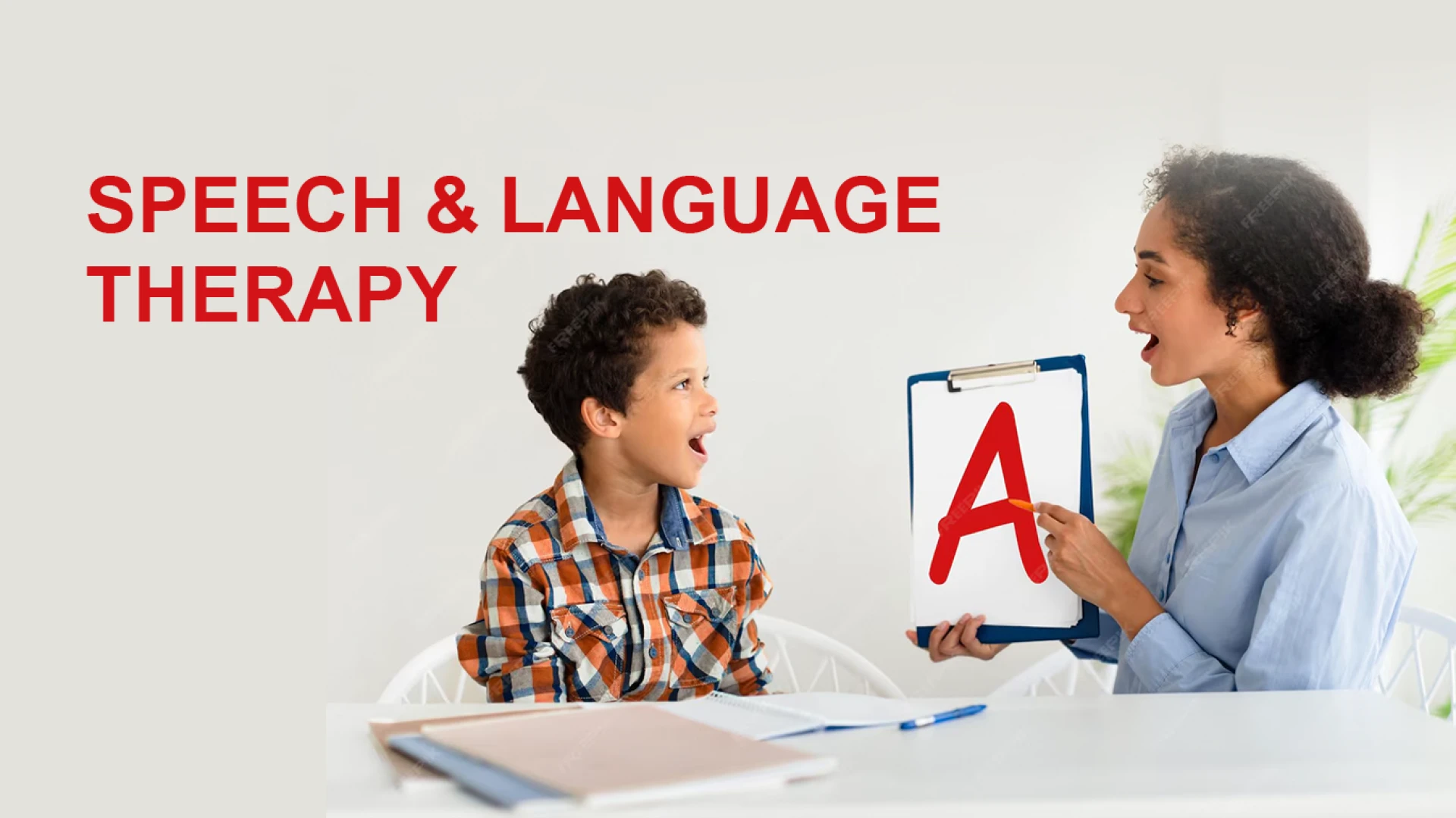
Speech therapy sessions are carefully planned and goal-focused. They are adapted to the person’s age, needs, and comfort level.
- For young children, therapy often feels like play
- For older children and adults, sessions may include structured tasks, conversation practice, and functional exercises
- Home strategies are always shared to support progress beyond the clinic
Progress depends not on speed, but on consistency and collaboration.
Breaking Common Myths About Speech Therapy
Myth 1: “Children will outgrow speech problems.”
Some do, many don’t. Delays that persist should always be assessed.
Myth 2: “Speech therapy is only for kids.”
Adults benefit immensely from therapy, especially after medical conditions.
Myth 3: “Speech delay means low intelligence.”
Speech and intelligence are not the same. Many highly intelligent individuals experience speech or language challenges.
Emotional Impact of Communication Difficulties
Communication challenges can silently affect mental health. People may experience embarrassment, anxiety, or social isolation. Speech therapy creates a safe space where individuals are encouraged, supported, and empowered rather than corrected or judged.
Over time, improved communication often leads to stronger relationships, better academic or professional performance, and increased self-confidence.
When Should You Seek Help?
If communication or swallowing difficulties interfere with daily life, learning, or emotional well-being, professional assessment is recommended. Seeking support early often reduces the duration and intensity of therapy.
Accessing professional guidance through trusted centres such as https://lifecarecounselling.in/ can be a meaningful first step toward improved communication and quality of life.
Final Thoughts
Speech therapy is about enabling people to be heard, understood, and confident in their interactions. It is not about changing who someone is, but about removing barriers that limit expression.
Clear communication opens doors—to education, relationships, and self-belief. When support is available, no one needs to struggle in silence.
Author Bio
The author is a mental health and allied healthcare professional with practical experience supporting individuals across different age groups. Their work focuses on evidence-based therapy, emotional well-being, and empowering communication in everyday life.