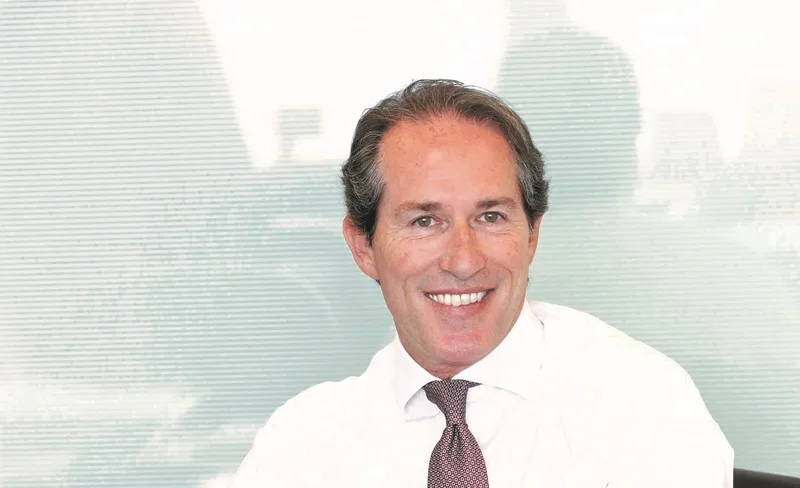
Among the speakers at Venice Climate Week 2026, Fabio Fritelli (Managing Director of Nextchem) emphasized how innovation, investment and industrial models can accelerate the sustainable transformation of ocean-based industries.
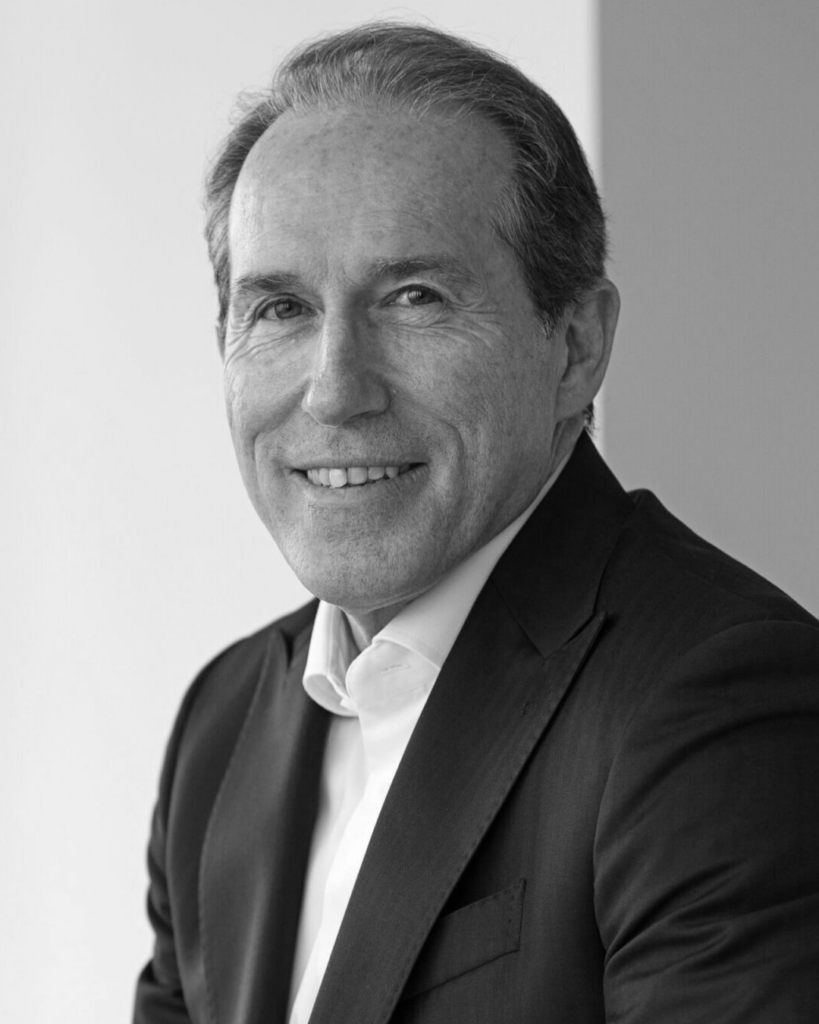
Fabio Fritelli on the future of the maritime sector at Venice Climate Week
Fabio Fritelli, Managing Director of Nextchem at MAIRE, was among the speakers at Venice Climate Week 2026. At the event, he brought an industrial and financial perspective on the decarbonization of the maritime sector, which is considered central to the global energy transition. During his speech, the manager outlined how innovation, investment and industrial models can accelerate the sustainable transformation of ocean-based industries. This is the exact vision that guides Nextchem, the innovation hub of the the Italian multinational leader in engineering and developing technological solutions for the evolution of the energy industry, which operates with a corporate ethos blending a rigorous engineering approach with a broader humanistic perspective. An outlook that is epitomized in the motto “Planet Aqua, Planet Peace”, reflecting the growing awareness that the sea has re-emerged as a critical focal point on the geopolitical stage, sitting squarely at the intersection of economic development and environmental sustainability. The marine domain is viewed not only as a space of coexistence and debate, but also as a living laboratory for ongoing technological progress. The company’s work in the maritime sector is rooted in an open, multi-solution approach. This strategy relies on a supply chain that leverages low-carbon methanol, hydrogen and ammonia, three essential energy carriers designed to advance low-carbon shipping. These efforts run parallel to advanced mechanical and chemical recycling technologies, which are vital for addressing another pressing maritime emergency: plastic pollution. Across all these fronts, Nextchem merges engineering, chemistry, and sustainability to translate climate targets into scalable industrial solutions utilizing technologies already within reach. Fabio Fritelli’s contribution to Venice Climate Week hence fitted seamlessly into the current shifting landscape by offering far more than mere technological expertise and delivering a concrete industrial strategy. Daily engagement with sector challenges demonstrates in fact that industrial transformation does not occur through sudden leaps, but through a deliberate, structured journey of technological choices, deep integration and realistic timelines. There is no single silver bullet, but rather a steadfast commitment to integrating existing technologies effectively.
Fabio Fritelli’s career
After earning a degree in Business Administration from the University of Rome, Fabio Fritelli completed an Executive MBA at INSEAD in Fontainebleau, France. This dual grounding in economics and international management established the bedrock for a professional journey centered on finance and corporate strategy. Prior to his tenure at the MAIRE Group, he built a robust background in financing major global infrastructure, working closely with top-tier financial institutions and multinational corporations in corporate finance and business development. These positions allowed him to bridge financial analytics with the high-level vision essential for executing complex, cross-border projects. Within MAIRE, Fabio Fritelli has advanced through key leadership roles. Serving initially as Chief Financial Officer, he helped shape the Group’s financial architecture and strengthened its global standing. Later, as Chairman of MET Development, he directed the strategic planning and delivery of large-scale initiatives. Driven by a deep commitment to innovation and sustainability, he was appointed to head Nextchem, MAIRE’s dedicated vehicle for deploying advanced technologies to drive the energy transition. Believing firmly in the synergy between people, skills and opportunities, he steers Nextchem toward cementing the Group’s status as a leader in industrial transformation and climate action.