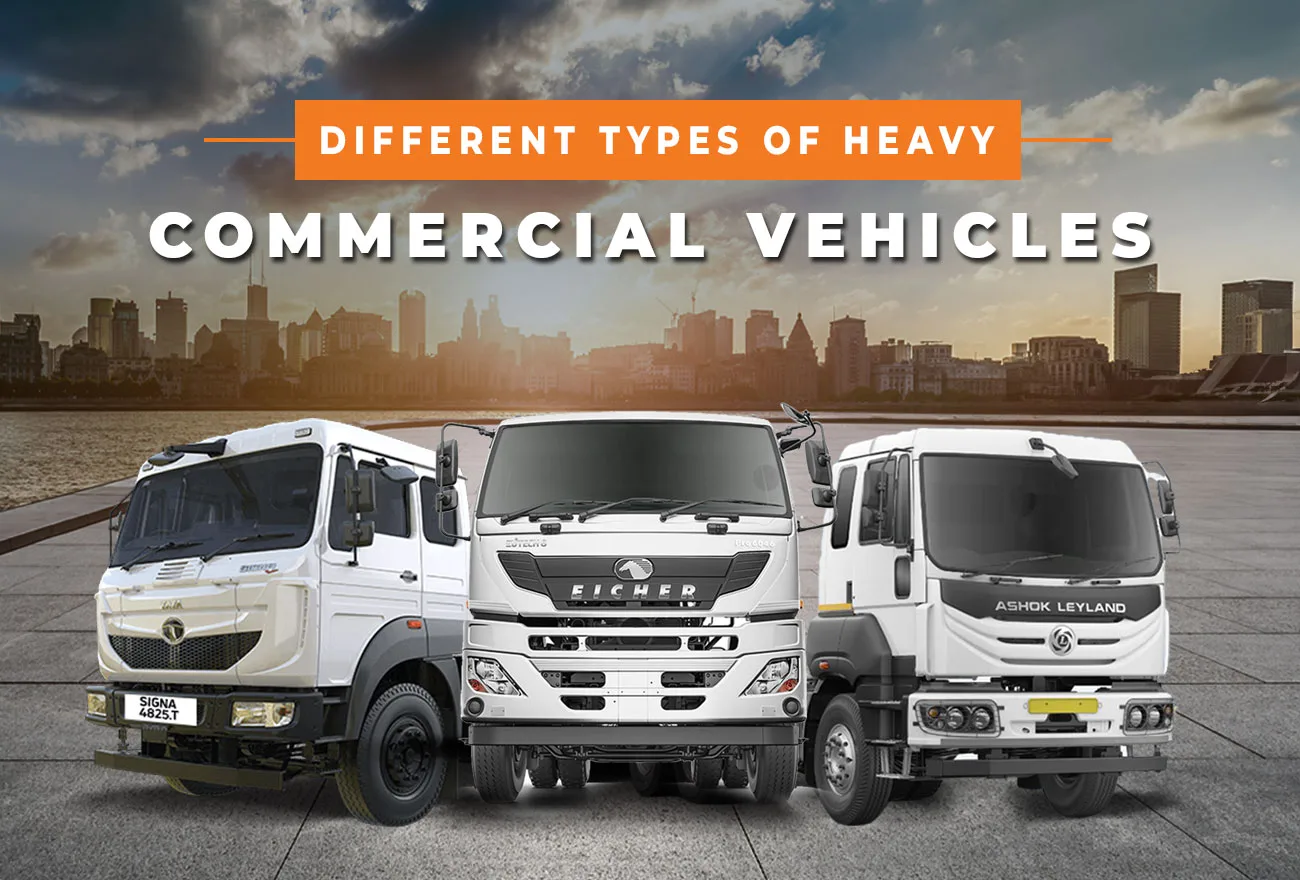
In a number of sectors, such as construction, mining, logistics, and agriculture, heavy commercial vehicles (HCVs) are essential. These vehicles have strong engines, sturdy construction, and the ability to transport huge cargo because they are made for heavy-duty jobs. Let's examine the several HCV varieties on the market to aid you comprehend their distinct functions and qualities.
Visit Us:- Exploring the Types of Heavy Commercial Vehicles
Heavy commercial vehicles (HCVs) play a crucial role in driving economic growth by supporting logistics, construction, and large-scale transportation. These powerful machines are designed to carry substantial loads over long distances, making them essential for industries that rely on efficient movement of goods and materials. Understanding the different types of heavy commercial vehicles can help businesses choose the right option for their operational needs.
One of the most common types of heavy commercial vehicles is the truck. These include rigid trucks and articulated trucks. Rigid trucks have a fixed chassis and are typically used for local deliveries, while articulated trucks, also known as tractor-trailers, are ideal for long-haul transportation due to their flexibility and higher load capacity. These vehicles are widely used in industries such as retail, manufacturing, and agriculture.
Another important category is tippers or dump trucks. These vehicles are mainly used in construction and mining sectors. They are equipped with a hydraulic system that allows the cargo bed to tilt and unload materials like sand, gravel, or debris quickly. Their efficiency in handling bulk materials makes them indispensable on construction sites.
Tankers are also a vital type of heavy commercial vehicle. Designed to transport liquids such as fuel, chemicals, milk, or water, tankers are built with specialized containers to ensure safe and secure delivery. They are commonly used in industries like petroleum, chemical manufacturing, and food processing.
Trailers are another versatile category. They are non-motorized units that are towed by a tractor unit and come in various types, including flatbed trailers, refrigerated trailers, and container trailers. Each type serves a specific purpose, such as carrying perishable goods or oversized cargo.
Additionally, buses fall under the category of heavy commercial vehicles. These are designed to transport a large number of passengers and are commonly used for public transport, school services, and tourism. Modern buses are equipped with advanced safety and comfort features, making them reliable for long-distance travel.
In conclusion, heavy commercial vehicles are the backbone of many industries, offering diverse solutions for transportation and logistics. By understanding the different types, businesses can make informed decisions and improve efficiency in their operations.