The cargo shipping industry is a cornerstone of global trade, responsible for the movement of goods across oceans, skies, and land. This sector enables international commerce, supports supply chains, and ensures goods reach consumers worldwide. Let’s dive into the key aspects of the cargo shipping industry, its significance, and the emerging trends shaping its future.
The Role of Cargo Shipping
Cargo shipping is indispensable to the global economy. It facilitates the transportation of a diverse range of goods, from raw materials and consumer products to machinery and perishables. The industry operates through complex logistics, port operations, and supply chain management, which collectively ensure goods are delivered on time and efficiently.
The International Maritime Organization (IMO) reports that more than 80% of global trade by volume is carried by sea, underscoring the importance of shipping to the world’s economic infrastructure.
Different Types of Cargo Shipping
There are several types of cargo shipping, each suited for specific goods. The main types include:
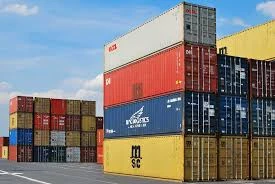
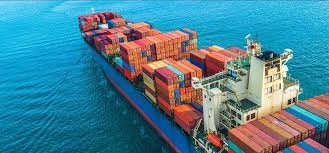
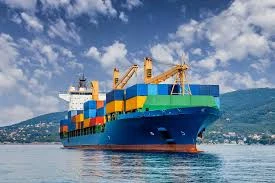
- Container Shipping: This is the most common form of cargo transportation. Containers are used to ship a variety of goods, from electronics to clothing. Container ships are designed for large-scale cargo, and containerization has greatly streamlined the loading and unloading processes.
- Bulk Shipping: Bulk carriers are used to transport massive quantities of raw materials like oil, coal, and grains. Unlike container ships, bulk carriers transport goods in their raw form, without containers.
- Roll-on/Roll-off (RoRo) Shipping: RoRo ships are designed to carry wheeled cargo, such as vehicles and heavy machinery. These goods are driven on and off the ship at ports.
- Reefer Shipping: These ships are equipped with refrigerated units, making them ideal for transporting perishable items like food and pharmaceuticals that require controlled temperatures.
Major Players in the Shipping Industry
The cargo shipping industry is dominated by a few large companies, although numerous smaller and regional players also contribute significantly. Some of the world’s biggest shipping lines include:
- Maersk Line: The largest container shipping company globally, Maersk has an extensive fleet serving over 130 countries.
- Mediterranean Shipping Company (MSC): MSC is another leading container shipping company, known for its global reach and service reliability.
- CMA CGM Group: Based in France, CMA CGM is among the top container shipping lines, focusing on innovation and sustainability.
These major carriers, along with regional companies, offer specialized services tailored to different cargo needs.
Challenges in the Cargo Shipping Industry
While crucial to global trade, the cargo shipping industry faces a number of challenges:
- Fuel Price Fluctuations: The cost of fuel is one of the biggest operational expenses in shipping, and changes in fuel prices can significantly impact shipping costs. Shipping companies are increasingly exploring energy-efficient solutions to reduce fuel consumption.
- Environmental Impact: The shipping industry is a significant source of CO2 emissions, raising concerns about its environmental footprint. Global regulatory bodies like the IMO are pushing for stricter emissions standards and the adoption of cleaner technologies, such as LNG-powered ships.
- Supply Chain Interruptions: The COVID-19 pandemic exposed vulnerabilities in the global supply chain, resulting in port congestion, container shortages, and labor issues. These disruptions continue to affect the industry.
- Security Risks: Piracy and theft, particularly in high-risk areas like the Gulf of Aden and the Strait of Malacca, remain a concern. Shipping companies invest heavily in security to protect their vessels and cargo.
Emerging Trends in Cargo Shipping
The cargo shipping industry is evolving, and several trends are shaping its future:
- Digitization and Automation: Technology is transforming the shipping industry, with digital tools improving efficiency. Blockchain is being used to secure transactions, while automation in port operations and the development of autonomous ships are becoming more common.
- Sustainability Efforts: With growing environmental concerns, the industry is focusing on sustainability. Shipping companies are investing in green technologies such as wind-assisted propulsion, alternative fuels, and energy-efficient ship designs.
- Booming E-commerce: The rise of e-commerce has increased the demand for fast and reliable shipping services. Consumers expect quicker deliveries, prompting innovations such as drones, smart containers, and advanced logistics systems.
- Building Supply Chain Resilience: Companies are increasingly focused on creating more resilient supply chains to minimize disruptions. This includes diversifying suppliers, improving inventory management, and using better tracking technologies.
Conclusion
The cargo shipping industry plays an essential role in global trade and economic development. Despite challenges such as fluctuating fuel prices, environmental concerns, and supply chain disruptions, the industry is adapting through digitization, sustainability, and automation. As global trade continues to expand, cargo shipping will remain a key driver in the movement of goods worldwide.