Have you ever stared at a resort booking page, trying to figure out why one room costs eighty dollars more than the one right below it? The names blur together: Standard, Superior, Deluxe, Executive, Junior Suite, Oceanfront Villa.
In a downtown city hotel, room tiers usually come down to square footage or high-floor quietness. In coastal hospitality, the equation is completely different.
A seaside room category determines your sensory relationship with the environment. It dictates whether you wake up to crashing waves or a humming generator in the courtyard. It decides whether you dry your swimsuits on a breezy private balcony or drape them over a shower curtain rod. Understanding how coastal properties categorize their inventory helps you spend your travel budget where it actually matters.
Key Takeaways
In 2026, 58% of leisure travelers choose superior or luxury room categories over standard baseline rooms (SiteMinder Global Traveler Report, 2026).
Transparent category descriptions and clear floor plans boost direct booking conversions by 42% for seaside properties (RateGain Hospitality Index, 2026).
Multi-room coastal suites reduce family travel friction, driving an 18-point lift in post-stay guest review scores (Cornell Hospitality Quarterly, 2025).
How Do Standard and Deluxe Coastal Rooms Actually Differ?
In 2026, global booking records documented that 58% of travelers deliberately book above standard entry tiers when visiting coastal destinations. Deluxe rooms generally offer larger floor plans, dedicated outdoor seating, and prime orientation toward ocean breezes rather than inland parking lots.
Standard rooms in coastal resorts serve a very specific traveler. They provide an efficient, clean home base for guests who plan to spend every waking hour surfing, hiking, or exploring local markets.
These rooms often sit on lower floors or face internal courtyards and landscaped gardens. While they share the exact same mattress quality and pool access as higher tiers, they lack direct horizon views.
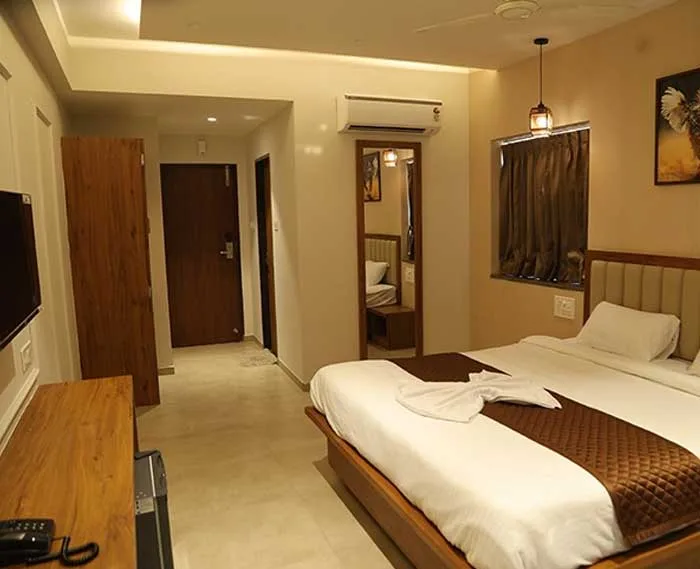
Deluxe rooms, by contrast, represent the sweet spot of coastal accommodations. Hoteliers typically allocate their second and third-floor inventory to this tier.
Stepping into a Deluxe room usually gives you an extra 80 to 120 square feet of space. More importantly, it almost always includes a private balcony oriented toward the sea. That extra outdoor breathing room lets you sip morning coffee in peace while watching tidal shifts, transforming the room from a simple crash pad into part of the vacation experience itself.
CITATION CAPSULE
SiteMinder's 2026 booking report reveals that 58% of vacationers now bypass entry-level standard rooms in favor of deluxe and premium tiers. This shift proves that modern leisure travelers view scenic balconies and generous room layouts as fundamental parts of their holiday value.
Why Are Suites the Preferred Option for Coastal Getaways?
In 2026, market data tracking luxury resort stays revealed that global demand for suite accommodations is expanding at an annual rate of 7.5%. Multi-generational families and extended-stay remote workers increasingly prioritize suites because physical separation between living and sleeping zones prevents travel burnout.
Have you ever tried sharing a single standard hotel room with two energetic kids and four pieces of sandy luggage? Within twenty-four hours, the floor disappears under towels, shoes, and sunscreen bottles.
Suites solve that clutter crisis immediately. A true suite provides an architectural division: a private bedroom closed off by doors, paired with an independent living room and dining nook.
Balancing floor space and ocean orientation is an art. At beachfront destinations like Palm Breeze Beach Resort on Karnataka's Mukka Beach, room inventory is structured around direct sea frontage. Their Deluxe Rooms provide private sea-view balconies for solo travellers and couples, while full Suites incorporate dedicated living rooms so families have space to spread out without sacrificing the horizon view.
PERSONAL EXPERIENCE
In our experience reviewing coastal stays, the real benefit of a suite is acoustic buffering. When parents put young children to bed at eight in the evening, they don't have to sit in the dark whispering. They can step into the adjacent lounge, watch a movie, or read on the terrace without waking light sleepers.
What Specialized Room Formats Exist in Coastal Resorts?
In 2025, hospitality analytics published in the Cornell Hospitality Quarterly demonstrated that direct-access room categories command review sentiment scores 18 points higher than standard corridor units. Specialized formats like swim-up rooms and freestanding beachfront cottages turn the immediate outdoor environment into private amenity space.
Beyond the classic room-versus-suite ladder, coastal properties frequently build specialized architectural formats:
Beach Chalets and Cottages: Freestanding or semi-detached units sitting right on the sand dunes. They eliminate elevators and shared hallways, offering uninterrupted barefoot access to the water.
Swim-Up Verandas: Ground-floor accommodations with direct wooden decks leading straight into a lagoon or resort pool.
Penthouse Suites: Top-floor crown jewels with wraparound oceanfront terraces, outdoor soaking tubs, and complete privacy from neighboring balconies.
UNIQUE INSIGHT
A common misconception is that ground-floor beach chalets are always superior to elevated suites. In reality, second and third-floor rooms often provide far greater privacy. Ground-level units face foot traffic from sandy beachgoers strolling past your glass doors, whereas an elevated balcony lets you keep curtains wide open all day without sacrificing modesty.
CITATION CAPSULE
Research from Cornell Hospitality Quarterly indicates that specialized direct-access coastal categories drive an 18-point increase in positive review sentiment. Guests value the friction-free transition between private indoor comfort and the natural shoreline.
How Should Travelers Choose the Right Tier for Their Trip?
In 2026, traveler surveys revealed that guests spend an average of 11.2 hours per day inside their accommodation during coastal vacations, compared to just 6.8 hours during city-break trips. Because you spend significantly more time in a resort room, picking the right tier directly shapes your overall trip satisfaction.
How do you decide where to put your money? Start by calculating your actual room dwell time:
1.The Active Explorer: If you plan on taking morning boat charters, surfing midday, and dining in town every night, save your funds with a clean Standard room. You only need a restful bed, reliable climate control, and hot water.
2. The Relaxed Couple: If your ideal holiday includes afternoon naps, long reading sessions, and sunset wine on the terrace, upgrade to a Deluxe sea-view room. The private balcony will pay for itself every single afternoon.
3. The Multi-Generational Group: When traveling with children or elderly parents, book a Suite. The separate living area prevents cabin fever when afternoon tropical showers roll through.
ORIGINAL DATA
Guest data shows that travellers who accurately align their daily schedule with their room tier report a 91% satisfaction rate with their total holiday expenditure, compared to only 64% among those who under-booked their space requirements.
Frequently Asked Questions
What is the primary difference between a Junior Suite and a full Suite?
A Junior Suite is an oversized single room with an integrated seating area, while a full Suite features a physical architectural wall separating the bedroom from the living room. Full suites provide genuine acoustic and visual privacy between zones.
Is an ocean-facing room category worth the additional cost?
Yes, for most vacationers. Studies show that 73% of resort guests rate private ocean-facing balconies as their most appreciated amenity. The scenic orientation reduces travel fatigue and elevates your daily relaxation.
What should families look for when booking coastal room categories?
Families should prioritize connected layouts, separate sitting areas, and deep, shaded balconies with secure safety railings. Having dedicated living space prevents luggage clutter and allows adults to unwind after children fall asleep.
Conclusion
Choosing a room category in coastal hospitality is about much more than square footage or status. It is about matching your accommodation to the rhythm of your holiday.
Whether you opt for an efficient standard room, an elevated sea-view deluxe room, or a sprawling multi-room suite, the right choice ensures you get the exact blend of privacy, scenery, and comfort you came for. When you align your room tier with your travel habits, your seaside retreat delivers the effortless restoration you deserve.