
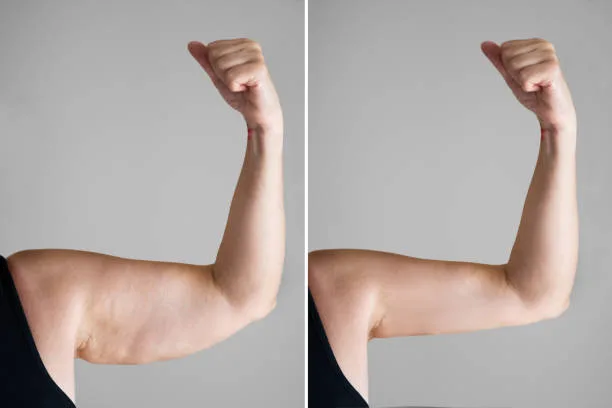
Understanding Stubborn Arm Fat
Many people work hard to maintain a healthy lifestyle through regular exercise and balanced nutrition, yet still find that certain areas of the body retain unwanted fat. One of the most common concerns is excess fat around the upper arms. Even with consistent strength training, cardio workouts, and mindful eating habits, some individuals notice that their arms do not respond as quickly as other parts of the body. This can be frustrating and may lead people to explore various arm fat removal and body contouring options designed to address these specific concerns.
Why Arm Fat Can Be Difficult to Reduce
The human body stores fat differently from person to person. While some individuals tend to accumulate fat around the abdomen or thighs, others may naturally carry more fat in their upper arms. This variation is influenced by a combination of genetics, hormonal factors, age, and overall body composition.
Genetics play a major role in determining where fat is stored. If members of your family tend to have fuller upper arms, you may be more likely to experience the same pattern. Hormonal changes can also affect fat distribution, particularly during different stages of life. In addition, aging often leads to changes in muscle mass, skin elasticity, and metabolism, which can contribute to the appearance of excess fullness in the arms.
Because these factors are largely outside an individual's control, reducing arm fat through lifestyle changes alone may not always produce the desired level of contouring or definition.
Factors Commonly Evaluated
When considering arm contouring options, several important factors are typically assessed to determine the most appropriate approach and expected outcome.
These factors may include:
- The amount of excess fat present in the upper arms
- The quality, firmness, and elasticity of the skin
- Overall body proportions and symmetry
- Individual aesthetic goals and expectations
- Recovery considerations and lifestyle requirements
- Existing health conditions that may influence treatment planning
A thorough evaluation helps create a realistic understanding of what may be achievable and ensures that treatment decisions are aligned with personal goals.
The Role of Body Contouring
Body contouring procedures are generally intended to target localized fat deposits that may be resistant to traditional weight management efforts. These procedures are not designed as a substitute for weight loss. Instead, they focus on refining body shape and improving proportion in specific areas.
For individuals concerned about the appearance of their arms, body contouring may help create a more balanced and sculpted look. The goal is often to enhance natural contours while maintaining harmony with the rest of the body. Results can vary depending on factors such as skin quality, body composition, and individual healing characteristics.
Looking at the Bigger Picture
When exploring arm shaping or body contouring options, it is important to view them as part of a broader approach to personal wellness and appearance. Long term results are typically supported by maintaining a stable weight, staying physically active, and following healthy lifestyle habits.
Equally important is having realistic expectations. While body contouring can improve shape and definition, it cannot completely change an individual's natural anatomy. Understanding both the possibilities and limitations of these procedures helps individuals make informed decisions and feel more confident throughout the process.
By considering overall health, personal goals, and long term maintenance, individuals can better understand how arm contouring procedures may fit into their broader body contouring journey and support their desired aesthetic outcomes.