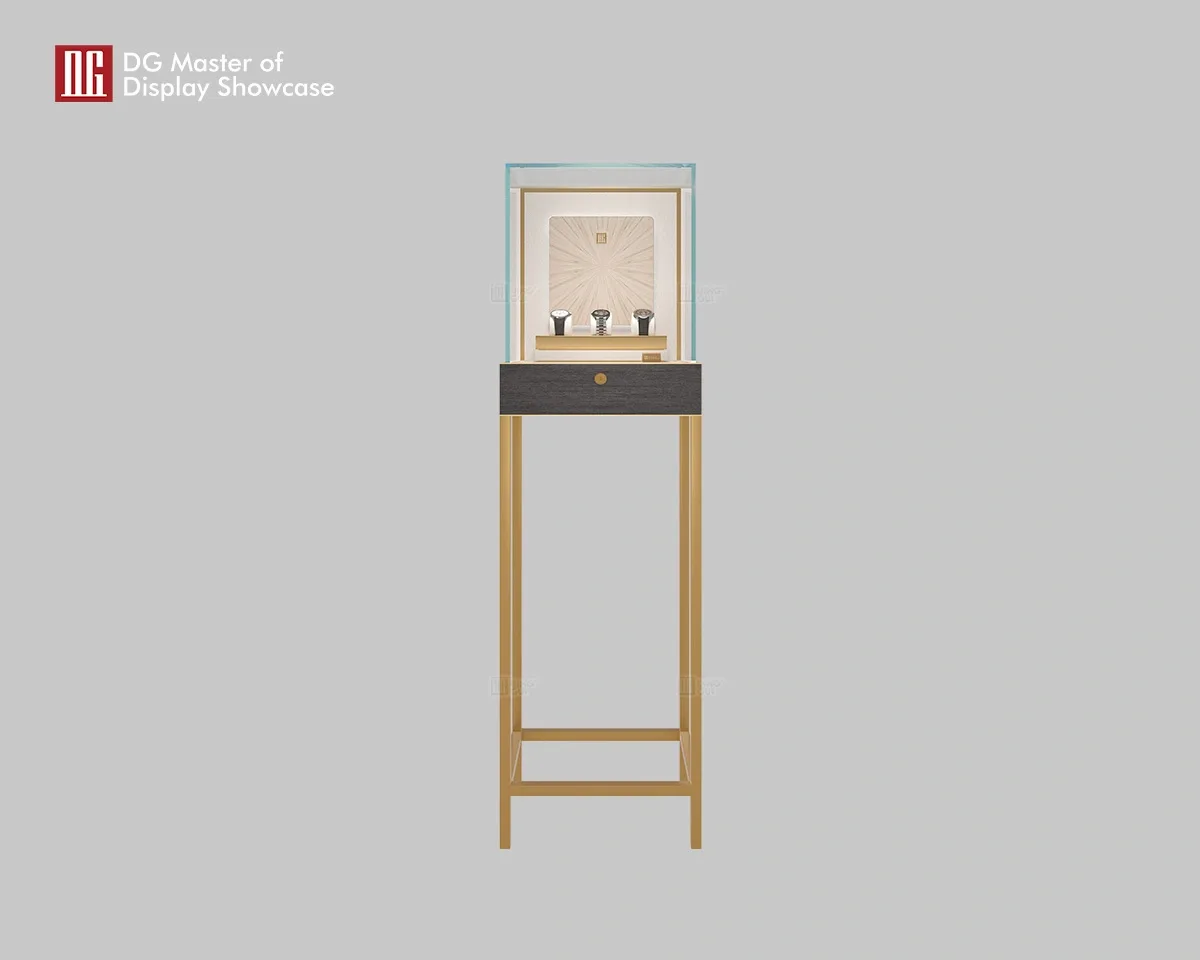
Creating a high-end watch store display is part art, part science, and a whole lot of attention to detail. Anyone can place watches on a shelf, but making them feel like treasures worth thousands of dollars takes careful thought about space, light, texture, and flow. DG Display Showcase has worked with retailers across a wide range of markets, and their collective experience points to a handful of principles that consistently separate memorable stores from forgettable ones. The tips below are drawn from that hands-on knowledge and are meant to help store owners and designers build displays that feel genuinely premium from the moment a customer walks through the door.
Let the Watches Breathe Rather Than Crowd Them
One of the fastest ways to make expensive watches look cheap is to pack them too tightly together. When cases are shoulder to shoulder, the eye has nowhere to rest, and each individual piece loses its identity. High-end retail relies on negative space. Leaving generous gaps between watches, and between display tiers, signals confidence and exclusivity. It tells the customer that each piece deserves its own moment of attention. DG Display Showcase frequently advises clients to reduce the number of watches shown per case by twenty to thirty percent, because the resulting increase in perceived value almost always outweighs the loss of visible inventory.
Use Height and Layering to Create Visual Drama
Flat, single-level displays are easy to build but rarely exciting. Introducing height variations turns a plain shelf into a stage. Raised platforms, angled ramps, and stepped risers guide the customer's eye from one piece to the next in a deliberate sequence. A tall centerpiece watch can anchor the arrangement while smaller pieces sit at lower levels around it, creating a composition rather than a row. This technique works especially well in window displays, where passersby only have a few seconds to be drawn in. DG Display Showcase offers tiered and angled components specifically for this purpose, allowing retailers to build depth without custom fabrication.
Choose Colors That Complement, Not Compete
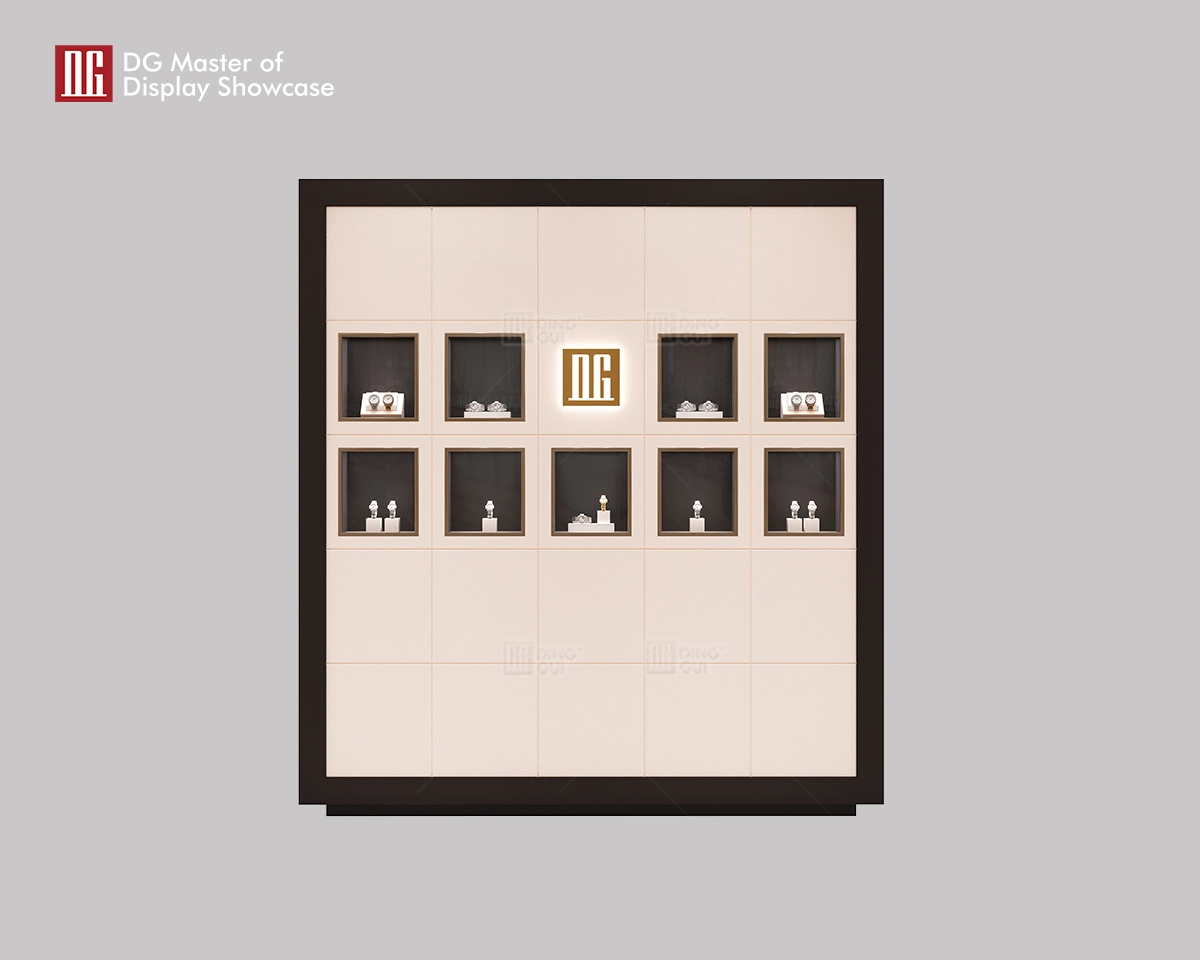
The color palette of your display should serve the watches, never overshadow them. Neutral tones like charcoal, cream, deep navy, and soft grey tend to work best because they let the metals and dials stand out. Bright reds, oranges, or busy patterns can clash with certain watch faces and confuse the eye. Texture also plays a role here. Matte finishes reduce glare and create a calm backdrop, while subtle suede or velvet surfaces add a tactile sense of luxury. Before committing, place a few of your actual watches against sample materials to see how the colors interact under your store's lighting.
Guide the Customer's Eye With a Clear Focal Point
Every high-end display should have a hero. This is the piece you most want customers to notice, whether it is a limited edition, a new arrival, or your highest-margin model. Position it at eye level, give it slightly more space, and light it a touch more brightly than everything else. Surrounding items should support it rather than compete with it. Without a focal point, shoppers tend to scan passively and move on. With one, they stop, lean in, and start asking questions, which is exactly where the sales conversation begins.
Keep Maintenance and Cleaning in Mind From Day One
A display that looks stunning on installation day but is a nightmare to clean will lose its shine quickly. Dust, fingerprints, and smudges accumulate fast in retail environments, especially on glass and glossy surfaces. Choose materials that wipe down easily and avoid intricate crevices where dirt hides. Removable trays and lift-out inserts make it far simpler for staff to refresh arrangements during the day. DG Display Showcase designs many of their units with accessible interiors and smooth surfaces, recognizing that a display only stays premium if it is easy to keep that way.
Align the Display With Your Overall Store Atmosphere
A watch display never exists in isolation. It sits within a room that has its own flooring, wall color, music, and scent. If the display feels disconnected from its surroundings, the whole experience feels off. A brushed steel and glass case might look perfect in a modern minimalist store but jarring in a wood-paneled heritage boutique. Take photos of your space before ordering fixtures, and consider how the display will look from multiple angles and distances. DG Display Showcase encourages clients to think of displays as part of a complete environment rather than standalone furniture.
Test, Observe, and Refine Over Time
No display arrangement is perfect on the first try. The most successful retailers treat their displays as living things, adjusting them based on what they observe. Watch where customers pause, which pieces they pick up, and which areas they walk past without a glance. Small changes, like rotating a case ninety degrees or swapping a background color, can produce surprising shifts in engagement. DG Display Showcase's modular designs make this kind of experimentation practical, letting retailers refine their presentation continuously instead of waiting for a full store renovation to make improvements.