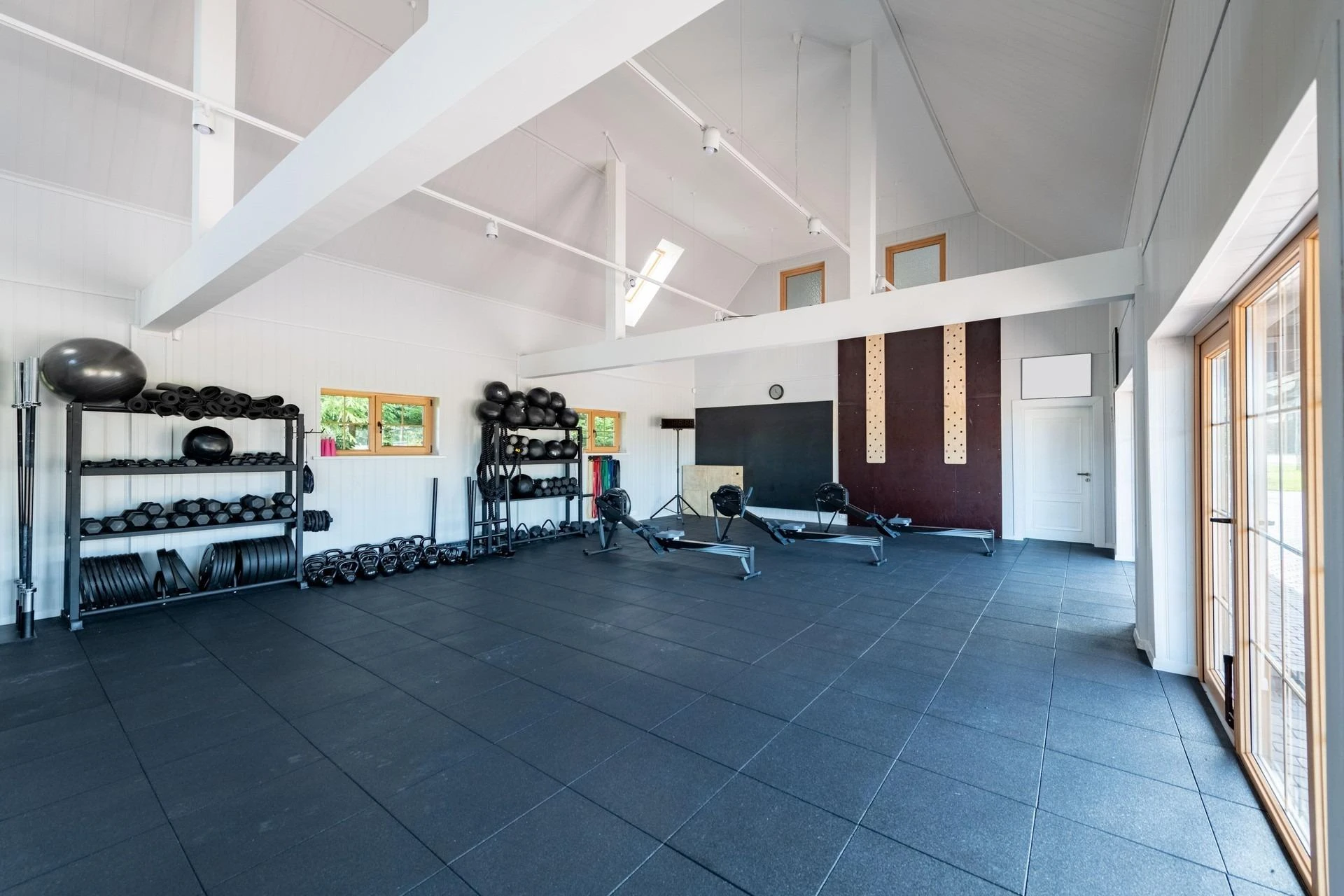
Designing a high-performing fitness facility requires strategic planning, not just equipment selection. A professional gym layout planner plays a crucial role in creating efficient commercial gym floor plans that enhance user experience, safety, and operational success. Whether you’re launching a new fitness center or upgrading an existing one, a well-structured layout is the foundation of a successful gym.
Why a Gym Layout Planner Is Essential
A gym is a dynamic space with multiple users performing different activities simultaneously. Without proper planning, the facility can quickly become overcrowded and inefficient. A gym layout planner ensures that every element of the space is optimized for both functionality and comfort.
Key advantages include:
- Better space utilization
- Improved traffic flow
- Enhanced safety and compliance
- Increased member satisfaction
- Higher retention and engagement
Professional planning helps avoid costly mistakes and ensures a smooth gym experience for users.
Understanding Commercial Gym Floor Plans
Commercial gym floor plans are detailed layouts that define how different areas of a fitness facility are organized. These plans ensure that all zones are properly structured and easily accessible.
An effective commercial gym floor plan includes:
- Clearly defined workout zones
- Logical equipment placement
- Safe and accessible pathways
- Adequate spacing between machines
- Compliance with safety regulations
A well-designed floor plan acts as a blueprint for both construction and daily operations.
Key Elements of an Effective Gym Layout
1. Functional Zoning
Dividing the gym into dedicated areas improves organization and usability. Common zones include:
- Cardio area
- Strength training section
- Free weights zone
- Functional training space
- Stretching and recovery area
- Group fitness or studio rooms
Zoning helps reduce congestion and allows members to focus on specific workouts.
2. Efficient Traffic Flow
Smooth movement between zones is critical, especially during peak hours. A gym layout planner ensures that pathways are clear and intuitive, minimizing disruptions.
3. Equipment Placement and Spacing
Proper spacing between equipment is essential for safety and comfort. Overcrowded layouts can lead to accidents and a poor user experience.
4. Safety and Compliance
Commercial gym floor plans must meet safety standards, including:
- Emergency exits
- Non-slip flooring
- Proper ventilation
- Adequate lighting
A safe environment protects both users and business owners.
5. Flexibility and Multi-Use Areas
Modern gyms benefit from adaptable spaces that can serve multiple purposes, such as group classes, personal training, or functional workouts.
Customizing Commercial Gym Floor Plans
Every gym has unique requirements. A gym layout planner customizes the design based on:
- Available space and layout
- Target audience (beginners, athletes, corporate users)
- Type of fitness services offered
- Budget and equipment selection
- Future expansion needs
Customization ensures that the gym meets both business goals and user expectations.
The Role of Technology in Gym Planning
Technology is transforming how gyms operate. Modern commercial gym floor plans often include:
- Smart fitness equipment with performance tracking
- Digital check-in systems
- Virtual training zones
- Integrated audio-visual setups
These features enhance user engagement and improve operational efficiency.
Common Mistakes to Avoid
Without professional planning, gym owners may encounter several issues:
- Overcrowded equipment layouts
- Poor traffic flow
- Lack of clear zoning
- Ignoring user demographics
- Inadequate lighting or ventilation
A gym layout planner helps prevent these mistakes and ensures a balanced design.
Benefits of Well-Planned Commercial Gym Floor Plans
Investing in expert planning offers long-term benefits:
- Improved member experience
- Increased safety and compliance
- Better space efficiency
- Stronger brand image
- Higher profitability
A well-designed gym encourages consistent usage and builds customer loyalty.
Future Trends in Gym Layout Planning
The fitness industry continues to evolve, and gym layouts are adapting to new trends such as:
- Hybrid fitness spaces combining physical and digital training
- Wellness zones for recovery and relaxation
- Compact and multi-functional equipment
- Sustainable and eco-friendly designs
A forward-thinking gym layout planner ensures your facility stays modern and competitive.
Conclusion
A professional gym layout planner is essential for creating efficient and effective commercial gym floor plans. From zoning and equipment placement to safety and technology integration, every detail plays a role in shaping the user experience.
By investing in expert planning, businesses can build fitness facilities that are functional, engaging, and future-ready. A well-designed gym is more than just a workout space—it is a strategic asset that drives growth, satisfaction, and long-term success.
Frequently Asked Questions (FAQ)
1. What does a gym layout planner do?
A gym layout planner designs and organizes fitness spaces to ensure optimal functionality, safety, and user experience.
2. Why are commercial gym floor plans important?
They help maximize space, improve safety, and create a smooth and enjoyable workout environment.
3. Can small gyms benefit from professional planning?
Yes. Even small spaces can be optimized effectively with the right layout design.
4. What are the key elements of a gym layout?
Zoning, traffic flow, equipment placement, safety, and flexibility are essential components.
5. How long does it take to create a gym floor plan?
The timeline varies depending on the project but typically ranges from a few weeks to a few months.
6. Is technology important in gym design?
Yes. Smart equipment and digital systems enhance both user experience and operational efficiency.
7. Can gym layouts be updated in the future?
Yes. Flexible designs allow for upgrades and adjustments as needs evolve.