A trade fair gives businesses a useful opportunity to meet potential customers, introduce new products, and build professional connections. However, a good event presence requires more than simply placing products inside a booth. The space needs to be planned around the brand, visitors, available area, and purpose of the event. Careful preparation can make the stand easier to use and more welcoming for guests.
Start With Clear Event Goals
Before any design work begins, decide what the stand should achieve. Some companies may want to generate leads, while others may focus on product demonstrations, meetings, or brand awareness. An Exhibition Stand Builder in Frankfurt can use these goals as a starting point when developing the layout and selecting suitable features for the space.
Understand the Exhibition Space
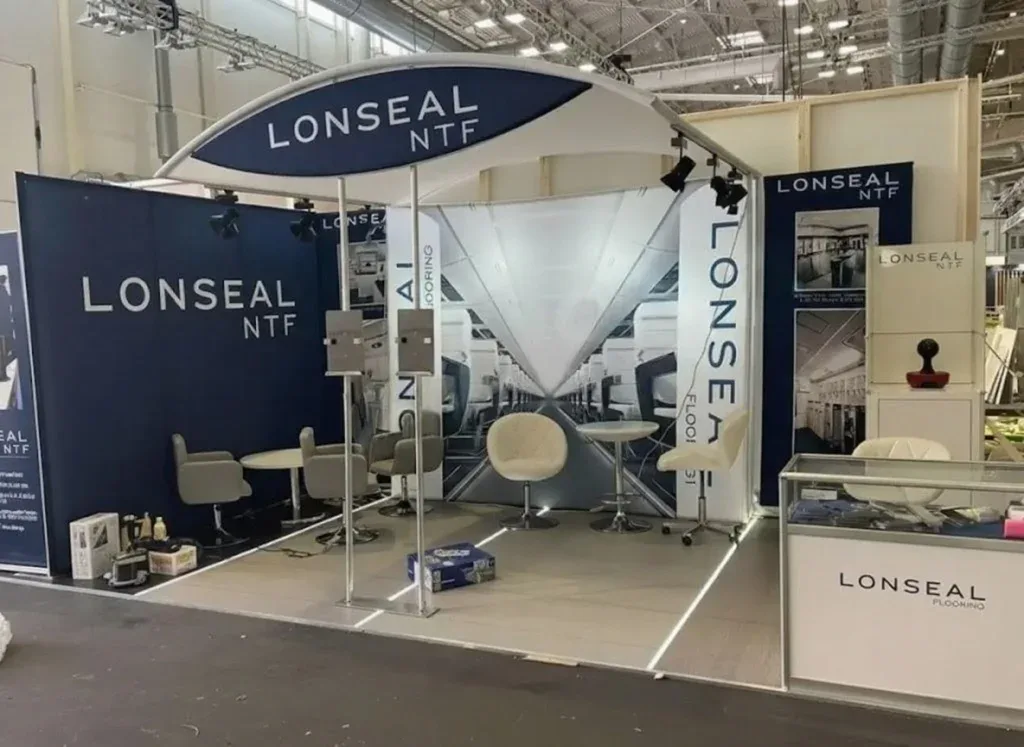
Every exhibition venue has its own floor plans, access points, height restrictions, and technical requirements. Knowing the exact dimensions of the allocated area helps prevent problems during installation. It also allows the team to decide where displays, counters, seating areas, storage, lighting, and presentation screens should be positioned.
Plan the Visitor Journey
Visitors should be able to understand the stand without feeling confused about where to go. A simple layout can create a natural movement from the entrance toward product displays, information areas, and meeting spaces. Open pathways are particularly useful because they allow people to enter comfortably while giving staff enough room to interact with visitors.
Choose a Practical Layout
The layout should match the type of business and the activities planned for the event. A company demonstrating equipment may require more open floor space, whereas a service provider might need private discussion areas. Working with an exhibition booth builder in Frankfurt can help businesses balance presentation areas with practical requirements such as storage and seating.
Keep the Brand Easy to Recognise
Branding should be visible without making the stand feel overcrowded. Logos, colours, graphics, product images, and short messages can be arranged across important viewing points. Visitors walking through a busy exhibition hall should be able to identify the company quickly and understand what it offers from a reasonable distance.
Give Products Enough Attention
Products need adequate space to be seen and explored. Placing too many items together can make displays difficult to understand. Instead, select the products or services that deserve the most attention and give them suitable positions. Shelves, counters, display walls, and demonstration areas can then be arranged around these priorities.
Consider Lighting Carefully
Lighting affects how a stand looks throughout the event. General lighting can make the space comfortable, while focused lights can draw attention to important products, graphics, or demonstration points. The choice should also consider the colour and material of the stand so that the overall appearance remains balanced rather than excessively bright.
Add Useful Meeting Areas
Business events often involve conversations that require a quieter setting. Depending on the available space, a stand may include a small meeting table, enclosed room, or semi-private discussion area. These spaces can support detailed product conversations while keeping the main exhibition area open and accessible to passing visitors.
Include Convenient Storage
Storage is an easy feature to overlook during the planning stage. Promotional materials, staff belongings, packaging, spare products, and other supplies all need somewhere to go. Built-in cupboards or concealed storage can keep these items out of sight and prevent the public areas from becoming cluttered during a busy exhibition day.
Use Technology With Purpose
Screens, touch displays, product videos, and interactive presentations can add useful information to an exhibition stand. However, technology should have a clear purpose rather than being included simply for decoration. A short product demonstration or interactive presentation can be more useful than several screens showing unrelated information.
Think About Stand Materials
Materials influence both appearance and practicality. Wood, metal, fabric, acrylic, graphics, and other finishes can be combined according to the desired look and budget. The materials should also be suitable for transportation, installation, and dismantling. Good planning helps create an attractive space without making the construction unnecessarily complicated.
Review the Design Before Construction
A design should be reviewed carefully before production begins. Check the graphics, measurements, furniture positions, electrical requirements, storage areas, and visitor pathways. This stage gives the business an opportunity to identify changes while they are still easier to make. Blueprint Exhibits works with businesses to turn planned concepts into exhibition spaces suited to their event requirements.
Consider the Overall Visitor Experience
A successful stand should feel comfortable from the moment a visitor approaches it. Clear information, accessible displays, friendly staff areas, suitable seating, and logical movement can all contribute to a better experience. The design should support conversations naturally rather than creating barriers between visitors and the business team.
Explore Suitable Design Ideas
Businesses can review different exhibition stand design in Frankfurt before settling on a concept. Looking at previous layouts can help identify useful ideas for graphics, product presentation, lighting, storage, and meeting areas. The final design should still reflect the company's own identity instead of simply copying another exhibition space.
Prepare for Installation
Planning does not finish when the design is approved. Installation schedules, transport, venue regulations, electrical connections, furniture delivery, and dismantling arrangements should also be considered. Having these details organised in advance can reduce last-minute difficulties and allow the team to concentrate on visitors once the event begins.
Set a Realistic Budget
A clear budget helps control decisions throughout the project. Construction, graphics, lighting, furniture, technology, transportation, installation, and storage may all affect the final cost. Businesses should identify essential features first and then consider optional additions. This approach makes it easier to create a useful exhibition environment without unnecessary spending.
Conclusion
Planning a stand for a business event in Frankfurt requires attention to both appearance and practical use. From understanding the venue and defining event goals to arranging products, meetings, lighting, branding, and storage, every detail can influence how visitors experience the space. A well-planned stand gives staff a comfortable working environment while providing visitors with clear reasons to stop, explore, and start a conversation. With thoughtful preparation and support from an experienced team such as Blueprint Exhibits, businesses can develop an exhibition space that suits their objectives and event requirements.
Contact us: +48 662 233 749
E-mail : [email protected]
#exhibitionstandbuilder #exhibitionstanddesign #boothconstruction #boothbuilder #exhibitioncontractor #exhibitionstandconstruction #standconstruction