
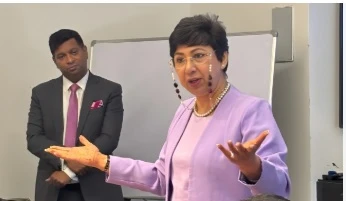
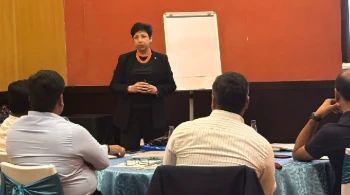
In today’s fast-paced corporate environment, effective communication is the foundation of successful leadership. Whether you are leading a team, presenting ideas, or negotiating with stakeholders, the ability to communicate clearly and confidently can set you apart. This is where an executive coach plays a transformative role. By refining how professionals express themselves, an executive communication coach helps unlock leadership potential and drive meaningful impact.
Alongside coaching, structured leadership training programs further strengthen communication skills by providing practical frameworks and real-world applications. Together, these tools empower professionals to master communication and excel in their careers.
Understanding the Role of an Executive Communication Coach
An executive coach is a specialist who works with professionals to improve how they communicate in high-stakes environments. Unlike general communication training, executive coaching is personalized and tailored to individual goals, challenges, and leadership styles.
The primary focus areas include:
- Verbal and non-verbal communication
- Public speaking and presentations
- Active listening and feedback
- Persuasive communication
- Emotional intelligence
By addressing these areas, an executive coach helps individuals build clarity, confidence, and credibility in every interaction.
Why Communication is Critical for Leadership
Strong communication is not just a soft skill—it is a core leadership competency. Leaders are constantly required to share ideas, motivate teams, and align stakeholders. Poor communication can lead to misunderstandings, reduced productivity, and missed opportunities.
Through guidance from an executive communication coach, leaders can:
- Deliver messages with precision
- Build trust and rapport
- Inspire and influence others
- Handle difficult conversations effectively
Additionally, leadership training programs reinforce these skills by offering structured learning experiences that enhance communication in diverse scenarios.
Key Benefits of Working with an Executive Communication Coach
1. Clarity in Messaging
One of the biggest challenges professionals faces is conveying their ideas clearly. An executive communication coach helps you structure your thoughts and deliver messages in a concise and impactful way.
This clarity ensures that your audience understands your intentions and responds effectively.
2. Confidence in Speaking
Confidence is essential for effective communication. Whether you are speaking in a meeting or addressing a large audience, an executive communication coach helps you overcome hesitation and self-doubt.
Combined with insights from leadership training programs, you can develop the confidence needed to communicate with authority.
3. Improved Listening Skills
Communication is not just about speaking—it’s also about listening. An executive communication coach teaches active listening techniques that help you understand others better and respond thoughtfully.
This skill is essential for building strong relationships and resolving conflicts.
4. Mastery of Non-Verbal Communication
Body language, facial expressions, and tone of voice all contribute to how your message is perceived. An executive communication coach helps you align your non-verbal cues with your verbal communication.
This creates a consistent and powerful presence that enhances your credibility.
5. Enhanced Persuasion and Influence
Leaders often need to persuade others and gain buy-in for their ideas. An executive coach equips you with techniques to present arguments effectively and influence decision-making.
Participation in leadership training programs further strengthens these skills by exposing you to real-world scenarios and case studies.
6. Better Handling of Difficult Conversations
Difficult conversations are inevitable in any workplace. Whether it’s giving feedback or addressing conflicts, an executive communication coach helps you navigate these situations with confidence and empathy.
This leads to more constructive outcomes and stronger professional relationships.
The Role of Leadership Training Programs
While coaching provides personalized support, leadership training programs offer a broader perspective on communication and leadership development. These programs typically include workshops, group activities, and practical exercises.
Benefits of Leadership Training Programs:
- Exposure to diverse communication styles
- Opportunities for peer learning
- Structured frameworks for leadership development
- Hands-on practice in real-world scenarios
When combined with the guidance of an executive communication coach, these programs create a comprehensive learning experience.
How Executive Communication Coaching Works
The process of working with an executive communication coach typically involves several stages:
1. Assessment
The coach evaluates your current communication style, strengths, and areas for improvement.
2. Goal Setting
Clear and measurable goals are established based on your professional needs.
3. Skill Development
You work on specific skills such as presentation techniques, storytelling, and active listening.
4. Practice and Feedback
Regular practice sessions and constructive feedback help you refine your communication.
5. Continuous Improvement
Ongoing coaching ensures sustained growth and long-term success.
Who Can Benefit from an Executive Communication Coach?
An executive communication coach is beneficial for professionals at all levels, including:
- Senior executives
- Managers and team leaders
- Entrepreneurs and business owners
- Aspiring leaders
Anyone looking to improve their communication and leadership skills can benefit from coaching and leadership training programs.
Practical Tips for Clear and Confident Communication
Even without formal coaching, you can start improving your communication skills with these tips:
- Organize your thoughts before speaking
- Use simple and clear language
- Maintain eye contact and a confident body posture
- Listen actively and avoid interrupting
- Practice regularly to build confidence
These small steps can make a significant difference in how you communicate and connect with others.

The Future of Leadership Communication
As workplaces become more dynamic and global, the importance of effective communication continues to grow. Leaders must be able to adapt their communication styles to different audiences and situations.
An executive communication coach helps professionals stay ahead of these changes by developing adaptable and impactful communication skills. At the same time, leadership training programs provide ongoing learning opportunities that keep leaders relevant and effective.
Conclusion
Mastering clear and confident communication is essential for success in today’s professional world. An executive communication coach provides personalized guidance to help you refine your communication skills, build confidence, and enhance your leadership presence.
When combined with structured leadership training programs, this approach offers a powerful pathway to professional growth and success.
Investing in communication development is one of the most valuable steps you can take in your career. With the right support and guidance from experts like Coach Samira Gupta, you can unlock your full potential, communicate with impact, and lead with confidence in every aspect of your professional journey.