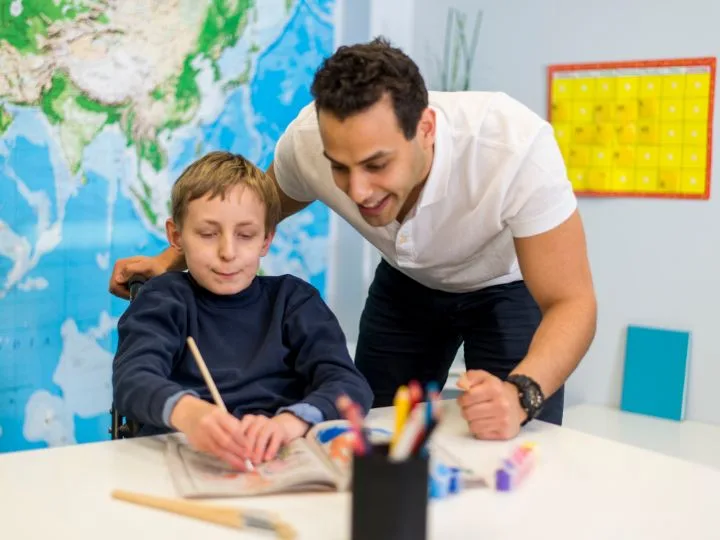
When a child is diagnosed with a developmental condition that affects their learning, movement, communication, or social skills, families often feel overwhelmed and unsure where to start. Understanding effective support options can make a significant difference in long-term outcomes. Global developmental delay therapy focuses on helping children build essential skills across multiple areas of development. With the right combination of early intervention, structured support, and family involvement, children can make meaningful progress in communication, independence, and everyday functioning. In Australia, families have access to a wide range of services designed to support individual needs using proven, evidence-informed strategies. This article explores practical & evidence-based approaches to care, what they involve, and how families can navigate support systems confidently.
Understanding Global Developmental Delay Condition
Global developmental delay refers to a condition where a child experiences delays in two or more developmental areas, such as speech, movement, learning, or social interaction. It is typically identified in early childhood when milestones are not being reached at the expected pace.
Children may present with:
- Delays in speaking or understanding language
- Difficulty with coordination or motor skills
- Challenges with problem-solving or learning new concepts
- Delayed social interaction skills
While each child is unique, early recognition and structured support play a key role in improving outcomes. Global developmental delay therapy is designed to address these areas through targeted, individualised strategies delivered by trained professionals.
Why Evidence-Based Approaches Matter
Evidence-based care ensures that strategies used in a child’s development plan are supported by research and clinical outcomes rather than guesswork. This is particularly important when supporting complex developmental needs.
A structured approach allows professionals to:
- Track progress using measurable goals
- Adjust strategies based on response and development
- Provide consistency across home, school, and therapy environments
- Focus on interventions that have demonstrated success in similar cases
In Australia, services often follow multidisciplinary models where different professionals collaborate to create a unified support plan. This ensures that global developmental delay therapy is tailored, practical, and responsive to the child’s changing needs.
Core Evidence-Based Approaches in Therapy
Several well-established approaches are commonly used to support children with developmental delays. These approaches are often combined to create a comprehensive plan.
Early Intervention Programs
Early intervention is one of the most effective strategies. It focuses on providing support as soon as developmental concerns are identified. Research consistently shows that earlier support leads to stronger long-term outcomes in communication, learning, and independence.
Speech and Communication Support
Communication development is a key focus area. Professionals use structured language programs, play-based interaction, and visual communication tools to help children express themselves and understand others more effectively.
Occupational Support Strategies
Occupational support helps children develop daily living skills such as dressing, eating, handwriting, and sensory regulation. Activities are designed to improve coordination and confidence in everyday tasks.
Physical Development Support
Movement and coordination skills are supported through targeted physical activities that improve strength, balance, and motor planning. These strategies help children participate more fully in play and school activities.
Behaviour and Learning Support
Positive behaviour strategies are used to encourage learning and reduce frustration. These approaches focus on reinforcing desired behaviours and building routines that support emotional regulation and engagement.
Together, these strategies form the foundation of global developmental delay therapy and are adjusted based on individual progress and needs.
The Role of Family and Early Support
Families play a central role in supporting development. Consistent routines, reinforcement at home, and active participation in therapy sessions can significantly enhance outcomes.
Practical ways families can support progress include:
- Using simple and consistent language during daily interactions
- Encouraging play that builds communication and motor skills
- Maintaining structured routines to provide stability
- Working closely with professionals to follow recommended strategies
Family-centred care is widely used across Australia because it recognises that children develop best when support extends beyond clinical environments into everyday life.
Navigating Support Services in Australia
Families have access to a variety of public and private services that provide developmental support. These may include community health centres, early intervention programs, and specialised developmental clinics.
In many cases, families may be referred through child health services or community-based assessments. Collaboration between different professionals ensures that care is coordinated and aligned with the child’s goals.
For families seeking global developmental delay therapy, it is important to choose services that prioritise evidence-based practice and multidisciplinary collaboration. This ensures consistent support across all areas of development.
Choosing the Right Support Team
Selecting the right professionals can make a significant difference in a child’s developmental journey. Families should look for teams that offer:
- A multidisciplinary approach with coordinated planning
- Clear communication and goal setting
- Experience in early childhood development conditions
- A focus on measurable outcomes & progress tracking
- Strong family involvement in decision-making
Trust and communication between families and professionals are essential for long-term success. When everyone works together, children are more likely to build confidence and reach important developmental milestones.
Summary
Global developmental delay therapy is most effective when it is grounded in research, delivered early, and supported by a collaborative team of professionals and families. Evidence-based approaches ensure that each child receives structured, meaningful support tailored to their unique needs. Families navigating global developmental delay therapy can benefit from understanding available strategies, engaging in early intervention, and actively participating in their child’s progress. For those exploring global developmental delay in Melbourne, access to multidisciplinary services and family-centred care can provide a strong foundation for long-term development and improved quality of life.