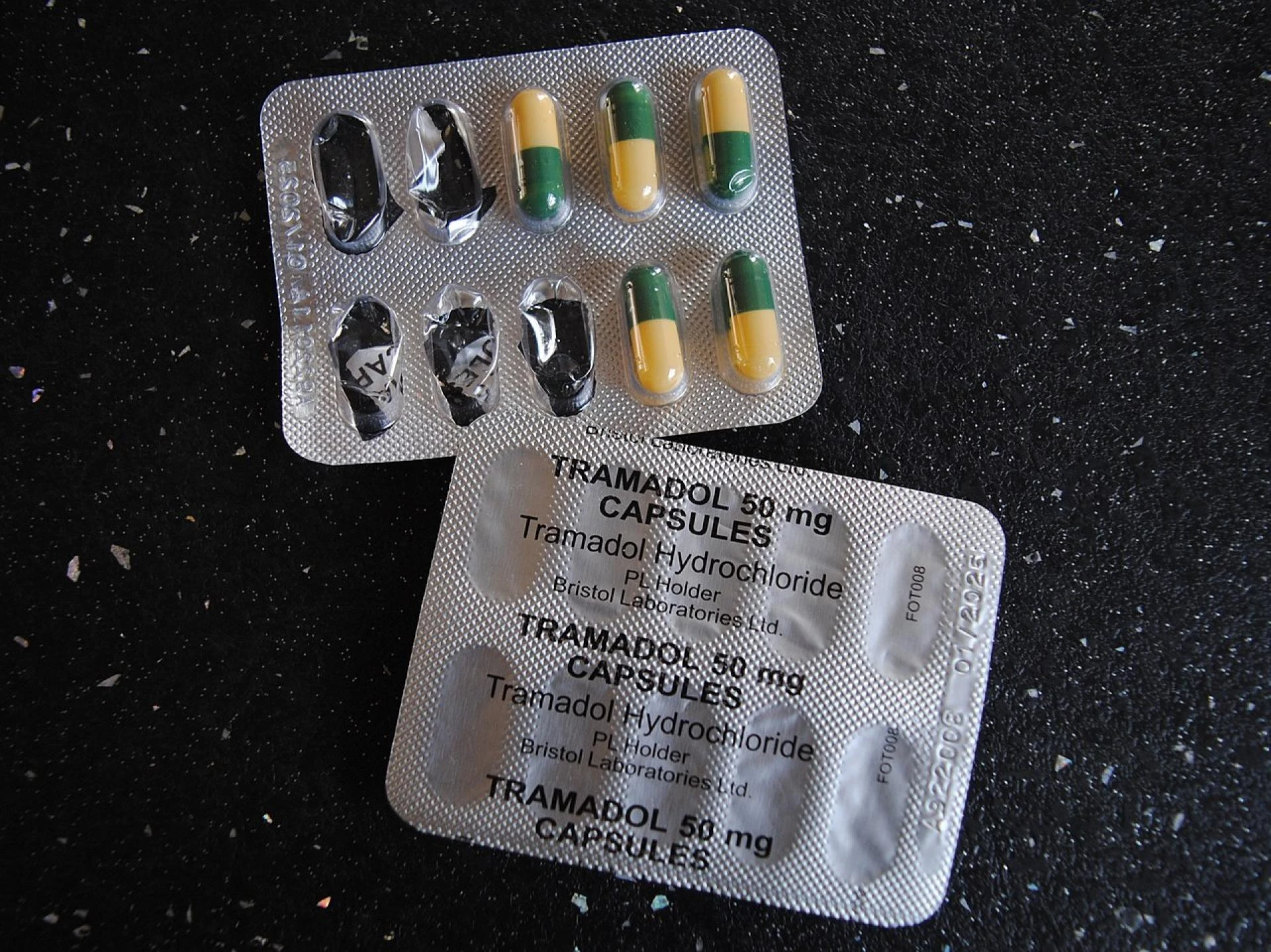
Depending on the kind and level of discomfort they are feeling, various people may need different medications to manage their pain. One of the most often prescribed drugs for moderate to fairly severe pain is 50 mg capsules of tramadol hydrochloride. They are part of a class of medications called opioid painkillers, which function by altering how your nerve system and brain interpret pain.
We will go over all you need to know about Tramadol hydrochloride 50mg Capsules in this post, including how they function, their intended use, possible adverse effects, safety measures, and how to take them.
What Is Tramadol Hydrochloride 50mg?
A centrally acting medication with both opioid and non-opioid effects is tramadol hydrochloride. In contrast to conventional potent opioids like morphine, tramadol acts through two different mechanisms:
Opioid effect: It lessens the experience of pain by binding to opioid receptors in the brain.
Neurotransmitter effect: It raises serotonin and norepinephrine levels, which are substances that help the neurological system control mood and pain signals.
Tramadol's dual action makes it special since it may assist increase tolerance to chronic pain situations in addition to relieving physical pain.
One of the most often given initial dosages for adults is the 50 mg pill.
What Conditions Is Tramadol 50mg Used For?
Chronic pain, including fibromyalgia, osteoarthritis, and back pain.
pain from cancer—when other medicines are insufficiently effective.
Neuropathy, or nerve pain, includes diseases like sciatica and diabetic nerve pain.
When over-the-counter medications like ibuprofen or paracetamol are insufficiently effective, tramadol is typically taken into consideration.
How to Take Tramadol 50mg Capsules
Maximum dosage: 400 mg per day shouldn't be taken in a 24-hour period.
With or without food: You can take Tramadol capsules with or without meals, as long as you drink a glass of water.
Consume the capsules whole; chewing or crushing them could cause the medication to release too soon.
To prevent complications, elderly individuals and those with liver or kidney problems might need a lower dosage.
Possible Side Effects of Tramadol 50mg
- Tramadol may have adverse effects, just like any other medication. When taking the medication as directed, many people tolerate it well, and not everyone has these side effects.
- Typical adverse effects:
- Vomiting or feeling queasy
- Lightheadedness or dizziness
- Headache
- Mouth dryness
- Constipation
- Drowsiness
Less common but more serious side effects:
- Difficulty breathing
- Seizures (especially at higher doses)
- Mood changes, such as anxiety or hallucinations
- Severe allergic reaction (rash, itching, swelling)
If you notice serious side effects, medical help should be sought immediately.
Risks and Precautions
- Tramadol has some hazards if used improperly, despite its potential for great effectiveness. Important safety measures consist of:
- Dependency and addiction
- Dependency may result from using tramadol, particularly if high dosages or prolonged use are involved. Avoid self-adjusting the dosage and always heed medical advice.
- Symptoms of withdrawal
- Abruptly stopping tramadol might result in withdrawal symptoms like agitation, sweating, and restlessness. Typically, doctors advise progressively reducing the dosage.
- Interactions between drugs
- Because it may raise the risk of side effects like seizures or serotonin syndrome, Tramadol should not be taken with certain medications, including sedatives, antidepressants (SSRIs, MAO inhibitors), or other opioids.
- Use of alcohol
- Alcohol consumption while taking tramadol might be harmful because it raises the possibility of respiratory issues and drowsiness.
- pregnancy as well as
Tramadol vs. Other Painkillers
Many people wonder how tramadol compares to other pain medications.
- Paracetamol and ibuprofen – These are mild pain relievers and are usually the first option for mild pain. Tramadol is stronger and used when these do not work.
- Codeine – Another opioid painkiller, but tramadol is often considered to have a slightly lower risk of dependence.
- Morphine – Much stronger than tramadol, used for severe or cancer-related pain. Tramadol sits in between mild painkillers and very strong opioids.
Safe Use of Tramadol 50mg Capsules
To use tramadol safely, keep these tips in mind:
- Take the exact dose prescribed by your doctor.
- Avoid alcohol and recreational drugs.
- Do not share your medication with others.
- Store in a cool, dry place away from children.
- Keep regular check-ins with your doctor if using for long-term pain management.
Who Should Avoid Tramadol?
Tramadol may not be suitable for everyone. It should be avoided in people who:
Have severe breathing problems
Suffer from uncontrolled epilepsy
Are taking certain antidepressants or sedative
Have a history of substance misuse
Are under 12 years old (and in some cases, not recommended under 18)
Final Thoughts
For the treatment of moderate to severe pain, 50 mg capsules of tramadol hydrochloride are a dependable and frequently recommended choice. They are useful for both acute and chronic pain disorders because of the way they vary from many other medications. However, since they are an opioid-based drug, it is crucial to utilize them safely.