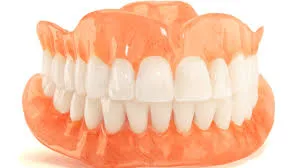

Many people are dissatisfied with the color, shape, or position of their teeth and look for a way to enhance their smile without lengthy orthodontic treatment. Veneers are among the most popular solutions today. They make it possible to correct various aesthetic imperfections and achieve a natural-looking result. But before deciding on veneers, it's important to understand what they are, the different types available, who they are suitable for, and how to care for them. In this article, we will tell you everything you need to know about dental veneers.
What are veneers?
Veneers are thin shells that are bonded to the front surface of the teeth. Their main purpose is to improve the appearance of teeth by concealing various imperfections. Modern veneers are manufactured to perfectly mimic the structure and translucency of natural tooth enamel.
Most veneers are between 0.2 and 0.7 millimeters thick and therefore look natural. Once placed, they are virtually invisible in the mouth. Depending on the individual situation, the cosmetic dentist can apply veneers to one or more teeth at the same time to achieve a harmonious smile.
What problems can veneers solve?
Many people think veneers are used exclusively for teeth whitening, but their range of applications is much broader. Veneers can conceal enamel discoloration that cannot be treated with professional whitening. They also help correct minor chips, cracks, and surface irregularities.
Moreover, veneers are frequently used to close small gaps between teeth, visually align teeth, and change their shape. For example, if teeth are too short, worn, or uneven in size, veneers can create a more symmetrical and attractive smile. It is important to understand that veneers are not a complete alternative to orthodontic treatment. In cases of pronounced malocclusion or severe misalignment of the teeth, the dentist may recommend other corrective methods.
Types of veneers
Ceramic and composite veneers are the most commonly used options. Each type has its own characteristics, advantages, and limitations. Ceramic veneers are made in a dental laboratory using individual impressions of the patient. They are very durable and look natural. High-quality ceramic veneers can last for over ten years with proper care.
Composite veneers are made directly in the dental office using a special filling material. The treatment is generally faster and less expensive. However, composite is more susceptible to discoloration and wear, which is why its lifespan is usually short. The choice of veneer option depends on the patient's wishes, the condition of their teeth, and the dentist's recommendations.
How does veneer treatment work?
The treatment process typically begins with a consultation and diagnosis. The dentist assesses the condition of the teeth and gums, takes photos, and decides whether veneers are suitable for the individual patient. In many cases, only minimal preparation of the tooth surface is required. The dentist removes a thin layer of tooth enamel so that the veneer looks natural and doesn't appear too thick. After preparation, impressions are taken, or a digital scan of the teeth is created.
While the final veneers are being manufactured, temporary restorations can be placed. Once the finished veneers are received, the dentist checks their shape, color, and fit and then bonds them with a special dental cement. After the procedure, the patient can immediately assess the result and resume their normal daily activities.
Veneer care
After the veneers are placed, thorough oral hygiene is essential. Brush your teeth at least twice a day with a soft toothbrush and a suitable toothpaste. Regular use of dental floss or mouthwash is also important to clean between the teeth. It is also recommended to visit your dentist for checkups and professional cleanings. This allows for the early detection of potential problems and helps maintain healthy teeth and gums.