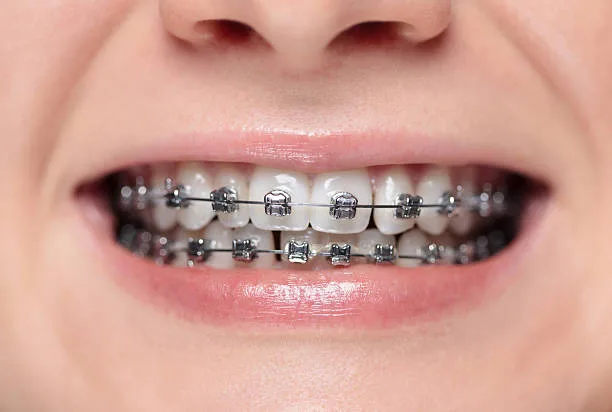
If you're thinking about metal braces in Upper East Side, it's important to know what to expect. Braces can help correct crowded teeth, gaps and concerns with their bite and will slowly help straighten the teeth. Recent advancements also provide several appliances to choose from so that treatment can be flexible for people of all ages, lifestyles, and aesthetic tastes.
Who Can Benefit From Braces?
Braces do not necessarily have to be restricted to teenagers. Orthodontic care can prove to be useful for children, adolescents, and adults who have teeth that are crowded, spaced, crooked, or those which have biting problems such as overbite, underbite, crossbite, or open bite.
At the initial consultation, the dentist will analyze the teeth and the bite and will take pictures or computerized scans of the teeth if required. This helps in comprehending the necessary movement and making an appropriate treatment plan from the orthodontist.
The different braces to use
Many orthodontic conditions are still well suited for the traditional braces. Tooth movement into a more desirable alignment is accomplished using brackets and wires which apply controlled pressure in a gradual, systematic manner.
An other fixed option is ceramic or clear braces which feature tooth coloured or less visible brackets. Lingual braces are those that are attached to the back of the teeth but clear aligners can be a removable solution in some cases. The choice of right option needs to depend on the patient's alignment requirements, lifestyle and treatment objectives.
How life with braces will be lived
It takes time to get used to wearing braces. It is normal for the mouth to be slightly sore after insertion or adjustment and this usually subsides as the mouth adjusts.
During this time, you might find it easier to have softer foods. Also, steer clear of foods that are difficult, sticky, or chewy; these can damage brackets and/or wires. Tear foods into smaller pieces, which will make it easier to eat and will help to preserve the appliance.
Maintain oral hygiene while undergoing treatment
Oral hygiene is particularly important when there is the presence of brackets and wires. Brushing and flossing around each bracket will continue to be necessary, and food can get trapped around the hardware, so it's a good idea to be careful around every bracket.
For instance, a person who is more regularly brushing twice daily might want to take along a travel toothbrush to brush post lunch. Difficult-to-reach areas can also be cleaned easily with interdental brushes or other orthodontic cleaning accessories.
Appointments and Treatment Progress
Orthodontic treatment takes time and is not done in a flash. Post-treatment visits enable the orthodontist to track tooth movement and adjustments made. Treatment is by appointment only, and varies from person to person based on treatment plan.
The time period of the treatment is also different. Various factors, such as the complexity of tooth movement, patients' response to the treatment, and post-care instructions, may influence the period of treatment. During the first appointment, patients need to consult with their doctor regarding the expected time for the treatment to take place.
After the Braces Come Off
An important milestone is the completion of active treatment, but so is keeping the new alignment. Retainers are braces typically used after orthodontic care to keep teeth from shifting back into their natural alignment. The appropriate retention time can help preserve the results over time.
All in all, Braces Upper East Side treatment is a continuous process that depends upon the efforts of the patient and professional monitoring. With proper expectations management, excellent hygiene standards, and adherence to orthodontics rules, the patient can make his or her treatment process easier.
Dr. Maddy is the author of this article. To know more about Upper East Side clear aligner, please visit our website: theorthodontistandco.com