
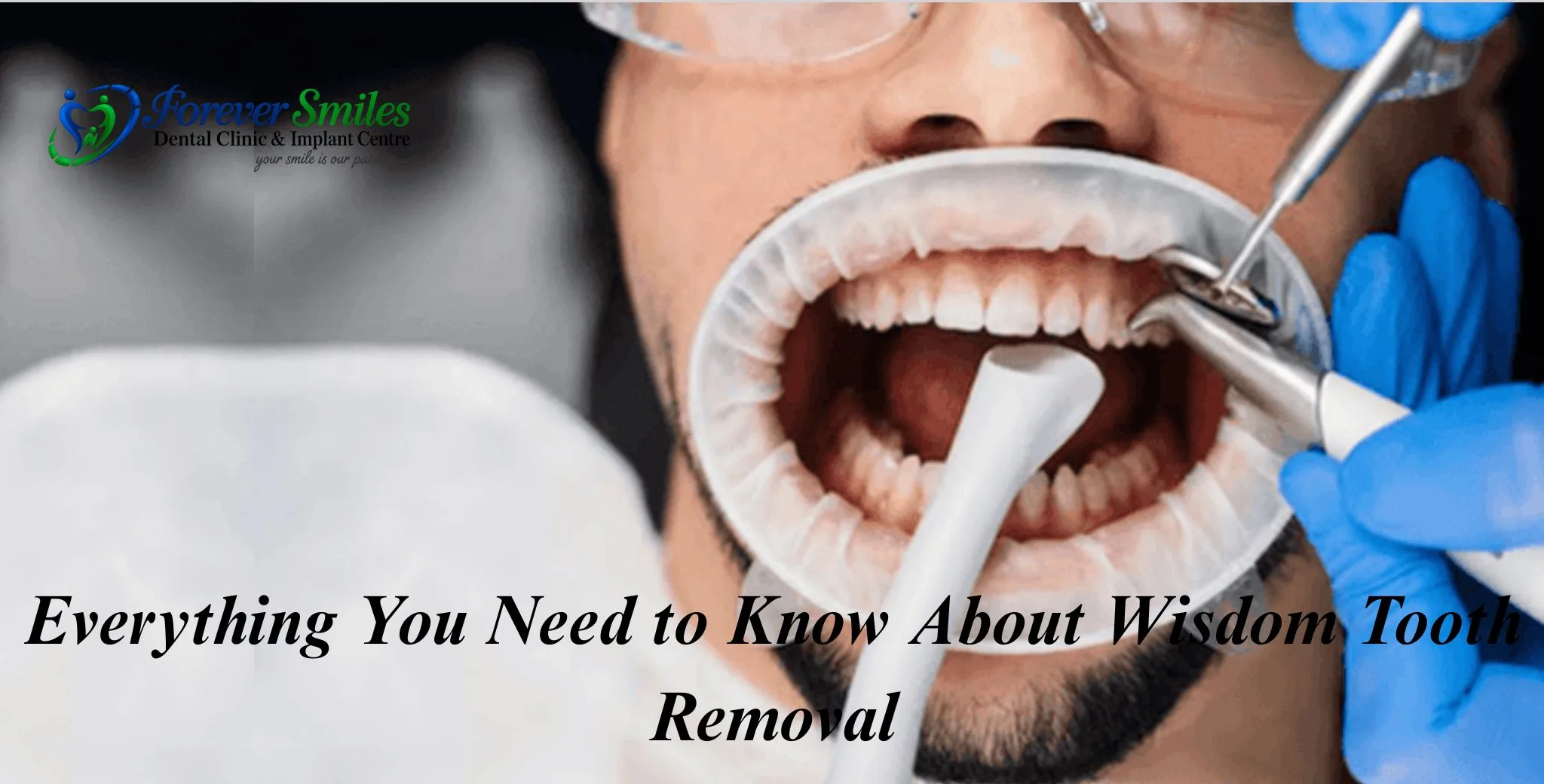
Wisdom teeth are the last set of molars that usually occur in the late teens or in early adulthood. They usually grow at the back of your mouth and often do not have enough space, leading to swelling, pain, infection, impacted molars, and, most of the time, they also damage your nearby teeth.
When the wisdom tooth gets stuck, partially erupted, or grows at an angle, it may affect the health of the tooth next to it. To preserve the tooth's function, removal of the wisdom tooth becomes the safest and most effective procedure. Let us get in detail to know more about the treatment, procedure and where to consult for the wisdom tooth removal in Ludhiana.
Why is this treatment done?
Because wisdom teeth are the last permanent teeth to appear, they usually come through the gums between the ages of 17 and 25. They may come in fully at once or partially. However, some people's wisdom teeth never come through, while others' molars do, causing no major issue.
As per the best dentist in Punjab, most individuals have impacted wisdom teeth that do not leave enough room to appear in the mouth as usual.
- An impacted wisdom tooth may:
- Grow at an angle towards the next tooth, your second molar.
- Grow at an angle towards the back of your mouth.
- Grow at a right angle to the other teeth, if your wisdom tooth is lying down within the jawbone.
- These grow straight up or down like the other teeth, but they stay trapped within your jawbone.
Are wisdom teeth removed?
People considering wisdom tooth removal can consult a dentist to understand whether removal is necessary based on their oral health and the position of the tooth, such as:
- Pain
- Gum disease or Infection, also known as a periodontal health issue.
- Debris and food trap behind your wisdom tooth.
- Damage to your nearby tooth or surrounding bone
- Development of a fluid-filled sac around your wisdom tooth area, which is also known as a cyst.
- Complications with braces to straighten your teeth.
What happens during wisdom tooth removal?
Before removing the wisdom tooth, your dentist will examine your teeth and gums and may recommend dental X-rays to understand your tooth’s position. This helps the dentist determine whether the tooth can be removed easily or requires a surgical procedure.
During the procedure, local anaesthesia is generally used to numb the area and minimise the discomfort. If the wisdom tooth is impacted, the dentist may need to make a small opening in the gum to access it. In some cases, the tooth may be divided into smaller sections for easier removal.
After the wisdom tooth is removed, the dentist will provide instructions to support proper healing. You may experience mild swelling, discomfort, or sensitivity for a few days, which can usually be managed with the recommended care.
What should you do after wisdom tooth removal?
Taking proper care of the extraction area can support smooth recovery. Avoid touching the area unnecessarily and follow your dentist's instructions carefully. Eating soft foods and avoiding very hot or hard foods for the initial period may also help.
Maintaining oral hygiene is also important, but you should be gentle around the extraction site. If you experience severe pain, excessive bleeding, increasing swelling, or other unusual symptoms, contact your dentist promptly.
Wisdom teeth do not always need to be removed. However, when they cause pain, infection, damage, or other dental complications, timely treatment can help protect your oral health. A dental consultation at the best dental clinic in Ludhiana, Forever Smiles, can help determine whether wisdom tooth removal is necessary for you