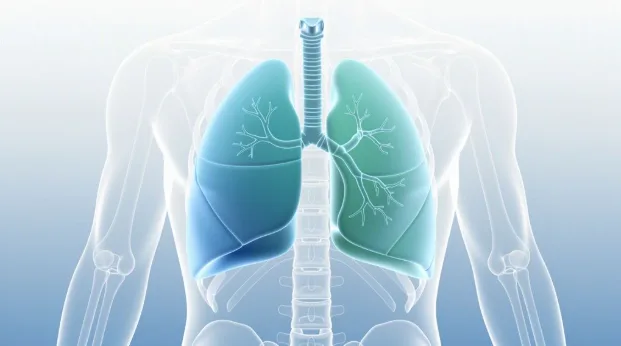
Your breathing depends on a sophisticated system of lungs, airways, and the chest wall working together flawlessly. If anything is amiss inside your chest area, there is no way it should be left to the uncertainties of general practitioners. From persistent coughs to conditions that require surgery, it calls for experts who breathe this profession every day.
If there is a problem in the chest region requiring surgical intervention, it will take a skilled surgeon with the necessary experience to accomplish this. This is where Dr.George Karimundackal, as a Thoracic Surgeon, comes in handy, since he/she is specifically trained to conduct surgeries on the lung, esophagus, chest wall, and all that lies in between. It is these specialists who perform complex and critical operations that no one wishes to undergo but feel blessed to be able to.
What Happens Inside Your Chest Cavity?
Inside your chest lie some of the most active organs of your body. Below is a fast rundown of the contents:
The Lungs – the oxygen processing centers
The Trachea and Bronchi – the tubes carrying air to your lungs for every breath
The Esophagus – the tube from your throat to your stomach
The Chest Wall and Ribs – the defense barrier
The Diaphragm – the muscle behind every breath
Whenever these behave oddly, you will start experiencing symptoms that may even be shocking.
Where a Pulmonologist Fits In
Not all problems related to the chest or lungs need surgery. In many cases, the disease is diagnosed, treated with medication, and monitored over time, and this is when pulmonologists have their day. Dr.Manu Madan, as a pulmonologist, specializes in the diagnosis and treatment of respiratory diseases without resorting to surgery as much as possible. They can be considered detectives who collect information from your body and try to solve the puzzle.
This is what happens when a pulmonologist and thoracic surgeon usually cooperate:
| Pulmonologist | Thoracic Surgeon |
| Diagnoses lung and airway diseases | Performs operations on chest organs |
| Manages asthma, COPD, and infections | Removes tumors and repairs structures |
| Orders and interprets breathing tests | Handles biopsies and resections |
| Guides long-term treatment plans | Steps in when surgery is the answer |
Warning Signs You Shouldn't Ignore
But your body does have a tendency to put up a red flag when there is an issue. You should consider consulting your doctor if you experience:
- A prolonged cough, one that continues for several weeks, or even a cough that is accompanied by blood
- Difficulty breathing with ease during regular activities
- Chest pains that seem to occur without any rhyme or reason
- Wheezing or a whistling noise while breathing
- Weight loss accompanied by fatigue without any apparent cause
- Frequent lung infections
- Bottom line – When in doubt, better check it out.
Conditions These Specialists Tackle
However, between the pulmonologist and the thoracic surgeon, there is an amazing array of diseases that can be either managed or cured:
- Commonly managed with medications:
- Asthma and chronic bronchitis
- Chronic Obstructive Pulmonary Disease (COPD)
- Pneumonia and respiratory infection
- Sleep apnea and respiratory disorders
- Pulmonary fibrosis
- Usually needing surgery:
- Lung cancer and chest cancer
- Esophageal disease and esophageal cancer
- Emphysema
- Chest injuries and broken ribs
- Pneumothorax (collapsed lung)
Modern Tools, Gentler Approaches
Gone are the days when chest surgeries are synonymous with large incisions and lengthy recovery periods. Today, the professionals employ very modern methods:
Minimally invasive surgery – smaller incisions, less pain, quicker recovery
Video-assisted thoracoscopic surgery (VATS) – smaller cameras facilitate very precise surgeries
Robotic-assisted surgery – higher precision during the most delicate surgeries
Modern imaging – such as CT scans and PET scans, which reduces the risk of error
Bronchoscopy – a thin tube for exploring the air passages without any incisions
All of these developments have helped many people walk out of the hospital much faster than expected.
How to Make the Most of Your Appointment
Going to see a specialist is daunting. But some preparation can help:
- List out your symptoms and when they began
- Have your medication list – don’t forget supplements and OTC medications
- Find any past tests – scans and procedures, and results of previous tests
- Make sure to have your questions ready – there are no silly questions when it comes to your health
- Bring a second person along with you
Small Habits, Healthier Lungs
While experts take care of the really important stuff, the decisions you make every day are incredibly important for maintaining your good lung health:
- Stop smoking – the number one thing you could do for your lungs
- Get moving – keep active to help keep your lungs healthy
- Breathe clean air – minimize exposure to pollutants and second-hand smoke where possible
- Get vaccinated – flu and pneumonia shots are important
- Have regular doctor’s visits – particularly if you are at risk
Why Specialized Care Matters
It is not a place where a universal solution will fit. If you are experiencing a chronic breathing problem or are preparing to undergo an operation, then the presence of the right specialist by your side makes all the difference. The former will be able to help you solve the problem early on, and the latter will be there when you need their surgical skills.
These specialists join forces for one common purpose: to make breathing easier for you.
Your breath is something invaluable; let it be handled by the specialists who understand its value.