The Everest view trek difficulty is a common question for those interested in exploring the Everest region without doing the full Everest Base Camp trek. Recently, I had the chance to experience the Everest View Trek, and it offered stunning views of the world’s highest peak while being accessible to many people. In this article, I will share my experience about the difficulty level of this trek, what to expect on the trail, and some tips to help you prepare.
What Makes the Everest View Trek Special?
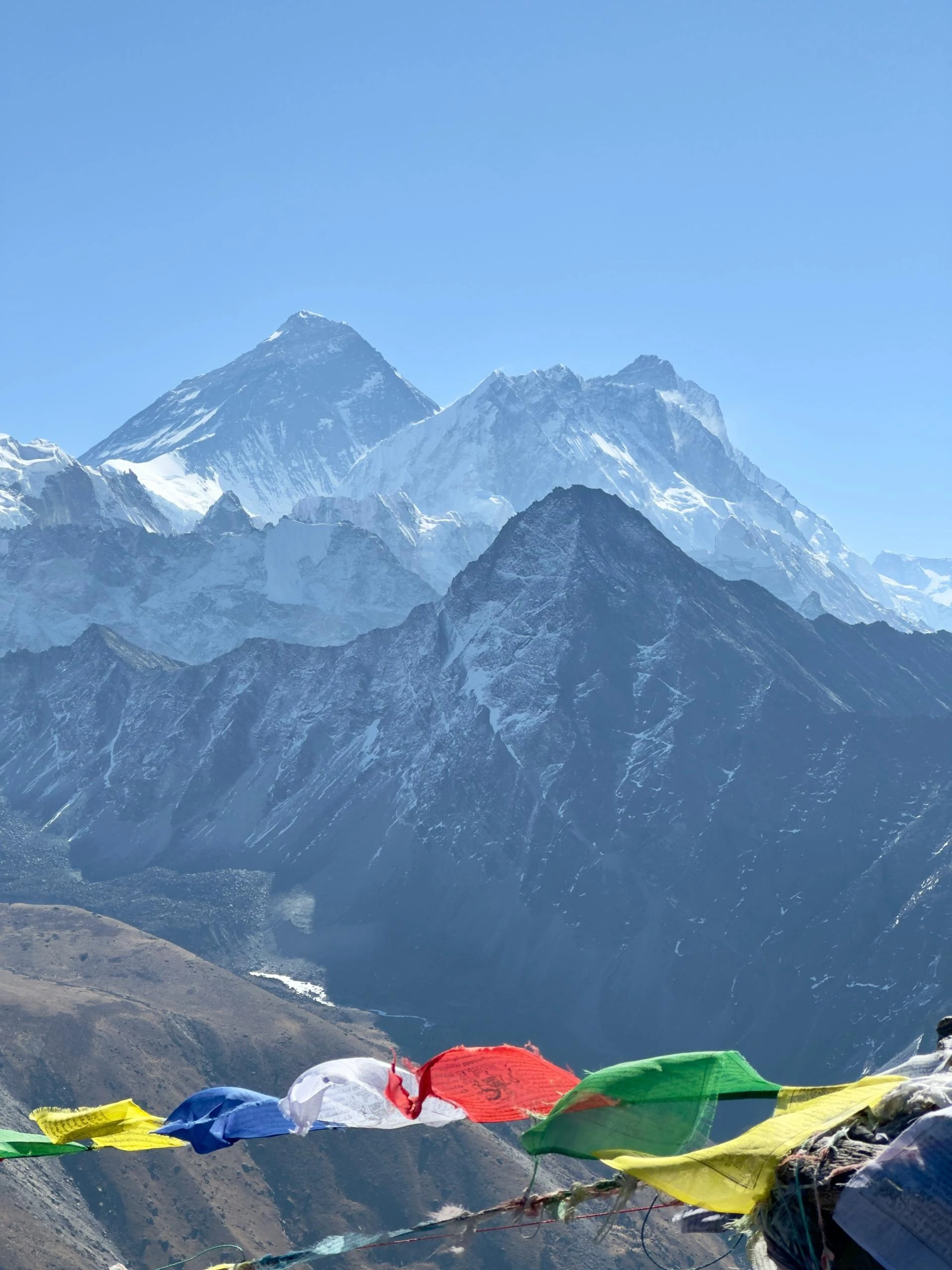
The Everest View Trek is a shorter and easier way to enjoy the beauty of the Everest region. It is famous for giving trekkers breathtaking views of Mount Everest and surrounding peaks like Lhotse and Ama Dablam. We found the trek rewarding and not very challenging compared to other Everest region treks. The trail takes you through charming villages, rhododendron forests, and offers a chance to experience Sherpa culture.
How Difficult is the Everest View Trek?
The Everest view trek difficulty is considered moderate. It is suitable for beginners and those who want a shorter adventure with less physical strain. The trek usually lasts about 6 to 7 days, with manageable daily walking distances. While there are some uphill sections, the overall altitude and distance are less demanding than longer treks in the area.
During our trek, we walked around 4 to 6 hours each day, which allowed enough time to rest and enjoy the surroundings. The highest point on the trek is Tengboche, which sits at about 3,870 meters (12,700 feet). This altitude can cause mild symptoms of altitude sickness, but with proper acclimatization, most trekkers handle it well.
Terrain and Trail Conditions
The trail on the Everest View Trek is well-marked and maintained. It passes through forests, fields, and traditional villages. The path is a mix of dirt trails, stone steps, and sometimes rocky patches. We found the terrain to be straightforward and easy to navigate. There are no technical climbing sections or dangerous parts, which makes the trek accessible to many people with average fitness levels.
How to Prepare for the Trek Difficulty
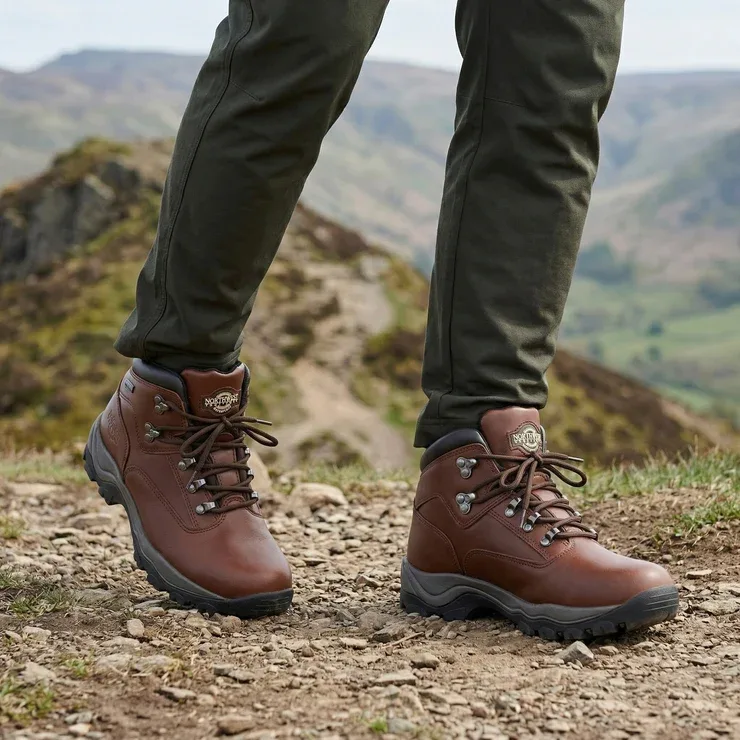
Although the trek is moderate, some preparation is still important. We made sure to do regular walking and some hill training before the trip. Good hiking shoes, layered clothing, and a light backpack helped make the journey comfortable. It is also important to stay hydrated and take breaks when needed to manage energy.
Acclimatization is key on this trek because altitude can affect your body. We took our time to adjust and followed the advice of guides. Listening to your body and not rushing is essential to avoid altitude sickness.
Challenges We Faced on the Everest View Trek
Even though the trek is moderate, there were some challenges. Weather can change quickly in the mountains, so cold mornings and occasional rain require proper gear. Some uphill sections felt tiring, especially carrying a backpack. We also experienced thinner air at higher altitudes, which made walking slower.
The remoteness of the region means that medical facilities are limited. It’s important to be cautious and prepared with basic first aid. However, the friendly locals and welcoming tea houses make the trek enjoyable and safe.
Why the Difficulty is Worth It
The Everest view trek difficulty is balanced by the incredible rewards. We enjoyed stunning mountain views, met warm Sherpa people, and experienced the unique culture of the region. The trek offers a great chance to connect with nature and witness Everest without the extreme challenge of longer expeditions.
Conclusion
The Everest View Trek is a fantastic option for those looking for a moderate challenge with high rewards. From my recent experience, I can say that the trek’s difficulty level makes it accessible to many people with basic fitness. Knowing about the Everest view trek difficulty helps you prepare well and enjoy the journey safely. If you want a memorable trek with breathtaking views of Everest without pushing your limits too far, this trek is an excellent choice.