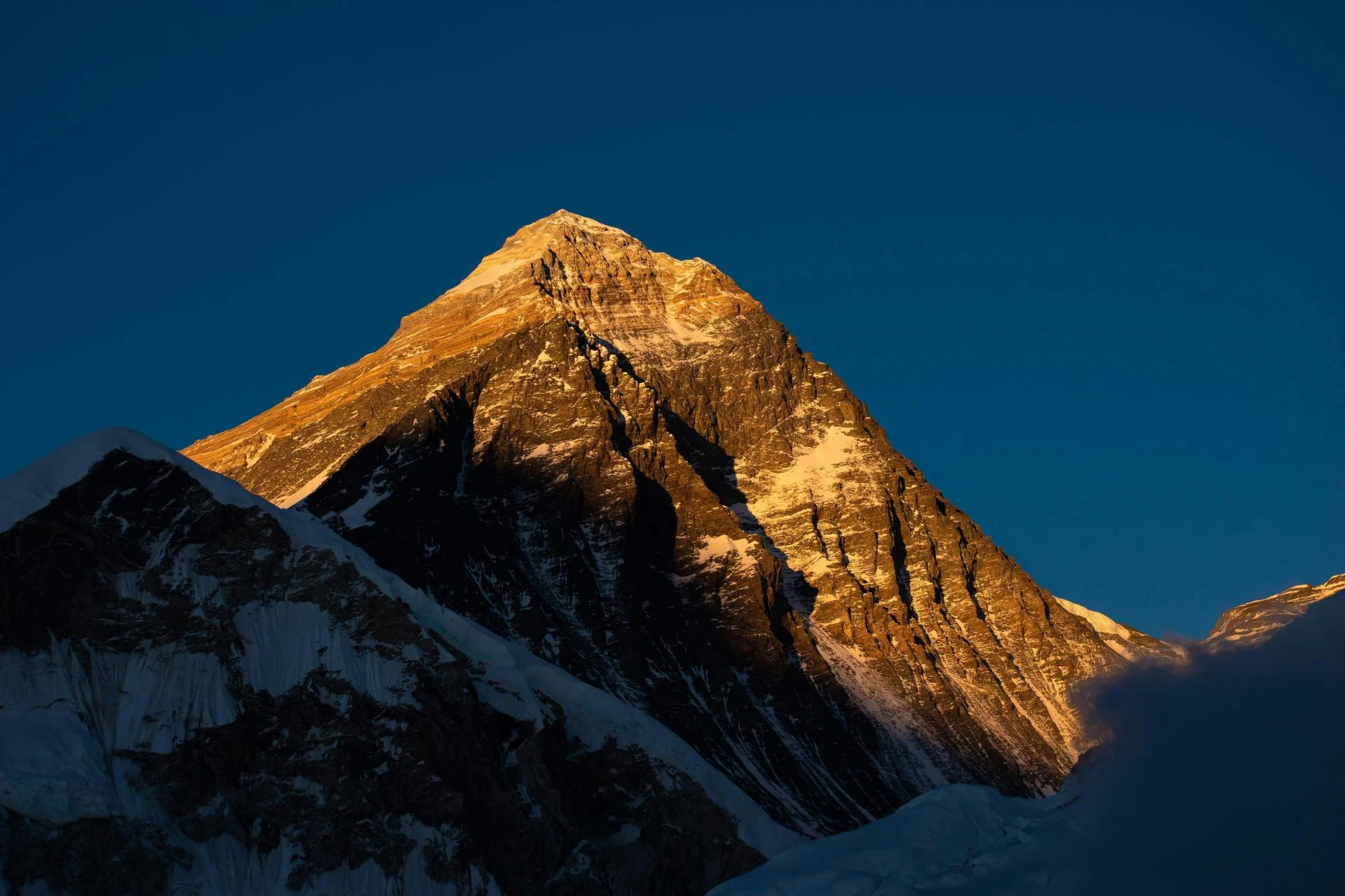
Do you want to walk in the shadow of Everest, cross three snowy passes, and visit peaceful mountain villages? Then the Three Passes Trek is for you. This trek is one of the most exciting journeys in the Everest region. It’s tough, but full of beauty. You’ll see Mount Everest from many angles and explore paths less traveled by most hikers.
Let’s begin the adventure of a lifetime.
Into the Land of Giants
The journey starts with a thrilling flight from Kathmandu to Lukla, a small mountain town. The runway is short, the views are big, and your heart races before you even start walking!
From Lukla, you hike through forests, cross high swinging bridges, and walk beside the roaring Dudh Koshi River. You pass through small Sherpa villages where friendly locals greet you with a warm “Namaste.”
The first big stop is Namche Bazaar, the gateway to Everest. This lively town is full of trekkers, shops, and bakeries. It's a great place to rest, explore, and get used to the altitude.
Useful Trekking Stats
- Average Length: 18 to 21 days
- Total Distance: Around 160 kilometers
- Maximum Elevation: 5,545 meters at Kala Patthar
- Best Time to Go: March to May and September to November
The Three Great Passes
What makes the Three Passes Trek so special? The name says it all — you cross three amazing high passes.
- Kongma La Pass (5,535 m): The first and highest. It connects Chhukhung with Lobuche. The climb is steep and rocky, but the views of snowy peaks make it worth it.
- Cho La Pass (5,420 m): This pass has a glacier crossing. It’s icy, exciting, and one of the most thrilling parts of the trek.
- Renjo La Pass (5,360 m): The last pass gives stunning views of the Gokyo Lakes and Everest. It feels like walking through a frozen dream.
Each pass is different. Each one tests your strength. And each one rewards you with views you’ll never forget.
Everest Base Camp and Gokyo Lakes
This trek also takes you to Everest Base Camp, the starting point for climbers who want to summit the world’s tallest mountain. Standing here, you feel the power of Everest all around you.
You’ll also climb Kala Patthar, one of the best viewpoints for Everest. From the top, you can see the sun rise behind the peak — it’s a moment that takes your breath away.
Later in the trek, you reach the Gokyo Valley. It’s a peaceful place filled with bright blue lakes. The Gokyo Ri viewpoint gives another amazing view of Everest and other mountains like Cho Oyu and Lhotse.
Nature, Culture, and Calm
Along the way, you’ll walk through green forests, icy glaciers, and quiet mountain paths. You’ll see colorful prayer flags, ancient monasteries, and spinning prayer wheels.
The Sherpa people who live in this region are strong and kind. They live simple lives and are deeply connected to the mountains. Sharing tea with them in a warm tea house makes you feel welcome and at home.
You’ll eat simple but tasty meals like dal bhat (rice with lentils), noodle soup, and momos (dumplings). After a long day of hiking, a hot meal and a cup of tea feel like heaven.
Why Choose the Three Passes Trek?
This trek is for people who want more than the usual Everest Base Camp trip. It’s for real adventurers.
See Everest from many places and angles
Explore less crowded trails
Cross three thrilling high mountain passes
Visit both Everest Base Camp and Gokyo Lakes
Learn about Sherpa culture and Buddhist life
It’s a hard trek, yes. But if you’re ready to challenge yourself, the rewards are huge.
What to Pack
- Warm jackets, gloves, and hats — it gets very cold at high altitude
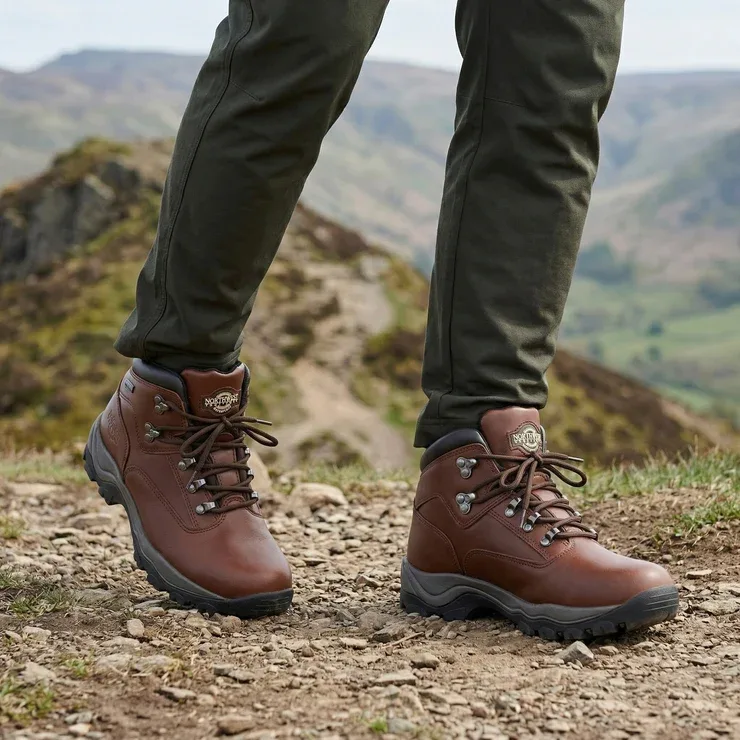
- Good hiking boots with ankle support
- Sunglasses and sunscreen — snow can burn your skin
- Water bottles and a filter or tablets
- Energy snacks — you’ll need the fuel!
A guide and porter are helpful, especially for first-timers. They keep you safe and carry the heavy load so you can enjoy the walk.
A Trek That Changes You
The Everest High Pass Trek isn’t just a walk in the mountains — it’s a journey into your heart. Each pass you cross teaches you something about strength, patience, and wonder.
You’ll wake up to pink skies, walk under prayer flags, and fall asleep to the sound of the wind in the peaks. Every moment feels real and alive.
When you finish the trek, you won’t just say, “I saw Everest.” You’ll say, “I walked with it. I crossed the passes. I felt the mountain.”