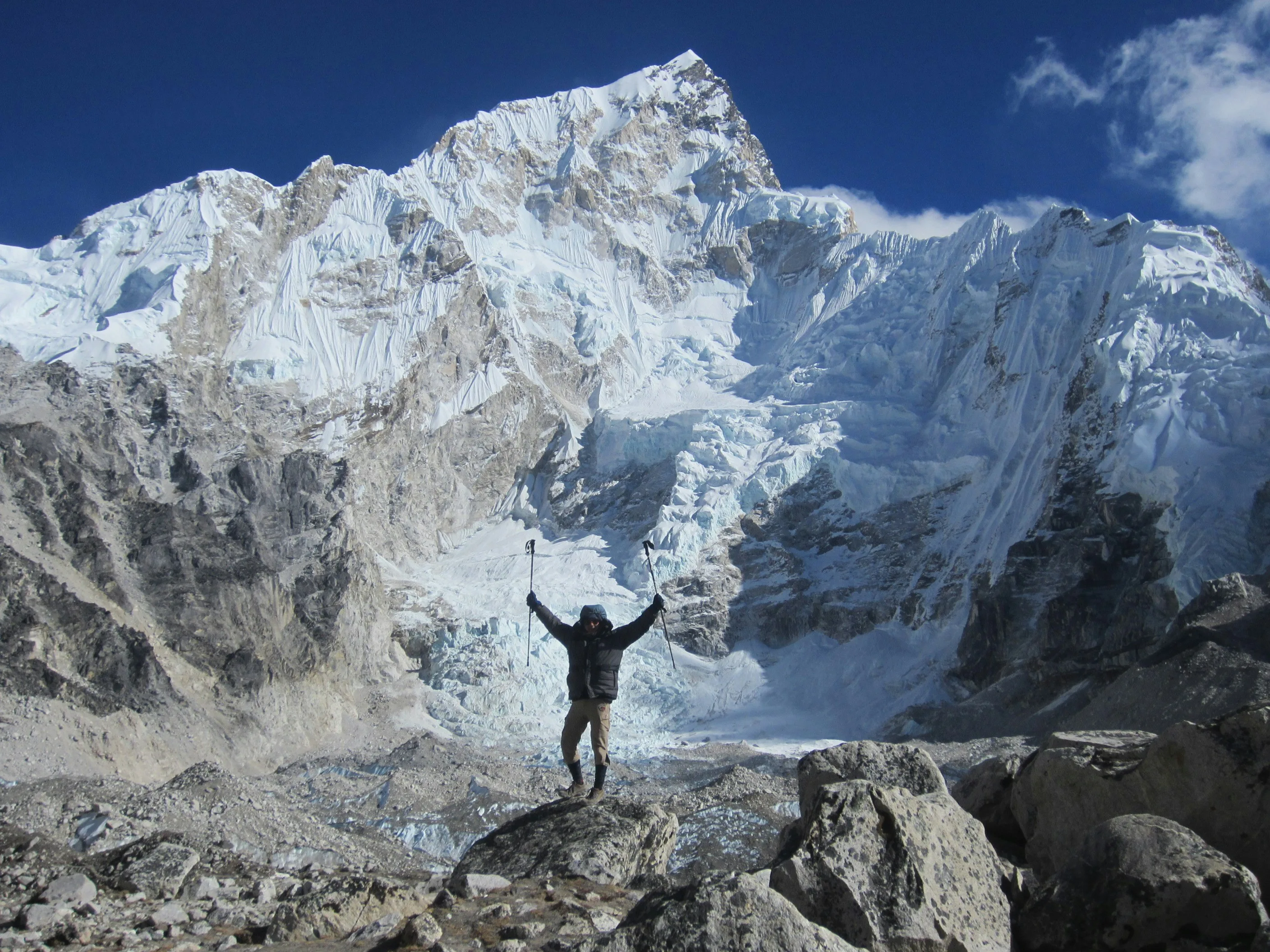
The mountains feel closer than they look when the journey begins toward Everest Base Camp. What seems like a dream on a map quickly becomes a real test of body and mind on the trail. From the very first step, the air feels different, the paths feel longer, and the Himalayas slowly reveal their true scale. With Nepal Social Treks handling permits, guides, accommodation, transportation, and full trekking support, the journey becomes safer, smoother, and easier to manage from start to finish.
Understanding the Real Difficulty
The Everest Base Camp trek is often called a “moderate to challenging” trek. It is not a technical climb, but it is also not a simple walk. The difficulty comes from long walking days, steep trails, and high altitude.
Most days involve walking for 5 to 7 hours. Some sections go uphill for long stretches. Stone steps, rocky paths, and uneven terrain make the journey physically demanding. Even fit travelers feel tired after a few days on the trail.
Fitness Requirements
Good fitness makes the Everest Base Camp trek much easier. Strong legs and steady stamina are important.
Before the trek, many travelers prepare by walking daily, climbing stairs, or doing light exercise. This helps the body adjust to long hours of walking.
The key is not speed but endurance. Slow and steady walking helps save energy. Rest breaks are very important. Pushing too fast can make the trek harder than it needs to be.
The Challenge of Altitude
Altitude is the biggest challenge on the Everest Base Camp trek. The trail reaches over 5,300 meters at Base Camp. At this height, the air becomes thin, and breathing feels harder.
Some people may feel headaches, tiredness, or loss of appetite. This is normal at high altitude. The body needs time to adjust.
That is why the trek is planned slowly, with rest days in places like Namche Bazaar and Dingboche. These rest days help the body adapt and reduce the risk of altitude sickness.
Daily Trail Challenges
Each day on the Everest Base Camp trek brings different challenges. Some days are long and tiring. Other days include steep climbs or cold winds.
Weather can also change quickly. A sunny morning can turn into a cold afternoon. Good clothing and preparation are important.
Even simple things like drinking water and eating regularly play a big role in staying strong during the trek.
Mental Strength Matters Too
The Everest Base Camp trek is not only physical. It is also mental.
There are moments of tired legs, cold mornings, and slow progress. At times, the journey can feel difficult. But the mountains also bring motivation.
Seeing snow-covered peaks, walking through Sherpa villages, and reaching small milestones along the trail helps build confidence and positivity.
Support Makes a Big Difference
A well-organized trek can make a big difference in how difficult the journey feels. Nepal Social Treks plays an important role in making the Everest Base Camp experience safer and more comfortable.
Their services include experienced guides, proper acclimatization planning, permits, accommodation, transportation, and porter support. With their help, the focus stays on the journey instead of logistics and stress.
Final Thoughts
The Everest Base Camp trek is challenging but achievable for many people with proper preparation. The difficulty comes mainly from altitude, long walking hours, and changing weather conditions.
At the same time, it is one of the most rewarding journeys in the world. Every step brings closer views of the Himalayas and a deeper sense of achievement.
With the expert support of Nepal Social Treks, including complete trekking arrangements, safety guidance, and professional planning, the journey becomes more manageable and meaningful. The Everest Base Camp trek is not just about difficulty, it is about pushing limits and experiencing the heart of the Himalayas.