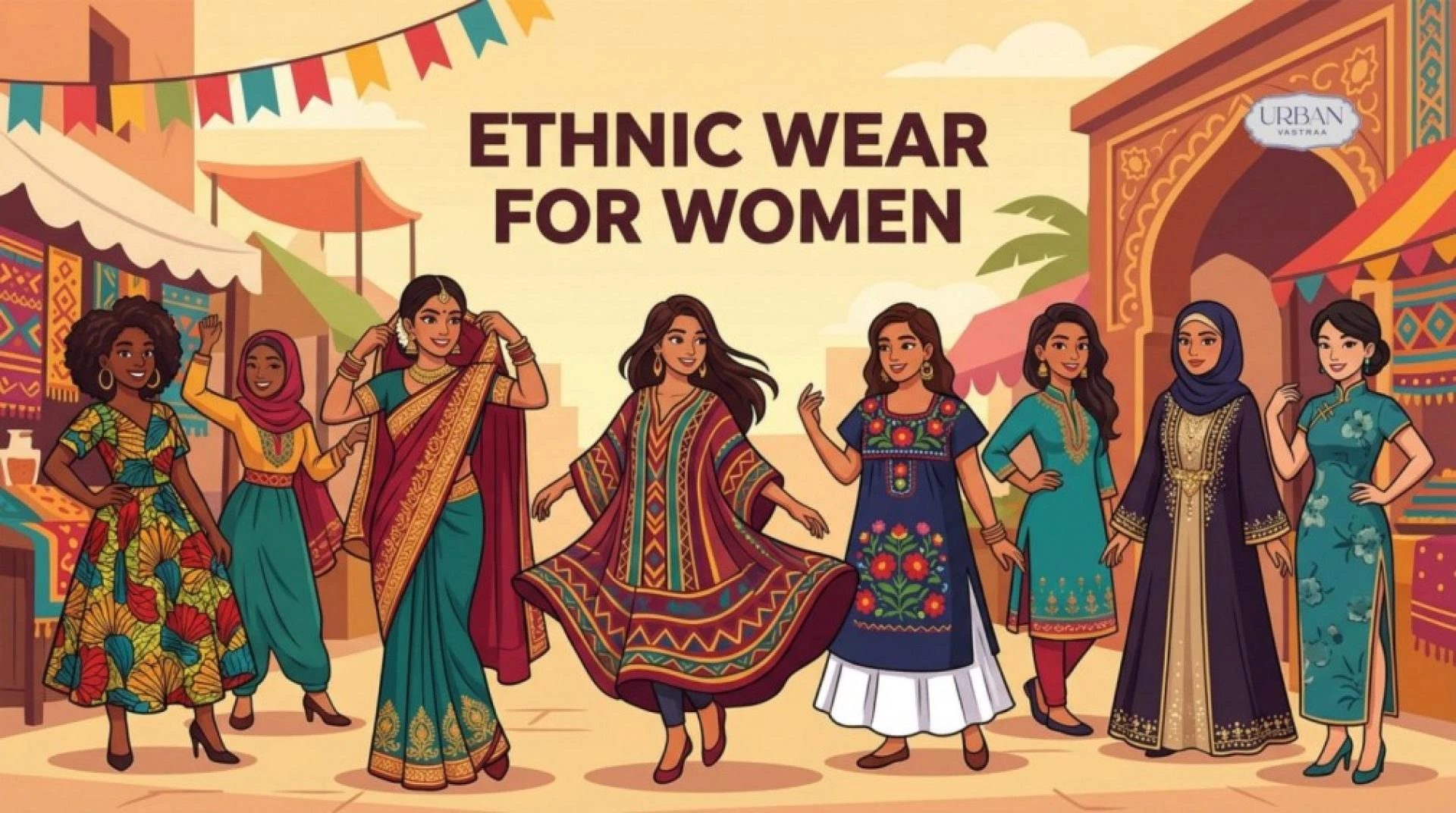
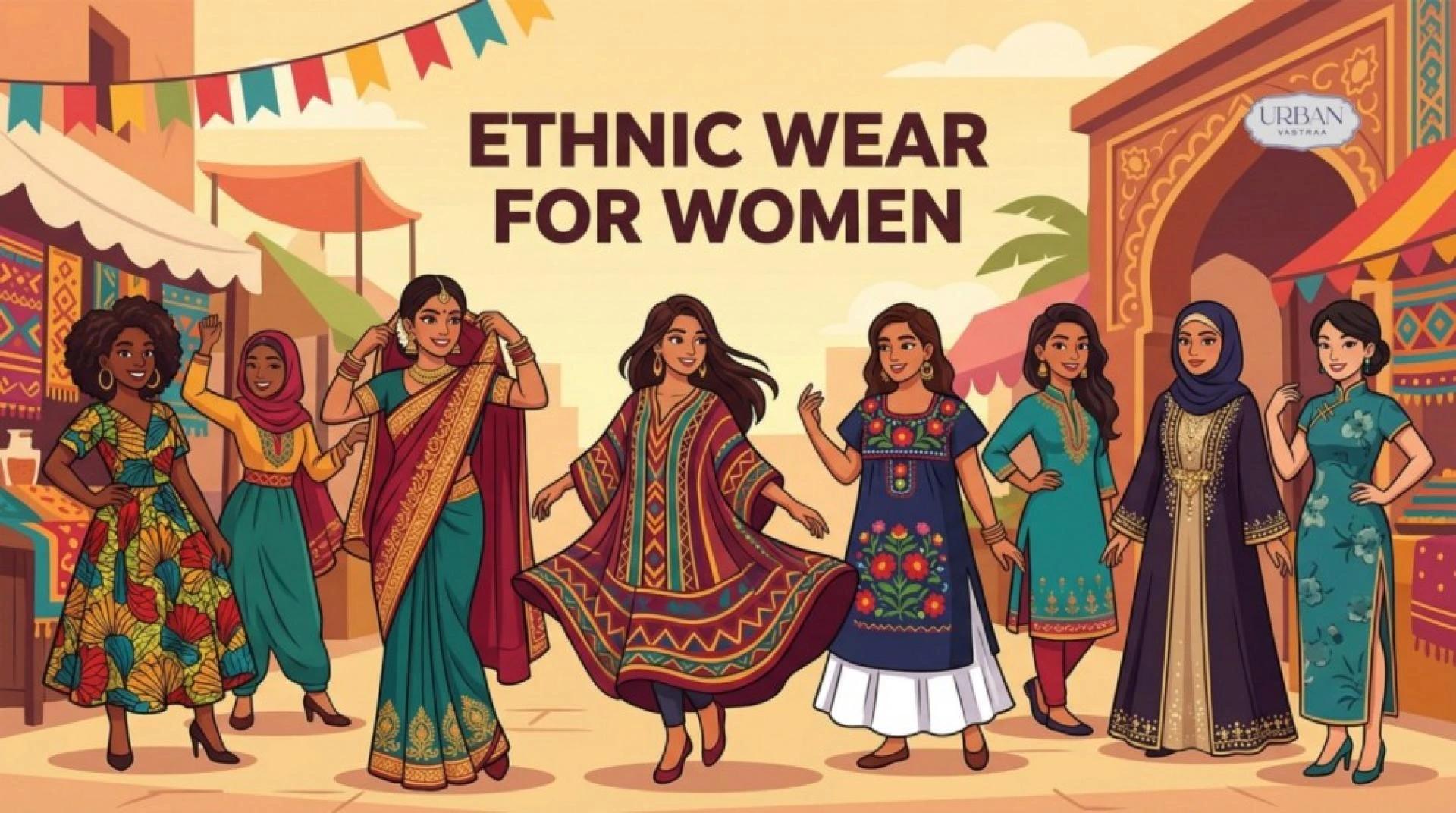
Fashion is a cycle, but style is an inheritance. When we talk about Ethnic Wears for Women, we aren’t just discussing garments; we are delving into a rich tapestry of history, craftsmanship, and cultural identity. For decades, traditional attire was often reserved for weddings or religious festivals. However, the contemporary fashion landscape has seen a massive shift. Today, ethnic wear is synonymous with versatility, offering a seamless blend of heritage and modern aesthetics that works just as well in a boardroom as it does at a sangeet.
The magic of Indian ethnic wear lies in its diversity. From the intricate weaves of Banarasi silk to the breezy comfort of Chikan embroidery, every region offers a unique silhouette. Modern designers and labels like Urban Vastraa are at the forefront of this evolution, ensuring that traditional motifs are reimagined for the fast-paced life of the 21st-century woman. By prioritizing breathable fabrics and ergonomic cuts, the brand bridges the gap between the grandeur of the past and the practical needs of the present, making ethnic fashion accessible for daily wear.
The Resurgence of the Classic Saree
The saree remains the undisputed queen of ethnic fashion. It is perhaps the only garment that has remained relevant for millennia without losing its charm.
- The Minimalist Movement: Gone are the days when sarees were only heavy, gold-laden drapes. Today, organza, chiffon, and linen sarees are trending for their lightweight feel and sophisticated look.
- The Belted Saree: A modern twist involves cinching the waist with a leather or metallic belt, giving the traditional drape a structured, edgy silhouette.
- Ready-to-Wear: Pre-stitched sarees have become a savior for women who love the look but struggle with the pleating process.
The Versatility of Kurtas and Tunics
If the saree is the soul of ethnic wear, the Kurta is its heartbeat. It is the most adaptable piece of clothing in a woman's wardrobe.
1. Straight-Cut Kurtas
Ideal for formal office settings, the straight-cut kurta provides a clean, professional line. When paired with cigarette pants or trousers, it strikes the perfect balance between authority and grace.
2. Anarkalis and Floor-Length Gowns
For those who love a bit of drama, the Anarkali remains a favorite. The flared silhouette is flattering for all body types and offers a regal vibe that is perfect for festive occasions.
3. Short Kurtis with Denim
The ultimate "Indo-Western" fusion. Pairing a short, block-printed kurti with distressed jeans is the go-to uniform for college students and creative professionals alike.
Fabric Matters: Choosing Comfort Over Trends
One of the most important aspects of selecting Ethnic Wears for Women is understanding the fabric. Because Indian weather can be unpredictable, the choice of material determines whether you’ll feel like a diva or just plain uncomfortable.
Fabric Type
Best For
Why We Love It
Cotton
Daily Wear / Summer
Breathable, skin-friendly, and absorbs moisture.
Silk
Weddings / Formals
High sheen, luxurious feel, and holds structure well.
Georgette
Evening Parties
Drapes beautifully and has a slight bounce.
Chanderi
Semi-Formals
A lightweight blend of silk and cotton with a subtle shimmer.
Breaking the "Festive Only" Myth
One of the biggest misconceptions is that ethnic wear is "too much" for a regular day. However, the rise of "Office-Ethnic" has changed this perception. Many women now prefer a well-tailored cotton suit set over a western suit because of the comfort it offers during long commutes and hours spent at a desk.
Accessories play a pivotal role here. You can take a simple white cotton suit and transform it into a festive ensemble by adding a heavy Phulkari dupatta and oxidized silver jhumkas. Conversely, wearing the same suit with a simple watch and stud earrings makes it a perfect professional outfit.
Sustainable Fashion and Ethical Ethnic Wear
As the world moves toward sustainability, ethnic wear stands out as a beacon of "Slow Fashion." Many traditional garments are handmade by local artisans, utilizing techniques like hand-block printing, vegetable dyeing, and hand-looming. Investing in these pieces isn't just a style choice; it’s a way to support local economies and preserve ancient art forms that are eco-friendly.
When you buy a hand-embroidered piece, you aren't just buying clothes; you're buying hours of human labor and generations of passed-down skill. This emotional connection to clothing is what makes ethnic wear so special compared to the "disposable" nature of fast-fashion trends.
Styling Tips for the Modern Woman
To truly master the art of ethnic fashion, one must learn the power of the "mix and match." Here are a few expert tips:
- Invest in Neutrals: Keep a collection of high-quality leggings, palazzos, and dupattas in neutral shades like beige, gold, black, and white. These can be paired with multiple kurtas.
- Focus on the Fit: No matter how expensive the outfit, a poor fit can ruin the look. Ensure your shoulders are aligned and the length of your trousers is tailored to your height.
- Experiment with Layers: Add a long ethnic jacket or a shrug over a simple camisole and skirt to create a bohemian-chic look.
- Footwear Choice: While heels look great with sarees, Juttis and Kolhapuris are the soulful companions of ethnic suits. They add an authentic touch that sneakers or pumps often lack.
Conclusion
The world of Ethnic Wears for Women is ever-expanding. It is a celebration of femininity that doesn't demand you fit into a specific mold. Whether you prefer the understated elegance of a monochrome suit or the vibrant explosion of colors in a lehenga, ethnic wear allows you to express your personality loudly and proudly.
In a world that is increasingly homogenized, wearing your culture on your sleeve (quite literally) is a powerful statement. It tells the world that you respect your roots while keeping your eyes firmly on the future. So, the next time you open your wardrobe, don't just reach for those jeans—explore the timeless grace of ethnic wear and let your style speak volumes.