In recent years, the safety of baby hygiene products has become a major concern for parents and the industry. As products such as diapers, baby wipes, and other disposable hygiene materials are in frequent and prolonged contact with delicate infant skin, consumers are paying increasing attention not only to product performance but also to the safety and transparency of raw materials.
The discussion around potential chemical residues in hygiene products has highlighted an important question: can manufacturers reduce unnecessary chemical inputs from the material source and create products with a naturally safer foundation?
This has accelerated interest in bio-based materials, among which PLA Fiber (Polylactic Acid Fiber) has become an increasingly important solution for sustainable and skin-friendly hygiene applications.
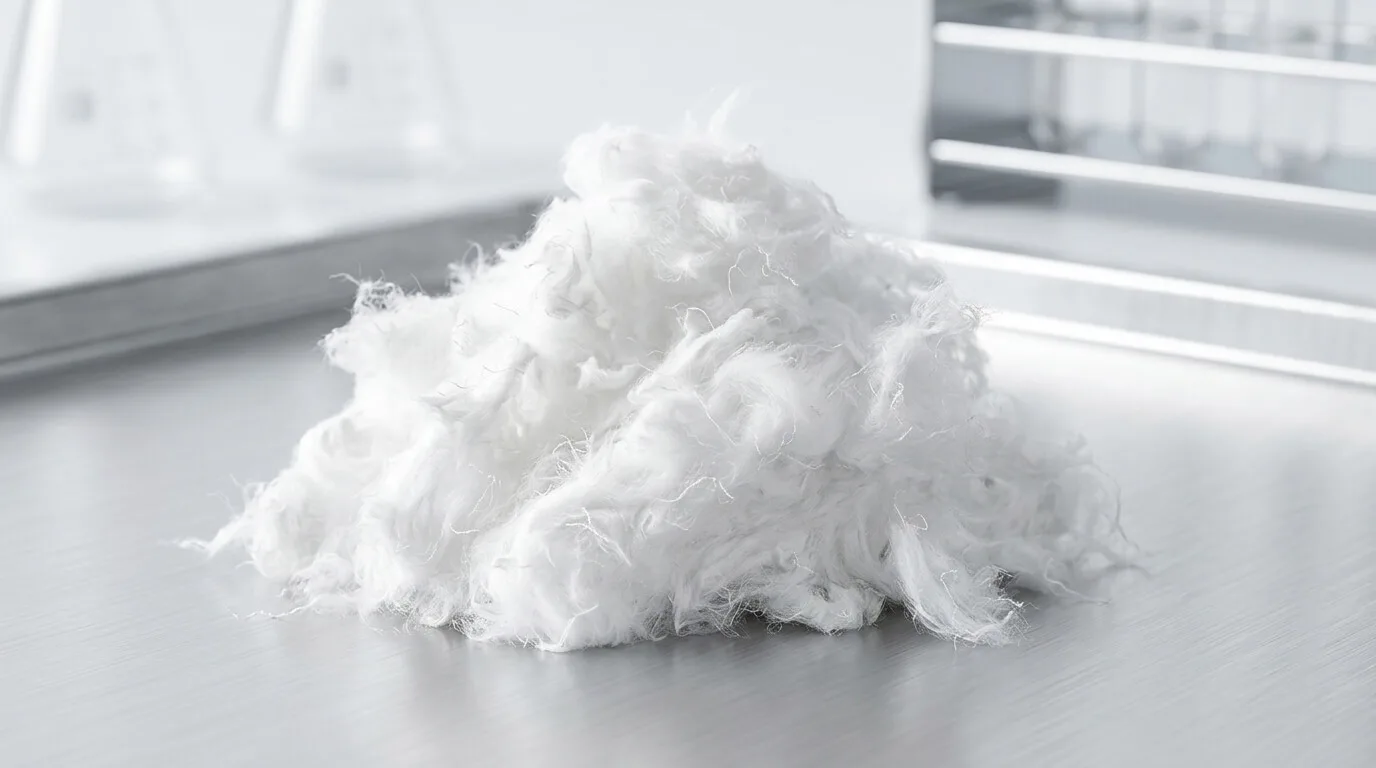
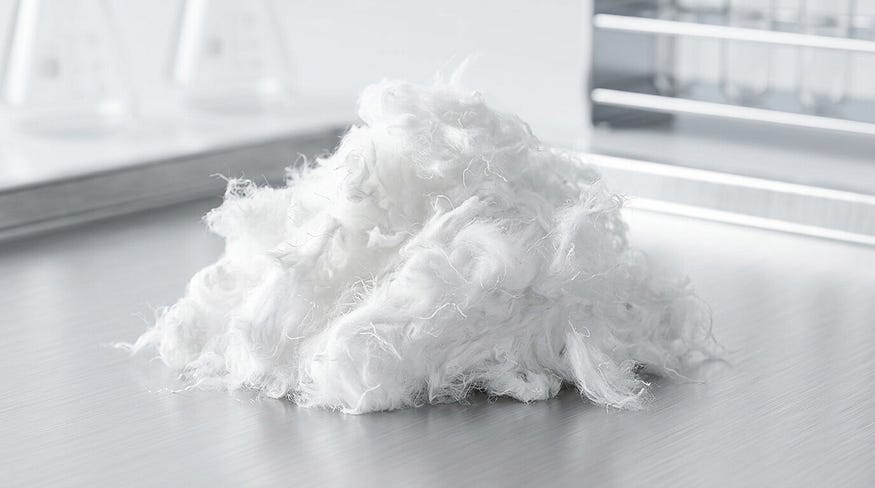
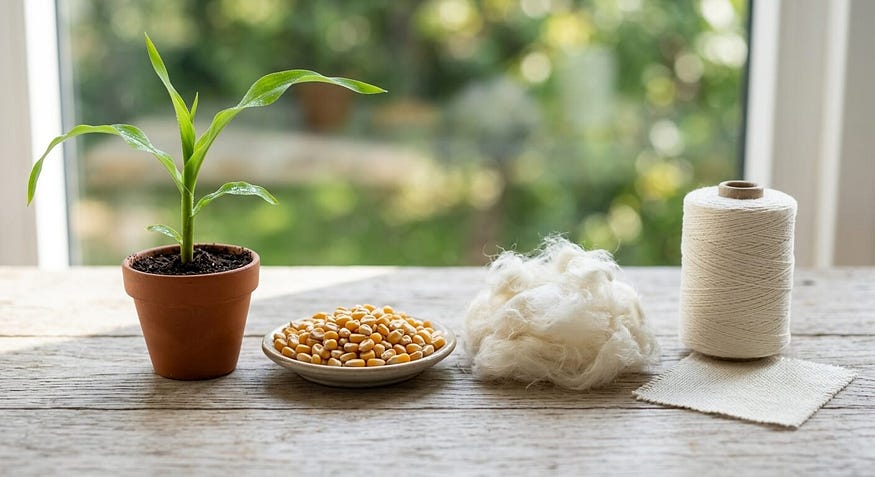
Unlike traditional petroleum-based fibers, PLA Fiber is derived from renewable plant resources and offers a combination of softness, processability, and environmental advantages. When applied to PLA non-woven fabric, it provides a new pathway for developing cleaner, more comfortable, and more reliable maternal and infant hygiene products.
What Makes PLA Fiber Suitable for Baby Hygiene Applications?
1. Adhesive-free thermal bonding helps reduce unnecessary chemical additives
One of the key advantages of PLA Fiber is its ability to support adhesive-free non-woven manufacturing processes.
eSUN’s PLA bicomponent fiber adopts a sheath-core composite structure, consisting of a lower melting point PLA sheath layer and a higher melting point PLA core layer. During thermal treatment, the sheath component partially melts and acts as a bonding medium, while the core component maintains fiber strength and structure.
Through this thermal bonding process, fibers can connect with each other without relying on additional chemical adhesives.
For disposable hygiene materials, this approach can help minimize the introduction of external bonding agents during production and provides manufacturers with a cleaner material option for applications such as diaper topsheets, acquisition distribution layers (ADL), and skin-contact layers.
2. Natural biocompatibility for gentle skin contact
Baby skin is thinner and more sensitive compared with adult skin, making material selection especially important.
PLA Fiber is produced from polylactic acid, a polymer derived from renewable plant-based resources. Polylactic acid has been widely studied and used in biomedical and consumer applications because of its good biocompatibility.
For hygiene products that require close contact with skin, PLA Fiber offers a naturally mild material profile and can help improve the softness and comfort of the final product.
By combining appropriate fiber design, processing technology, and fabric structure, PLA non-woven fabric can achieve a comfortable touch while meeting the functional requirements of disposable hygiene products.

3. Breathable structure helps improve moisture management
A comfortable diaper material needs to balance liquid management, dryness, and breathability.
PLA non-woven fabric can be engineered with a uniform fiber network and porous structure, allowing efficient air circulation and moisture transfer. This helps reduce the uncomfortable feeling caused by prolonged humidity and improves the overall wearing experience.
For infant hygiene products, good breathability and moisture control are important factors in maintaining skin comfort.
The application of PLA Fiber in topsheets and other functional layers can contribute to softer contact surfaces and improved user experience.
4. Natural material characteristics support cleaner hygiene solutions
PLA Fiber has attracted attention not only because of its renewable origin but also because of its unique material properties.
Polylactic acid can degrade into naturally occurring substances under suitable industrial composting conditions, making PLA-based materials an important direction in the development of sustainable products.
In addition, PLA Fiber does not require antibacterial additives simply to provide a bio-based material solution. Instead, manufacturers can focus on optimizing fiber structure, fabric design, and production processes to create hygiene materials that are safe, comfortable, and suitable for sensitive applications.
PLA Non-Woven Fabric: A New Direction for Sustainable Hygiene Materials
The future of baby hygiene products is moving toward a combination of safety, performance, and sustainability.
Traditional polypropylene (PP) non-woven fabrics remain widely used because of their mature technology and stable performance. However, as consumer expectations continue to rise, manufacturers are exploring alternative materials that can offer additional value in terms of renewable sourcing, reduced chemical processing, and improved user experience.
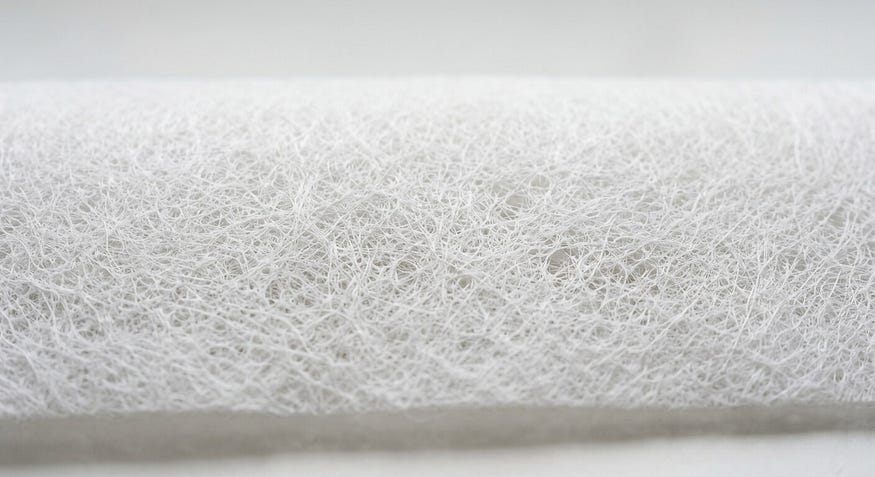
PLA non-woven fabric represents one of these emerging material solutions.
With advantages including:
· Renewable plant-based raw materials
· Adhesive-free thermal bonding possibilities
· Soft and skin-friendly characteristics
· Good breathability and moisture management
· Potential for more sustainable product development
PLA Fiber is becoming an important material option for high-quality maternal and infant hygiene products.
eSUN’s PLA Fiber Solutions for Hygiene Material Innovation
As a company focused on PLA material technology and fiber innovation, eSUN continues to explore advanced PLA Fiber and PLA non-woven fabric solutions for modern hygiene applications.
Based on independent melt direct spinning technology and continuous material development, eSUN provides PLA fiber products designed for applications including diaper topsheets, ADL layers, and other skin-contact non-woven materials.
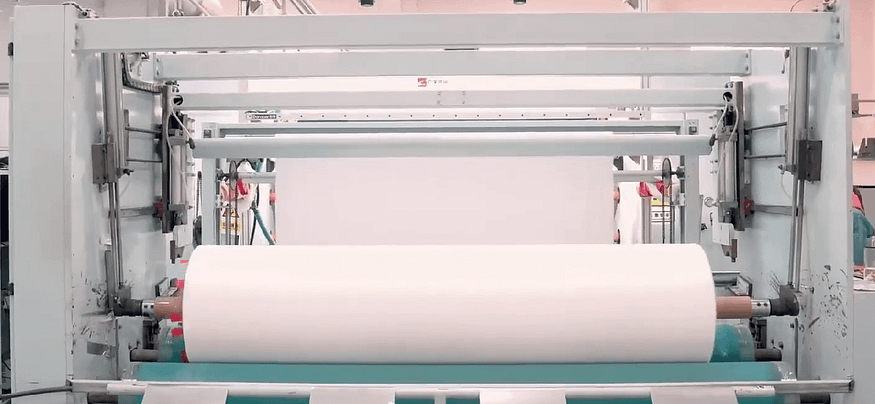
Through material innovation and process optimization, PLA Fiber is helping the hygiene industry move toward cleaner manufacturing approaches and more sustainable product experiences.
From safer raw materials to smarter manufacturing processes, PLA Fiber and PLA non-woven fabric are opening new possibilities for the next generation of baby hygiene products — bringing together comfort, performance, and responsible material development.