
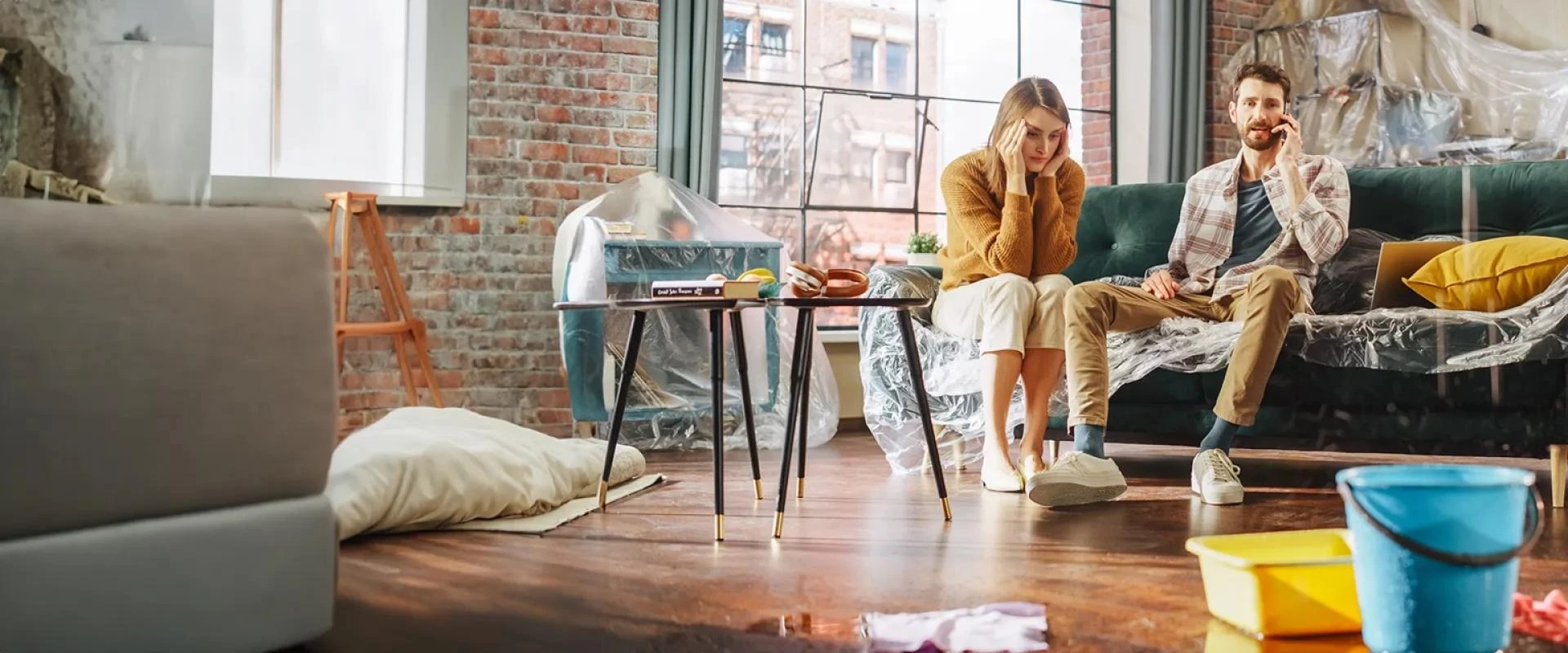
Water damage is one of the most common and destructive issues homeowners face. It can occur due to various reasons, including heavy rains, flooding, burst pipes, or appliance malfunctions. Regardless of the cause, water damage can have severe effects on your property, leading to structural damage, mold growth, and health risks. In Denver, where weather conditions can be unpredictable, it's essential to know how to handle water damage promptly to minimize its impact. This blog post will provide you with essential tips on how to deal with water damage in your Denver home, from immediate actions to long-term restoration.
Understanding Water Damage in Denver Homes
Before diving into the steps for handling water damage, it's crucial to understand what water damage is and how it can affect your Denver home. Water damage refers to the destruction caused by water or moisture infiltrating areas of your home, leading to a range of issues. This damage can be caused by natural disasters like floods, or internal problems like plumbing issues, leaky roofs, or malfunctioning appliances.
Denver’s climate, which experiences occasional heavy rains and snowmelt, can make water damage a significant concern. Additionally, during the winter months, frozen pipes can burst, adding to the risk. Without quick action, water can seep into the walls, floors, and ceilings, compromising the structural integrity of your property.
Immediate Steps to Take After Water Damage
When you discover water damage in your home, acting quickly is key to minimizing the destruction. Here are the first steps you should take:
- Ensure Your Safety
Your safety is the top priority when dealing with water damage. If the flooding is extensive or you suspect electrical hazards, evacuate your home immediately. Water and electricity do not mix, so it's essential to turn off the main power supply to avoid any risk of electrocution. If it's safe to do so, also turn off the water supply to stop the flow of water.
- Assess the Extent of the Damage
Once you’ve ensured your safety, begin assessing the damage. Identify the areas affected by water and determine if there is any significant flooding. Check for signs of structural damage such as sagging ceilings, warped floors, and cracked walls. The sooner you understand the extent of the damage, the better equipped you will be to handle it.
- Contact a Professional Water Damage Restoration Service
Water damage restoration is a complex process that requires professional expertise. Calling a reliable water damage restoration company in Denver or nearby areas, such as Water Damage Restoration Denver CO, is crucial to restoring your home effectively. They will have the necessary equipment and expertise to manage the water extraction, drying, and repairs. Additionally, they can help prevent secondary damage, such as mold growth, by acting quickly.
- Remove Standing Water
If the flooding is minor and it’s safe to do so, you can begin removing standing water with a wet vacuum or mop. For larger amounts of water, contact a professional restoration service that uses industrial-grade pumps to extract the water quickly. The faster you remove water from your home, the less damage it will cause.
Preventing Mold Growth After Water Damage
Mold is a significant concern after water damage, particularly in humid environments like Denver. Mold can begin growing within 24-48 hours after water exposure, so it’s essential to take steps to prevent it.
- Dry Out the Affected Area
After water removal, drying out the affected areas is crucial. Open windows and doors to promote airflow, and use dehumidifiers and fans to speed up the drying process. Keep in mind that drywall, insulation, and wood are especially susceptible to mold growth, so it’s essential to dry these materials as thoroughly as possible. Professional water damage restoration services like Water Damage Restoration Nampa can help by using advanced drying equipment to prevent mold growth effectively.
- Inspect for Hidden Moisture
Water can hide in places you may not see, such as behind walls, under flooring, or in ceilings. If you notice any musty odors or see signs of water damage in hidden areas, it may indicate that moisture is still present. Professionals will conduct thorough inspections using moisture meters to detect hidden water and ensure that all affected areas are properly dried out.
Long-Term Restoration and Repair
Once the immediate actions have been taken, the next step is the restoration and repair phase. This can be a lengthy process depending on the severity of the water damage, but addressing it effectively is vital to preserving your home’s value and integrity.
- Structural Repair
Water can compromise the structural integrity of your home, particularly in areas like floors, ceilings, and walls. Professional restoration services will assess the damage and make necessary repairs. This could involve replacing drywall, repairing floors, and reinforcing structural elements that have been weakened by water.
- Restore Your Belongings
Water can damage furniture, electronics, clothing, and other personal belongings. While some items may be beyond repair, many can be salvaged if addressed quickly. Professionals can help clean and restore furniture and other belongings affected by water damage, using specialized techniques such as ultrasonic cleaning for electronics or fabric restoration methods for clothing and upholstery.
- Prevent Future Water Damage
Preventing future water damage is crucial to protecting your home in the long run. Consider the following preventive measures:
- Inspect Your Roof and Gutters Regularly: A damaged roof or clogged gutters can lead to water intrusion. Regular inspections and maintenance can help prevent leaks that might lead to water damage.
- Maintain Your Plumbing: Ensure that your plumbing system is in good working condition. Replace old or cracked pipes, check for leaks, and keep an eye on appliances like washing machines and dishwashers for any signs of malfunction.
- Install a Sump Pump: If your basement is prone to flooding, a sump pump can help direct water away from your foundation and reduce the risk of water damage.
- Consider Water Detection Devices: These devices can alert you to leaks before they become major issues. Installing them in high-risk areas like basements, kitchens, and bathrooms can give you an early warning and allow you to act quickly.
Working with a Water Damage Restoration Professional
When dealing with water damage, it’s always best to work with a professional restoration company. Here are some reasons why professional services are essential:
- Expertise: Water damage restoration is a specialized field that requires knowledge of building materials, water removal techniques, and mold prevention. Professionals are trained to handle the complexities of water damage and can provide the best results.
- Efficient Equipment: Professional companies have access to industrial-grade equipment, such as water extractors, dehumidifiers, and air movers, which allow them to handle even the most severe water damage effectively.
- Insurance Assistance: Many water damage restoration companies work directly with insurance companies to help homeowners navigate the claims process. They can provide detailed documentation of the damage and help ensure you receive the appropriate compensation for repairs.
Conclusion
Water damage can be a stressful and overwhelming experience for homeowners in Denver. However, by acting quickly and following the right steps, you can minimize the damage and restore your home to its pre-damage condition. Remember to assess the damage, ensure your safety, contact a professional restoration service, and take steps to prevent mold growth. With the right approach, you can restore your home efficiently and reduce the long-term effects of water damage.
If you’re dealing with water damage in your Denver home, don’t hesitate to reach out to professionals like Water Damage Pros for expert assistance. They will guide you through the restoration process and ensure your home is fully restored, protecting your investment for the future.