Providing quality care in a nursing home involves more than meeting residents' medical and personal needs. Maintaining a clean, comfortable environment requires reliable access to everyday hygiene supplies, from handwashing essentials to cleaning products and personal protective equipment. For nursing homes across Ireland, choosing the right supplies helps staff maintain consistent routines while supporting residents' dignity, comfort and wellbeing.
A practical approach starts with understanding which products are needed, where they will be used and how the facility can maintain a dependable supply without unnecessary waste.
1. Hand Hygiene Essentials
Hand hygiene is one of the most important elements of infection prevention and control in residential care. The Health Service Executive (HSE) highlights its role in helping prevent the spread of infection in healthcare and nursing home environments.
Nursing homes should assess their requirements for essential products such as:
- Liquid hand soap and suitable dispensers
- Alcohol-based hand sanitiser for appropriate situations
- Disposable paper towels
- Wall-mounted or freestanding dispensers
- Clearly positioned hand hygiene facilities
These supplies should be available where staff, residents and visitors can use them appropriately. Soap and water remain important when hands are visibly soiled or contaminated with certain body fluids. Alcohol-based hand rub should be used in accordance with the facility's infection prevention procedures.
Regularly checking dispensers and replenishing consumables helps prevent interruptions to daily hygiene routines.
2. Cleaning and Disinfection Products
Shared spaces, bedrooms, bathrooms, dining areas and frequently touched surfaces all require appropriate cleaning arrangements. However, nursing homes should select cleaning products according to their intended use rather than assuming that every product is suitable for every surface.
Essential supplies may include approved surface cleaning products, suitable disinfectants, disposable cleaning cloths, mop heads and cleaning equipment. Facilities should follow manufacturer instructions for dilution, contact time, surface compatibility and safe handling.
Cleaning schedules should reflect the area's use, the level of contamination and the facility's infection prevention and control procedures. Keeping cleaning materials organised and readily identifiable also helps staff select the appropriate product for each task.
Where disinfectant wipes are used, staff should confirm that the product is suitable for the intended application and follow its instructions.
3. Personal Protective Equipment for Care Staff
Nursing home staff may need personal protective equipment (PPE) when providing personal care, handling body fluids or undertaking specific cleaning tasks. Having suitable PPE available helps staff follow the precautions required for their duties.
Common supplies include disposable examination gloves, disposable aprons and other protective items where indicated by the task and relevant risk assessment.
Different activities may require different levels of protection. Gloves should not replace hand hygiene, and disposable items must be changed and discarded according to the facility's procedures. Staff should also receive appropriate training on putting on and removing PPE safely.
When choosing these products, nursing home managers should consider fit, comfort, material, intended use and the availability of appropriate sizes.
4. Personal Care and Resident Hygiene Supplies
Every resident has individual personal care needs. Maintaining a suitable range of hygiene products allows care teams to support daily routines while respecting personal preferences, privacy and independence.
Depending on residents' requirements, useful supplies may include disposable wipes, tissues, washcloths, suitable cleansing products, continence care products and protective bedding materials.
The choice of products should reflect each resident's care plan, skin condition, sensitivities and level of independence. For example, a resident who needs assistance with washing may require different products from someone who manages most personal care independently.
Where appropriate, individual products should be clearly identified and stored hygienically. Care teams should also follow the facility's procedures to avoid cross-contamination between residents.
5. Spill Management and Waste Disposal Supplies
Accidental spills can occur during everyday care. Nursing homes should have clear procedures and appropriate equipment for responding to different types of spills, including those involving blood, body fluids or hazardous substances.
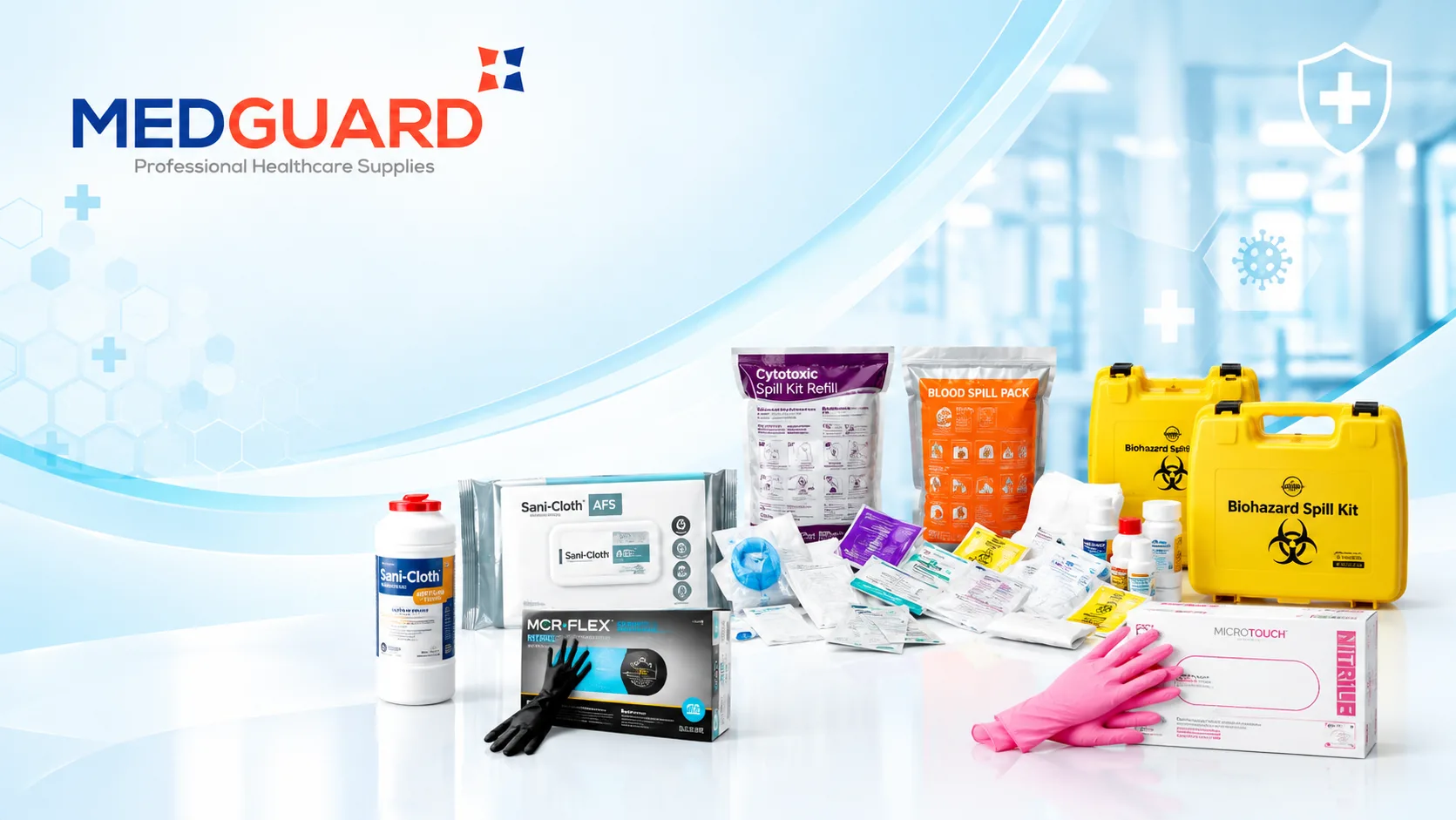
Depending on the facility's risk assessment, supplies may include absorbent materials, suitable disinfectants, disposable PPE, clinical waste bags and designated spill kits. Cytotoxic or other specialist spill kits may be necessary where relevant to the services and substances handled.
Staff should know which kit is appropriate, where it is stored and how to follow the manufacturer's instructions and facility procedures. Ordinary cleaning materials should not automatically be used for every spill.
Suitable waste containers and clear waste segregation procedures are equally important for keeping care areas organised and supporting safe disposal.
6. How to Manage Hygiene Supplies Effectively
Maintaining a comprehensive product range is only useful when essential items are available when staff need them. Poor stock management can lead to last-minute purchasing, unnecessary storage costs and avoidable disruption.
Nursing home managers can improve supply management by:
- Monitoring usage: Review which products are consumed most frequently.
- Setting reorder levels: Establish practical minimum stock quantities for essential items.
- Checking deliveries: Confirm that received products match the order and are in suitable condition.
- Rotating stock: Use products in accordance with expiry dates and storage instructions.
- Reviewing demand: Adjust purchasing plans when occupancy or care requirements change.
- Training staff: Make sure employees understand where supplies are stored and how to report shortages.
These steps can help facilities balance cost control with the need for reliable access to essential products.
7. Choosing a Healthcare Hygiene Supplier in Ireland
When sourcing Hygiene products in Ireland, nursing homes should look beyond the initial purchase price. Product suitability, clear specifications, availability, ordering convenience and dependable customer support all contribute to a practical purchasing decision.
Medguard Healthcare supplies healthcare-related products for professionals and care environments in Ireland. Nursing home managers can explore the available range to identify products that suit their facility's requirements, from everyday hygiene consumables to relevant protective and cleaning supplies.
Before placing an order, it is sensible to confirm product specifications, pack quantities, intended applications and delivery arrangements. Buying in suitable quantities can also help reduce repeated orders, provided products can be stored correctly and used within their recommended shelf life.
Conclusion
A well-planned hygiene supply system helps nursing homes maintain organised routines, support staff and provide respectful, resident-focused care. From hand hygiene and cleaning products to PPE, personal care essentials and spill management equipment, every category should serve a clearly defined purpose.
By reviewing their requirements regularly and sourcing appropriate products from suppliers such as Medguard Healthcare, nursing homes can take a more consistent approach to everyday hygiene. The priority is to keep suitable supplies available, ensure staff understand their correct use and maintain practices that support a clean, safe and comfortable residential care environment.
Original Source : https://thestarbiznews.com/why-does-hygiene-equipment-placement-matter-in-healthcare-settings/