Introduction
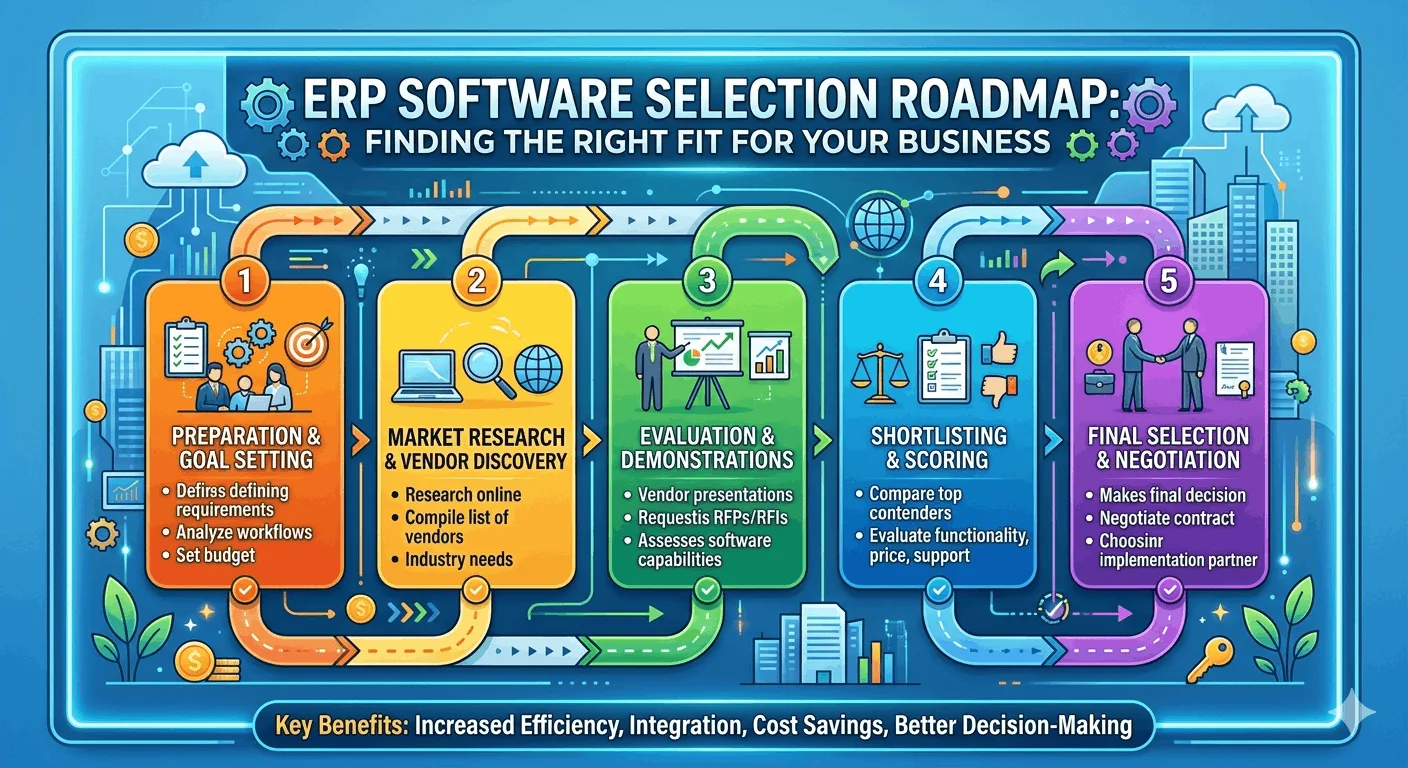
Handling multiple business activities without a connected system can create delays and confusion. Departments like sales, accounts, and inventory need proper coordination. ERP software helps bring everything into one place, making it easier to manage daily operations. The key step is choosing the right ERP system that supports both current work and future plans.
Understanding Internal Needs
Before selecting an ERP system, businesses should focus on their internal requirements. While comparing erp vs off the shelf, it is important to check which option fits daily operations better. Custom ERP systems are built based on specific needs, while ready-made ERP software offers general features. Many companies also review ready made erp vs custom erp to make informed decisions. An erp comparison guide helps in simplifying this process.
Ready-Made ERP and Its Challenges
Ready-made ERP systems are quick to set up and easy to use, which makes them a popular choice. However, they may not fully meet all business needs. The off the shelf erp limitations include fixed features and limited flexibility. Businesses often need to adjust their processes to fit the software, which can affect productivity over time.
Custom ERP for Business Growth
Custom ERP systems are designed to match business workflows. One of the major custom erp advantages is that companies can include only the features they need. This helps improve efficiency and reduces unnecessary steps. The erp customization benefits also allow businesses to make changes as they grow, making the system useful for long-term planning.
Implementation and Practical Use
ERP implementation should be planned carefully to avoid issues. Ready-made ERP systems can be deployed quickly, which is helpful for businesses that need immediate solutions. Custom ERP systems take more time but provide better alignment with operations. When comparing custom erp vs off the shelf, companies should consider both speed and usability. An erp comparison guide helps in evaluating these factors clearly.
Cost and Long-Term Value
Cost is an important factor when choosing an ERP system. Ready-made ERP solutions usually have lower upfront costs, making them suitable for smaller businesses. However, additional costs for upgrades and extra features can increase over time. Custom ERP systems require higher initial investment but provide better long-term value. Businesses often rely on an erp comparison guide to understand the cost of custom erp vs off the shelf.
Final Words
Choosing the right ERP system can improve how a business operates. Ready-made ERP solutions are ideal for quick setup and simple needs, while custom ERP systems offer flexibility and long-term benefits. By understanding custom erp advantages, erp customization benefits, and off the shelf erp limitations, businesses can make better decisions. A well-selected ERP system helps improve efficiency, reduce errors, and support steady growth.