
Environmental due diligence has become a critical part of modern real estate transactions, land development, and commercial financing. Whether a property is being purchased, refinanced, or redeveloped, understanding its environmental condition can protect buyers, lenders, and investors from significant financial and legal risks. An Environmental Site Assessment, commonly referred to as an ESA, is one of the most important tools used to evaluate those risks.
In this comprehensive guide, we will explore what an Environmental Site Assessment is, why it matters, how it works, and what property owners and investors should expect during the process.
Understanding the Purpose of an Environmental Site Assessment
An Environmental Site Assessment is a formal investigation conducted to identify potential or existing environmental contamination liabilities on a property. The primary objective is to determine whether current or historical uses of the land have resulted in contamination that could pose a risk to human health, groundwater, soil quality, or future development plans.
Environmental assessments are typically conducted before commercial property transactions. They are especially common for industrial properties, gas stations, manufacturing facilities, warehouses, and older commercial buildings. However, they are also increasingly required for residential developments and agricultural land where prior activities may have involved hazardous substances.
The legal foundation for Environmental Site Assessments in the United States is strongly tied to the Comprehensive Environmental Response, Compensation, and Liability Act (CERCLA), enforced by the United States Environmental Protection Agency. Under CERCLA, property owners can be held responsible for contamination even if they did not cause it. Conducting an ESA helps establish what is known as “All Appropriate Inquiry,” which can protect buyers from liability as an innocent landowner.
Why Environmental Site Assessments Matter in Real Estate
Environmental contamination can dramatically reduce property value and create expensive remediation obligations. Lenders often require an ESA before approving commercial loans because contamination can impact collateral value and increase default risk.
Beyond financial considerations, environmental contamination carries serious regulatory and reputational consequences. State environmental agencies and the United States Environmental Protection Agency have the authority to enforce cleanup actions, impose fines, and restrict property use. An Environmental Site Assessment allows stakeholders to identify problems early and make informed decisions about whether to proceed with a transaction, renegotiate terms, or require remediation.
For developers, environmental due diligence ensures that construction projects are not delayed by unexpected discoveries of underground storage tanks, contaminated soil, asbestos-containing materials, or groundwater pollution.
The Phases of an Environmental Site Assessment
Environmental Site Assessments are typically conducted in stages. Each phase builds upon the findings of the previous one and increases in depth and technical complexity.
Phase I Environmental Site Assessment
A Phase I ESA is the most common starting point. It does not involve soil or groundwater sampling. Instead, it focuses on research and site inspection.
During a Phase I ESA, environmental professionals review historical records, aerial photographs, fire insurance maps, regulatory databases, and property records. They conduct a site visit to observe current conditions and look for signs of contamination such as stained soil, distressed vegetation, chemical storage, or abandoned drums.
Interviews are also conducted with current owners, occupants, and sometimes local government officials. The goal is to identify Recognized Environmental Conditions, often abbreviated as RECs. If no RECs are found, the process typically ends there.
If potential contamination is identified, further investigation is recommended.
Phase II Environmental Site Assessment
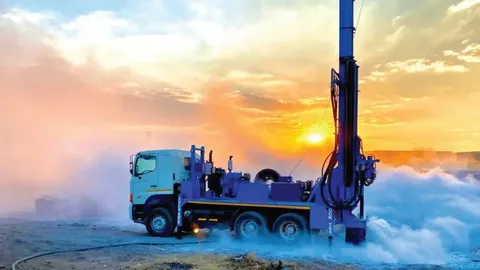
When a Phase I identifies concerns, the next step may involve subsurface investigation and laboratory analysis. This is where soil borings, groundwater monitoring wells, and sampling procedures come into play. In some cases, a phase 2 environmental site assessment is conducted to confirm whether contaminants are present and to determine their concentration levels.
Testing may focus on petroleum hydrocarbons, volatile organic compounds, heavy metals, pesticides, or other hazardous substances, depending on the site’s history. Laboratory results are compared against state and federal regulatory standards to determine whether remediation is required.
Phase III and Remediation
If contamination is confirmed, a more detailed remediation plan may follow. Although not always labeled as “Phase III,” this stage involves cleanup strategies such as soil excavation, groundwater treatment, vapor mitigation systems, or long-term monitoring.
Remediation requirements are often coordinated with state environmental agencies and must comply with federal regulations under CERCLA and related environmental laws.
Who Conducts an Environmental Site Assessment?
Environmental Site Assessments are performed by qualified environmental professionals. These individuals typically have backgrounds in environmental science, geology, engineering, or environmental consulting.
Industry standards for ESAs are commonly guided by ASTM International, specifically ASTM E1527 for Phase I Environmental Site Assessments. ASTM standards help ensure consistency, reliability, and compliance with federal All Appropriate Inquiry requirements.
Reputable environmental consulting firms employ multidisciplinary teams that understand environmental regulations, site investigation techniques, risk assessment methodologies, and remediation technologies.
What Is Reviewed During the ESA Process?
An Environmental Site Assessment examines both the subject property and the surrounding properties. Contamination does not respect property lines, so adjacent land uses are carefully evaluated.
Historical research may include old city directories, topographic maps, building permits, and environmental lien records. For example, if a property was previously used as a dry cleaner or auto repair facility, there may be a higher likelihood of solvent or petroleum contamination.
Environmental professionals also check federal and state databases to determine whether the site appears on lists maintained by agencies such as the United States Environmental Protection Agency, including the National Priorities List for hazardous waste sites.
This comprehensive approach ensures that both obvious and hidden environmental risks are considered.
Common Environmental Concerns Identified in Assessments
Environmental Site Assessments often uncover issues tied to industrial and commercial activities. Underground storage tanks are one of the most common concerns, particularly at former gas stations. Leaking tanks can release petroleum into soil and groundwater, requiring costly cleanup.
Asbestos and lead-based paint may also be identified in older buildings. While these materials are not always part of a standard Phase I ESA, they are often addressed in separate environmental compliance assessments.
Other frequent findings include polychlorinated biphenyls, commonly known as PCBs, mold contamination, and hazardous waste storage violations. Each of these conditions carries regulatory implications and may trigger further investigation.
The Role of Environmental Regulations and Liability
Environmental liability can extend far beyond the party responsible for contamination. Under CERCLA, property owners, operators, and even lenders may face legal exposure. This strict liability framework is one reason why Environmental Site Assessments are considered essential in commercial real estate.
The United States Environmental Protection Agency enforces federal environmental laws, but state environmental agencies also have their own regulatory programs. These agencies may impose cleanup standards, reporting requirements, and land use restrictions.
By conducting an ESA before acquisition, buyers can qualify for liability protections such as the Innocent Landowner Defense, provided they comply with All Appropriate Inquiry standards.
How Long Does an Environmental Site Assessment Take?
The timeline for an Environmental Site Assessment varies depending on the complexity of the property and the scope of investigation. A standard Phase I ESA can typically be completed within two to four weeks. If a Phase II investigation is required, the timeline may extend several weeks or months due to sampling, laboratory analysis, and regulatory coordination.
Turnaround time also depends on property size, historical use, access to records, and weather conditions that may affect fieldwork.
Costs Associated With Environmental Site Assessments
Costs vary widely based on location, property type, and investigative scope. A Phase I Environmental Site Assessment generally costs significantly less than a subsurface investigation. However, if contamination is identified, remediation expenses can escalate quickly.
While some buyers may view ESAs as an additional transaction cost, they are often minor compared to potential cleanup liabilities that can reach hundreds of thousands or even millions of dollars.
When Is an Environmental Site Assessment Required?
An Environmental Site Assessment is commonly required during commercial property transactions, mergers and acquisitions, refinancing, and redevelopment projects. Lenders, insurance companies, and investors frequently mandate an ESA as part of their risk management process.
Even when not legally required, obtaining an ESA can provide peace of mind and strengthen negotiating positions. In competitive markets, demonstrating environmental due diligence can expedite financing and closing timelines.
Final Thoughts on Environmental Site Assessments
An Environmental Site Assessment is far more than a regulatory formality. It is a strategic risk management tool that protects buyers, lenders, developers, and property owners from unforeseen environmental liabilities.
By identifying potential contamination issues early, stakeholders can make informed decisions, allocate resources wisely, and avoid costly surprises. Whether you are purchasing a warehouse, redeveloping a former industrial site, or securing commercial financing, understanding the environmental history of a property is a critical step.
In today’s regulatory environment, environmental due diligence is not optional. It is a fundamental component of responsible real estate investment and sustainable land use.