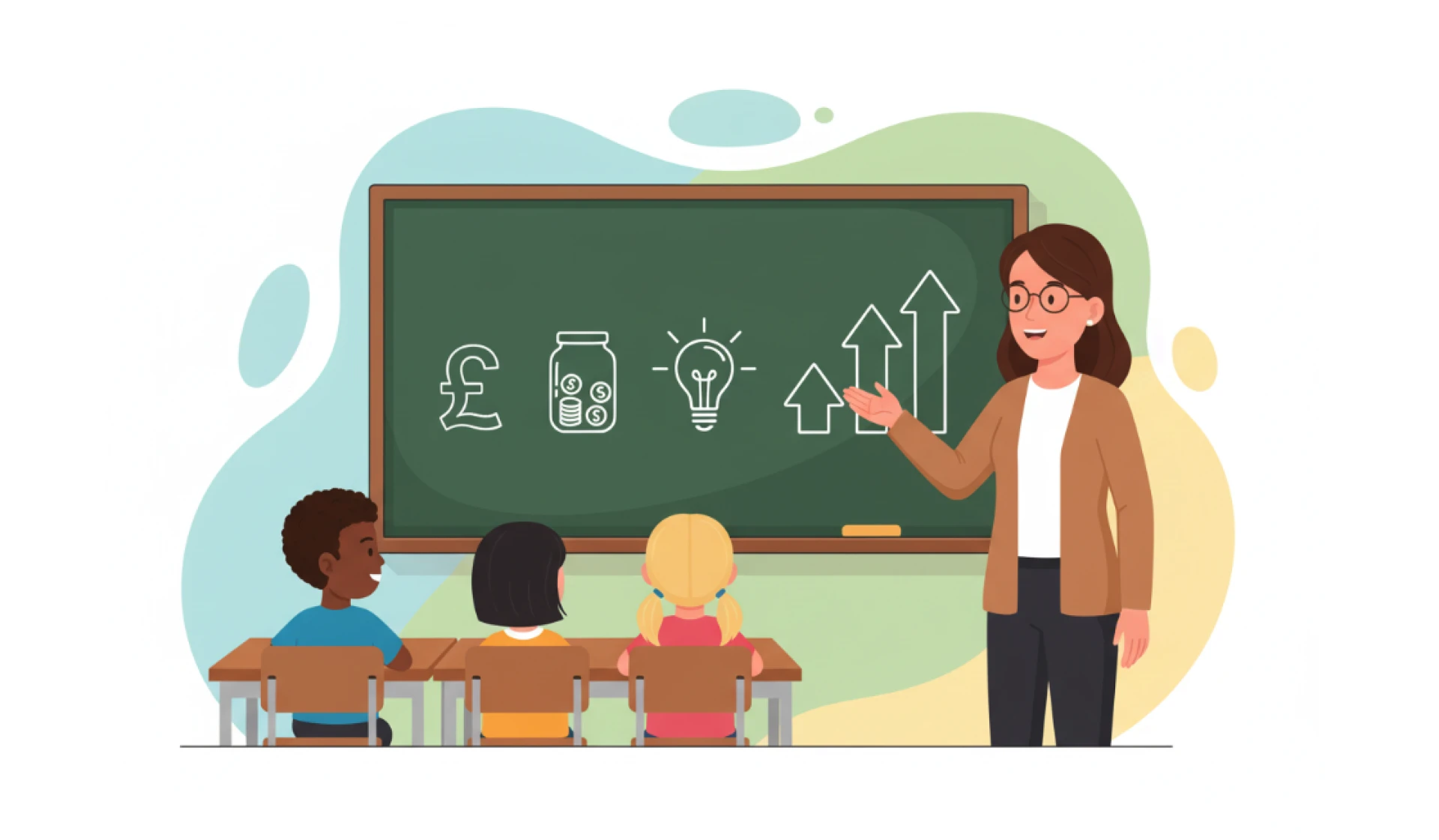
Financial wisdom is not something that develops overnight. It is cultivated slowly through experiences, lessons, guidance, and exposure. In today’s world—where digital payments, online shopping, and financial decisions are part of daily life—it has become more important than ever to equip children with essential money skills from an early age. This is exactly where financial education primary school age programs play a transformative role. Teaching children the foundations of financial literacy during their formative years helps build responsible, confident, and financially aware individuals.
Below is an in-depth guide exploring why financial learning should begin early, what topics are ideal for primary students, and how parents and schools can work together to make financial lessons engaging and meaningful.
Why Financial Education Matters at an Early Age
Children between the ages of 5 and 12 are remarkably receptive to new learning. Their brains are developing quickly, and their habits—both good and bad—are forming during this time. Early exposure to financial concepts ensures they develop a strong baseline understanding of how money works.
Studies show that attitudes and behaviors toward money are often developed by the age of seven. That means waiting until high school to teach budgeting or saving skills is simply too late. By integrating financial education primary school age programs, children grow up with confidence, clarity, and positive habits regarding money management.
Early learning helps children:
- Understand the value of money
- Learn to differentiate between wants and needs
- Develop discipline around saving and spending
- Build confidence in handling real-life financial situations
- Avoid common financial mistakes later in life
What Financial Topics Should Primary School Children Learn?
While financial topics can be vast and complex, primary-age students can easily grasp basic concepts if they are explained in simple, relatable ways. Here are some essential themes ideal for young learners.
Money Basics: Identifying and Understanding Currency
Children first need to understand what money is. Teachers and parents can introduce:
- Coins and notes
- What money is used for
- How people earn money
- Exchanging money for goods and services
Simple activities like pretend shopping or using play money can dramatically improve their understanding.
Saving and Goal Setting
Saving is one of the most fundamental financial habits, and primary-aged children are perfectly capable of learning it. Introduce ideas such as:
- Setting small goals (e.g., saving for a toy or book)
- Using piggy banks or savings jars
- Tracking progress visually
- Learning the joy of reaching a goal through patience
These small lessons help children form habits they will use their entire life.
Budgeting Basics for Kids
Budgeting can sound too complex for kids—but when simplified, it becomes fun and engaging. Children can learn:
- Allocating pocket money
- Prioritizing spending choices
- Understanding that money is limited
- Planning ahead for items they want to buy
Creating a mini weekly budget chart is an excellent hands-on exercise.
Needs vs. Wants
This is one of the most powerful financial lessons for children. Helping them differentiate between needs (food, clothing, school supplies) and wants (toys, video games, treats) teaches decision-making skills and financial responsibility.
The Concept of Earning Money
Even young children can learn about earning through age-appropriate tasks. It doesn’t need to be tied entirely to chores but can also include:
- Helping parents with small tasks
- Selling crafts or baked goods
- Participating in school fundraising activities
These experiences teach children the value of hard work and how effort relates to rewards.
Spending Wisely
Kids naturally get excited to spend money. Teaching them to spend wisely helps build long-term financial discipline. Encourage them to:
- Compare prices before buying
- Avoid impulse purchases
- Think before spending
- Evaluate if an item is worth the cost
This introduces the idea of financial consequences and smart decision-making.
Teaching Children About Sharing and Charity
Money is not just for saving and spending; it can also be used to help others. Many families and schools introduce charity jars or donation projects to teach generosity. This helps children understand compassion and social responsibility, which are essential values.
How Parents and Schools Can Support Financial Learning
Children learn best when lessons are reinforced both at home and in the classroom. A partnership between parents and educators can create a strong financial foundation.
Practical Ways Schools Can Teach Financial Education
Schools can integrate financial learning through:
- Storybooks about money
- Classroom shops or mini-economies
- Math lessons involving simple transactions
- Games that involve trading or earning
These make learning interactive and memorable.
How Parents Can Continue Money Lessons at Home
Parents can reinforce learning by:
- Discussing money openly
- Giving age-appropriate allowances
- Encouraging children to participate in small spending decisions
- Creating saving challenges
- Involving kids in grocery shopping experiences
These everyday interactions create natural opportunities to build financial confidence.
Building Lifelong Financial Confidence
Introducing children to financial concepts at an early age sets them up for long-term success. From budgeting and saving to spending responsibly, the habits learned in primary school shape financial behavior throughout adulthood. Early education ensures children grow into individuals who can manage their money wisely, avoid unnecessary debt, and make smart financial decisions.
By prioritizing a strong financial education primary school age curriculum, society invests in the future—creating generations that are not only financially smart but also empowered, confident, and responsible.