
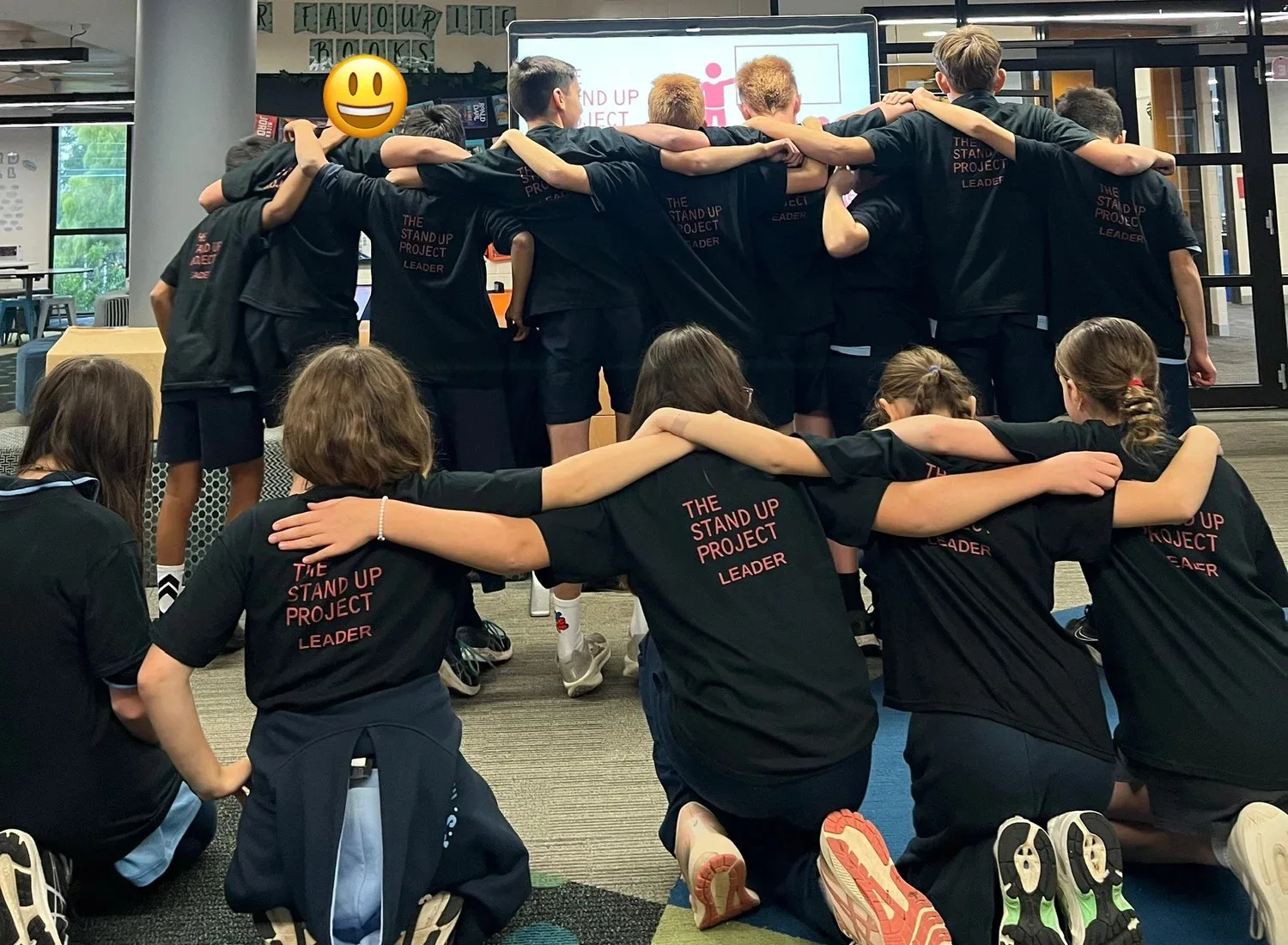
Creating a safe and supportive school environment goes far beyond enforcing rules. It requires a culture where students feel responsible for their actions and confident enough to support one another. While policies and discipline are important, real change happens when students themselves become part of the solution.
This is why bully prevention in schools and student leadership training are such powerful tools when combined. Together, they shift the focus from simply reacting to problems toward building a proactive, respectful, and inclusive community. By empowering students to lead with empathy and accountability, schools can create lasting positive change.
Why Bully Prevention Is Essential
Protecting Emotional Well-Being
Bullying can deeply affect a student’s mental health. It may lead to anxiety, low confidence, and disengagement from school activities. Preventing these situations helps students feel secure and valued.
Supporting Academic Success
A safe environment allows students to focus on learning. When fear and stress are reduced, participation and performance naturally improve.
Encouraging Respectful Behavior
Prevention programs teach students the importance of kindness, inclusion, and responsibility, helping shape a healthier school culture.
Understanding Bully Prevention in Schools
A Proactive Strategy
Bully prevention in schools focuses on stopping harmful behavior before it begins. Rather than waiting for incidents, schools introduce systems that promote awareness and positive interactions.
Key Components
- Education: Teaching students about different forms of bullying
- Empathy Development: Helping them understand the impact of their actions
- Clear Guidelines: Establishing rules and consequences
- Open Communication: Encouraging students to report concerns
Early Intervention
Recognizing warning signs early allows educators to address issues before they escalate, making prevention more effective.
What Is Student Leadership Training?
Building Future Leaders
Student leadership training is designed to develop essential skills that help students take initiative and guide others positively. It encourages them to become role models within their school community.
Core Skills Developed
- Communication: Expressing ideas clearly and confidently
- Teamwork: Collaborating effectively with peers
- Decision-Making: Handling situations responsibly
- Empathy: Understanding and respecting others’ perspectives
Real-World Application
Students apply these skills in everyday situations, such as resolving conflicts, organizing events, and supporting classmates.
How Leadership Supports Bully Prevention
Turning Students into Role Models
When students are trained as leaders, they naturally influence others. Their actions can set a positive example, encouraging respectful behavior across the school.
Encouraging Upstander Behavior
Leadership training empowers students to act when they witness bullying. Instead of remaining silent, they learn how to respond safely and support those in need.
Building a Supportive Community
A leadership-driven approach fosters teamwork and trust. Students feel more connected, reducing the likelihood of bullying behavior.
Key Elements of Effective Programs
Interactive Learning
Activities such as role-playing and group discussions help students understand real-life situations and practice appropriate responses.
Consistent Reinforcement
Programs must be supported by teachers and staff to ensure that lessons are applied consistently.
Student Involvement
Giving students leadership roles in campaigns and initiatives increases engagement and ownership.
Clear Policies
Well-defined rules and expectations create a structured environment where bullying is not tolerated.
Benefits of Combining These Approaches
Safer School Environment
Students feel more secure, which encourages participation and engagement.
Stronger Peer Relationships
Programs that promote empathy and leadership help build trust and connection among students.
Reduced Bullying Incidents
Proactive strategies and student involvement lead to fewer cases of harmful behavior.
Lifelong Skills
Leadership and social skills developed through these programs benefit students beyond school.
Practical Ways to Implement These Programs
Launch Awareness Campaigns
Organize activities that highlight the importance of respect and kindness.
Offer Leadership Workshops
Provide training sessions that focus on communication, teamwork, and problem-solving.
Encourage Peer Mentoring
Pair older students with younger ones to create guidance and support systems.
Involve Parents and Community
Collaboration ensures that positive values are reinforced both at school and at home.
Overcoming Common Challenges
Student Hesitation
Some students may feel unsure about participating. Creating an inclusive and encouraging environment can help build confidence.
Maintaining Consistency
Programs require ongoing effort and regular evaluation to remain effective.
Addressing Diverse Needs
Schools should adapt programs to meet the needs of different students, ensuring inclusivity.
The Future of School Culture
Education is evolving to focus not only on academics but also on emotional and social development. Schools are recognizing the importance of empowering students to lead and support one another.
By integrating leadership training with prevention strategies, schools can create environments where respect and responsibility are part of everyday life.
Conclusion
Bully prevention in schools and student leadership training together create a powerful framework for positive change. By teaching students to lead with empathy and take responsibility for their actions, schools can reduce bullying and build a culture of respect and inclusion.
When students are empowered to make a difference, they become active contributors to a safer and more supportive community. These efforts not only improve school life today but also prepare students for a more responsible and compassionate future.
Frequently Asked Questions (FAQ)
1. What is the goal of bully prevention in schools?
The goal is to stop bullying before it starts by promoting awareness and positive behavior.
2. How does student leadership training help prevent bullying?
It empowers students to act as role models and encourages them to stand up against harmful behavior.
3. Can these programs be implemented at all grade levels?
Yes, they can be adapted to suit different age groups and learning needs.
4. What role do teachers play in these programs?
Teachers guide, support, and reinforce the values taught through these initiatives.
5. How can parents support these efforts?
Parents can encourage open communication, model respectful behavior, and reinforce positive values at home.