Dental problems can appear unexpectedly and become uncomfortable very quickly. A severe toothache, broken tooth, swollen gums, or injury can interfere with eating, sleeping, and everyday activities. When a dental problem cannot reasonably wait for a routine visit, an emergency dentist appointment can help you get timely professional evaluation.
Jain Dental Care provides emergency dental care in Atlanta along with preventive, restorative, and general dental services. If you're dealing with an urgent dental concern, contacting the dental office can help you understand the appropriate next step.
What Is Considered a Dental Emergency?
A dental emergency typically involves a sudden problem that causes significant pain, injury, swelling, bleeding, infection, or damage to a tooth or surrounding tissues.
Situations that may require prompt dental attention include:
- Severe toothache
- Broken or fractured tooth
- Knocked-out permanent tooth
- Dental abscess
- Facial or gum swelling
- Persistent oral bleeding
- Damaged crown or filling
- Tooth loosened by an accident
- Dental trauma
- Sudden sensitivity following an injury
When you're uncertain about your symptoms, speaking with a dental professional can help determine how quickly you should be evaluated.
When Should You Request an Emergency Dentist Appointment?
An emergency dentist appointment may be appropriate when your symptoms are severe, sudden, or getting worse.
You should consider contacting a dentist if:
- Pain is interfering with sleep or normal activities.
- You cannot comfortably chew because of a painful tooth.
- Your gums or face are swelling.
- A permanent tooth has been knocked out.
- A tooth has suffered significant damage.
- You notice symptoms that could indicate an infection.
- Bleeding continues after an injury.
- A filling or crown has broken and is causing significant discomfort.
Prompt evaluation can help identify the source of the problem and determine an appropriate treatment plan.
Don't Ignore Severe Tooth Pain
Tooth pain can be caused by decay, infection, cracks, trauma, or other dental conditions. Persistent or intense pain should not simply be ignored because the symptoms may indicate an underlying problem.
Seek professional dental advice if your pain:
- Is severe or persistent
- Keeps getting worse
- Wakes you during the night
- Makes eating difficult
- Occurs with swelling
- Is accompanied by pressure or sensitivity
Temporary pain relief may help you feel more comfortable, but it does not necessarily treat the cause of the dental problem.
Broken or Cracked Tooth? Act Promptly
A broken tooth may result from an accident, sports injury, biting hard food, or weakened enamel.
After damaging a tooth, gently rinse your mouth with water and avoid chewing on the affected side. If a piece of the tooth has broken off, keep it safe and take it with you when you visit the dentist.
Depending on the condition of the tooth, your dentist may recommend restorative treatment to repair and protect it.
What to Do When a Permanent Tooth Is Knocked Out
A knocked-out permanent tooth requires prompt professional attention.
If you experience this type of injury:
- Locate the tooth.
- Hold it only by the crown.
- Avoid touching the root.
- Keep the tooth moist.
- Seek dental care as quickly as possible.
If the injury happened during a serious accident, additional medical evaluation may also be necessary.
Dental Abscesses and Swelling
Dental infections can cause intense discomfort and swelling around a tooth or gum. Other symptoms may include tenderness, drainage, unpleasant taste, or fever.
If you suspect an abscess:
- Do not attempt to drain it yourself.
- Avoid placing irritating substances on the area.
- Contact a dental professional promptly.
- Monitor swelling and other symptoms.
If swelling makes breathing or swallowing difficult, seek emergency medical attention immediately.
What Can Happen During an Emergency Dentist Appointment?
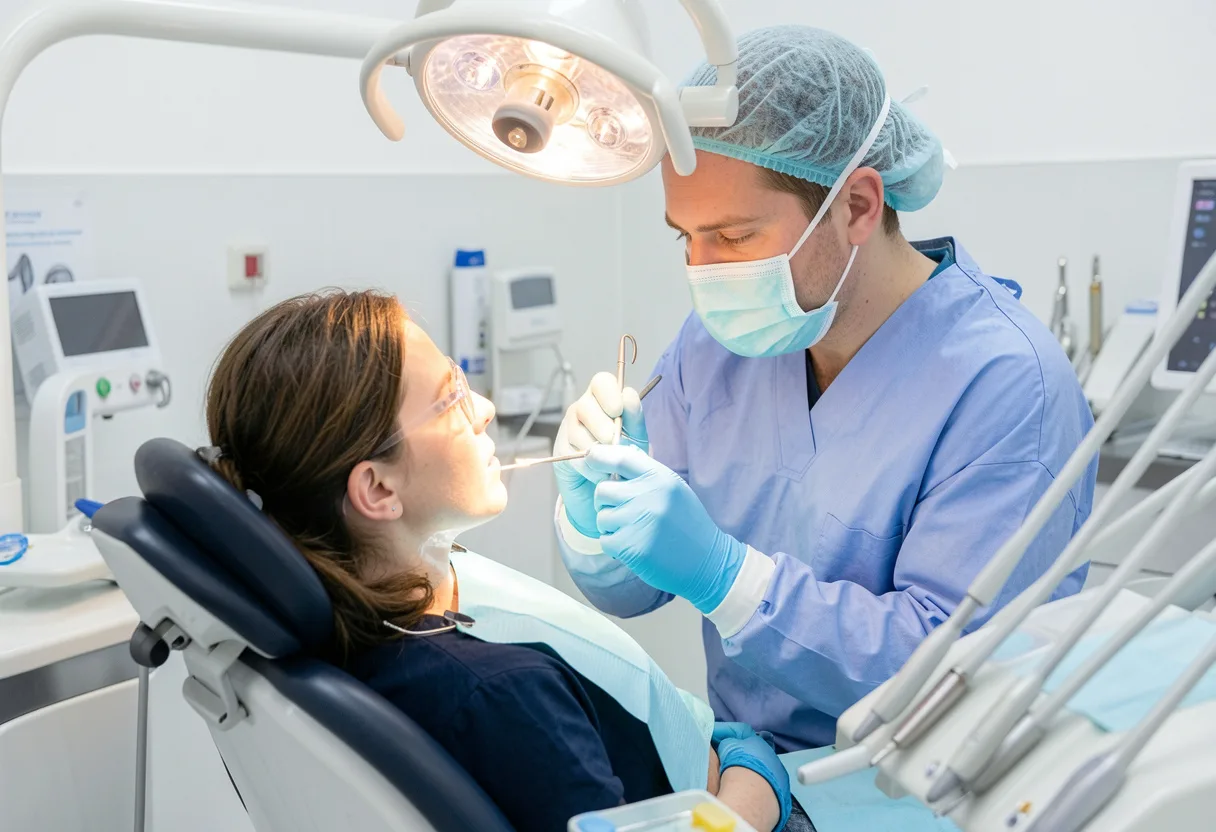
During an emergency dentist appointment, the dentist will evaluate your symptoms and examine the affected area. Diagnostic imaging may be used when clinically appropriate.
Treatment depends on the specific dental problem and may include:
- Emergency dental examination
- Dental X-rays
- Repair of damaged teeth
- Treatment for dental infections
- Emergency extraction when appropriate
- Filling repair or replacement
- Crown repair
- Temporary restorations
- Follow-up dental treatment
Jain Dental Care provides emergency care as part of its comprehensive dental services in Atlanta.
First-Aid Steps Before You See a Dentist
While arranging professional dental care, simple first-aid measures can help protect the affected area.
If you have swelling
Apply a cold compress to the outside of the cheek for short periods. Avoid applying ice directly to your skin.
If your mouth is bleeding
Use clean gauze and gentle pressure. If bleeding remains heavy or uncontrolled, seek emergency medical attention.
If a tooth is damaged
Avoid chewing on that side and don't attempt to repair or glue the tooth yourself.
If a permanent tooth is knocked out
Handle it carefully by the crown, keep it moist, and seek professional care promptly.
If you have tooth pain
Avoid foods and drinks that trigger sensitivity. If you use an over-the-counter pain reliever, follow the product directions and ensure it is medically appropriate for you.
These measures are temporary and should not replace dental treatment.
Why You Shouldn't Delay Urgent Dental Treatment
Some dental conditions can become more complicated when treatment is delayed. A dental infection may worsen, while a damaged tooth can become vulnerable to further injury.
Prompt dental evaluation may help:
- Identify the source of your symptoms
- Detect possible infection
- Address urgent dental problems
- Protect a damaged tooth
- Determine appropriate treatment
- Reduce the likelihood of additional complications
Early evaluation also gives you a clearer understanding of what is happening with your oral health.
Emergency Care or Routine Dental Care?
Understanding the difference can help you decide when to contact a dental office.
Routine dental visits may include:
- Dental examinations
- Professional cleanings
- Preventive care
- Planned restorative treatment
- Cosmetic consultations
Urgent dental care may be appropriate for:
- Severe tooth pain
- Significant swelling
- Dental trauma
- Knocked-out permanent teeth
- Serious tooth damage
- Suspected infection
- Persistent bleeding
Even when you don't have an emergency, routine dental care remains important for maintaining healthy teeth and gums.
Preventing Dental Emergencies
Not every dental emergency can be avoided, but preventive care can reduce the risk of some dental problems.
Protect your smile by:
- Brushing twice daily.
- Cleaning between your teeth regularly.
- Attending routine dental examinations.
- Scheduling professional cleanings.
- Wearing a mouthguard for contact sports.
- Avoiding hard objects that can damage teeth.
- Never using your teeth as tools.
- Contacting a dentist when persistent symptoms develop.
Regular dental care can also help identify problems before they become painful or urgent.
Emergency Dental Care in Atlanta
If you live in Atlanta and suddenly develop severe tooth pain, swelling, dental trauma, or serious tooth damage, don't wait unnecessarily to seek professional advice.
Jain Dental Care provides emergency dental care and comprehensive dental services for patients in Atlanta. The dental team can evaluate your symptoms and help determine the appropriate next step.
If you need an emergency dentist appointment, contact Jain Dental Care and explain your dental concern.
Contact Jain Dental Care Today
Dental emergencies can be stressful, but professional evaluation can help you understand the problem and available treatment options.
If you're in Atlanta and need an emergency dentist appointment, contact Jain Dental Care for professional dental care.
Don't ignore severe dental symptoms. Reach out to Jain Dental Care today to discuss your urgent dental concern and determine the appropriate care for your situation.