Introduction
Noise pollution has become one of the most common challenges in modern living and working environments. Whether it is constant traffic sounds, office chatter, or indoor echoes, unwanted noise can significantly affect comfort, concentration, and productivity. In such situations, solutions like acoustic sound proof insulation are increasingly being used to create quieter and more controlled spaces.
This method focuses on reducing sound transmission between rooms and minimizing echo within interiors. It is widely used in residential, commercial, and industrial settings where sound management is essential. By understanding how it works and where it is most effective, you can make smarter decisions for improving your indoor environment.
Understanding how sound travels in spaces
Before choosing any insulation method, it is important to understand how sound behaves. Sound travels in waves and can pass through air, walls, ceilings, and even small gaps in structures. Hard surfaces like concrete, glass, and tiles often reflect sound, creating echo and noise buildup.
When sound waves are not absorbed or blocked properly, they continue to bounce around a room, making it feel louder and less comfortable. This is why controlling both airborne noise and impact noise is essential in designing peaceful environments.
Why insulation plays a key role in noise control
Insulation is not just about temperature control; it also plays a major role in managing sound. Proper insulation materials are designed to absorb vibrations and reduce the transfer of sound between spaces.
In offices, for example, insulation helps reduce distractions from nearby conversations. In homes, it can prevent external noise from entering bedrooms or living areas. This makes interiors more peaceful and improves overall quality of life.
When combined with proper installation techniques, insulation becomes a powerful tool for controlling unwanted noise effectively.
Key areas where insulation makes the biggest impact
Certain areas in a building benefit more from sound control than others. Walls shared between rooms are one of the most critical points, especially in apartments and office buildings. Ceilings also play an important role, as sound often travels vertically between floors.
Floors themselves can transmit impact noise such as footsteps or moving furniture. Treating these areas helps create a more balanced acoustic environment. Even doors and windows can be upgraded with insulation materials to minimize sound leakage.
Choosing the right materials for better sound performance
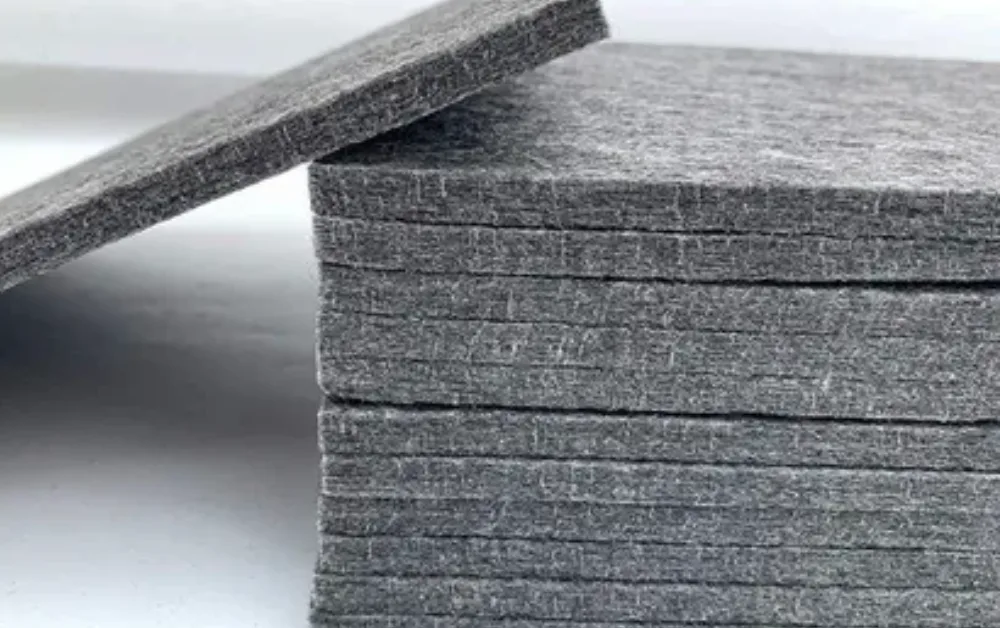
Not all insulation materials provide the same level of sound control. Some are designed to block noise, while others focus on absorbing it. Materials like mineral wool, fiberglass, and acoustic foam are commonly used due to their high sound absorption properties.
The effectiveness of insulation depends on thickness, density, and proper installation. Gaps or improper fitting can significantly reduce performance. That is why selecting the right material combination is essential for achieving optimal results.
In many professional projects, acoustic sound proof insulation systems are customized based on the building type and noise levels to ensure maximum efficiency.

Common mistakes that reduce insulation effectiveness
One of the biggest mistakes people make is ignoring small gaps and weak points in walls or ceilings. Even tiny openings can allow significant sound leakage. Another common issue is using the wrong material for the wrong environment, which leads to poor performance over time.
Improper installation is also a major problem. Without professional handling, insulation layers may not align properly, reducing their ability to block or absorb sound. Regular inspection and maintenance are equally important to ensure long-term effectiveness.
Benefits of creating a well-insulated environment
A properly insulated space offers several advantages beyond noise reduction. It improves focus and productivity in work environments by minimizing distractions. In homes, it enhances relaxation and sleep quality by blocking external disturbances.
It also adds value to properties, as soundproofing is considered a premium feature in modern real estate. Additionally, it helps create a more private and comfortable atmosphere, especially in shared or high-traffic areas.
Conclusion
Managing noise effectively is essential for creating comfortable and functional indoor spaces. With the right insulation methods, it is possible to significantly reduce unwanted sound and improve overall living or working conditions. From selecting the right materials to ensuring proper installation, every step plays an important role in achieving the best results.
For reliable solutions and expert guidance, Perfect Acoustics offers professional support to help you design quieter, more efficient, and well-balanced environments tailored to your needs.