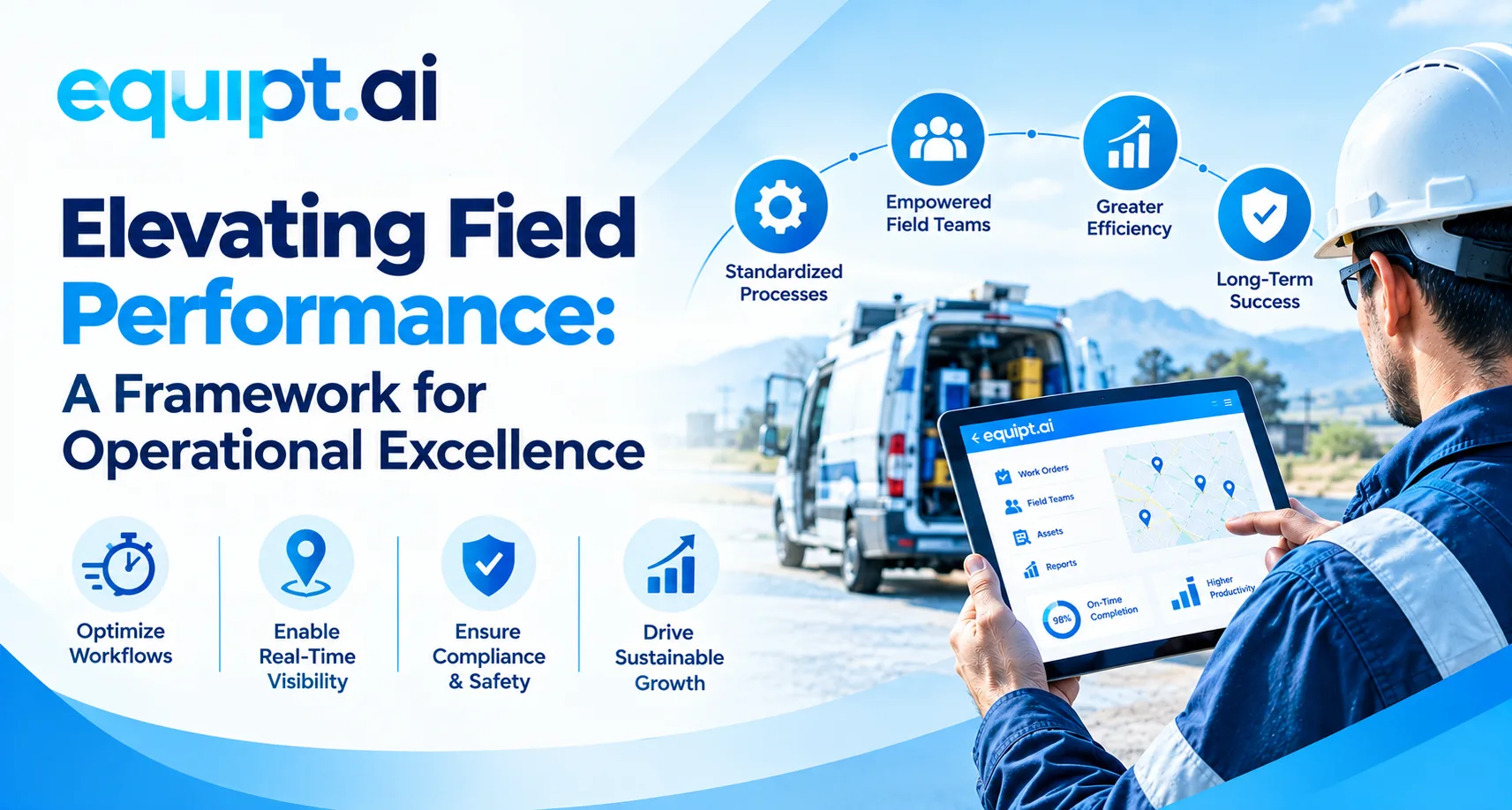
Managing mobile teams across multiple service locations demands clear organization and continuous tracking. Service organizations must handle incoming emergency repair requests, plan routine preventive maintenance, dispatch skilled field personnel, and execute prompt client billing without causing internal administrative friction. When these everyday operational tasks depend on disjointed systems, delays and communication gaps quickly compound across the business.
To build an efficient and scalable service operation, modern organizations are adopting unified digital systems. Consolidating scheduling, resource management, and mobile field tracking into a single digital structure helps companies reduce administrative costs, shorten billing cycles, and deliver consistently high service quality.
Common Friction Points in Traditional Field Operations
Service companies relying on legacy tracking methods face persistent operational challenges that limit business growth and lower profitability.
Suboptimal Dispatching and Inefficient Routing
Without complete, live visibility into technician availability and active vehicle locations, office staff rely on rigid or static schedules. This lack of real-time route optimization results in longer drive times between appointments, higher fuel expenses, and fewer completed jobs per day.
Communication Barriers Between Field and Office
When field technicians lack mobile access to historical customer records, past repair notes, or equipment specifications, they must frequently call the office for support. These interruptions slow down job completion, extend repair times, and lower customer confidence in technical service capabilities.
Administrative Invoicing Delays and Error Risks
Relying on physical paper forms, manual sign-offs, and handwritten time logs introduces unnecessary administrative lag. Processing paper work orders through accounting systems delays payment collection and increases the likelihood of data entry mistakes during billing.
Core Capabilities of Modern Service Workflows
Adopting an integrated digital system replaces fragmented communication with clear, structured processes across every stage of service delivery.
Intelligent Dispatching and Automated Scheduling
Modern scheduling platforms analyze technician skill sets, current inventory, live locations, and job priorities to construct optimized daily agendas. Office staff can reassign appointments or integrate urgent service requests easily without disrupting planned schedules.
Mobile Enablement for On-Site Technicians
Providing mobile access to technicians ensures that work orders, digital forms, service histories, and technical manuals are always available on mobile devices. Technicians can update job progress in real time, record parts used, attach site photos, and capture customer signatures directly on site.
Real-Time Parts and Inventory Tracking
Tracking spare parts across individual work vehicles and central warehouses ensures that field crews arrive at job sites fully prepared. Automated stock updates alert managers when supplies run low, preventing job delays caused by missing parts.
Accelerated Invoicing and Revenue Processing
Connecting field reporting directly to back-office accounting platforms speeds up the cash flow pipeline. Once a customer signs off on a completed job, the system can automatically generate an accurate invoice, eliminating long delays between job completion and payment.
Selecting the Right Technology for Service Operations
Choosing an effective digital platform is critical for service providers seeking long-term operational sustainability. Evaluating software options based on how smoothly they integrate field activity with back-office operations ensures reliable business outcomes.
When searching for tools to improve workforce coordination, growing businesses look for solutions that combine scheduling, route optimization, and client notifications into one unified interface. Implementing a robust field service management software allows organizations to connect dispatchers, technicians, and managers seamlessly on a shared digital network. By streamlining daily dispatching, task tracking, and invoicing tasks, companies minimize operational bottlenecks and deliver dependable service on every call.
Beyond primary dispatching capabilities, service providers should evaluate software based on platform usability, system security, scalability, and compatibility with existing accounting tools or customer management software.
Steps for Successful Software Deployment
Deploying a new operational framework requires a structured approach to change management and employee onboarding.
Audit Existing Operational Workflows
Before configuring new software settings, document every step of your existing service process—from customer inquiry to final invoice settlement. Identify manual friction points and paper-heavy tasks so digital workflows can be configured to solve real operational bottlenecks.
Provide Targeted, Role-Based Training
Design specific training modules based on how different employees interact with the system. Office dispatchers need comprehensive guidance on schedule building, calendar views, and reporting tools, while technicians need practical instruction on mobile navigation, offline logging, and signature collection.
Establish Standardized Data Entry Guidelines
Analytics and reporting depend directly on the quality of data entered into the system. Establish clear rules for logging site notes, registering used parts, updating work order statuses, and filing safety checklists to maintain database accuracy.
Track Key Performance Metrics Continuously
Once digital workflows are active, evaluate key performance indicators regularly to identify opportunities for continuous improvement. Key metrics to monitor include:
- First-time fix rate
- Average driving time per service call
- Total completed work orders per day
- Elapsed time from job completion to billing
- Customer satisfaction scores
Regularly evaluating these metrics allows management to adjust dispatch rules, optimize parts allocation, and consistently elevate service standards.
Future Trends Transforming Field Service
The field service industry is shifting toward proactive, data-driven operational models enabled by rapid technological innovation.
Predictive Maintenance with Connected Equipment
Internet of Things sensors allow industrial assets to send real-time diagnostic data directly to management platforms. Instead of waiting for equipment failures, connected tools generate maintenance work orders automatically before an operational breakdown occurs.
AI-Powered Dynamic Routing Optimization
Artificial intelligence goes beyond basic map routing by evaluating live traffic data, job complexity, and historical task duration to generate optimized daily agendas. This ensures technicians spend less time behind the wheel and more time completing billable service calls.
Customer Self-Service Experience Portals
Modern customers expect clear, immediate visibility regarding their service appointments. Self-service portals allow clients to request appointments online, track technician arrival times in real time, access historical job reports, and approve service estimates digitally.
Building a Resilient Field Service Business
Digital transformation provides field service companies with the structure required to scale operations efficiently. Replacing paper forms and disjointed communication channels with automated dispatching, real-time tracking, and mobile workflows reduces overhead costs while increasing client satisfaction.
Investing in integrated digital workflows positions field service businesses for long-term growth, empowering teams to operate efficiently, lower administrative costs, and deliver high standards of service on every project.