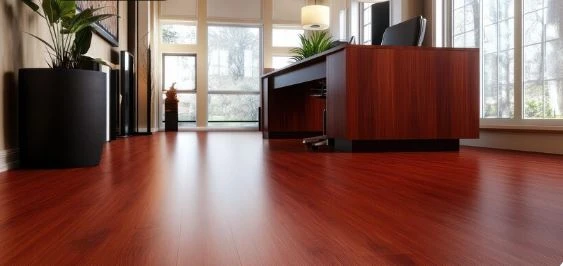
When it comes to selecting flooring that exudes timeless beauty, warmth, and refinement, few materials stand out like cherry wood. Known for its rich color palette, smooth grain, and natural elegance, cherry wood has long been associated with luxury homes, high-end renovations, and spaces designed to impress. In this article, we’ll explore why cherry wood is such a powerful element in elegant flooring design, how it compares to other wood species, and what homeowners, designers, and renovators should know before making the investment.
The Rich Character of Cherry Wood
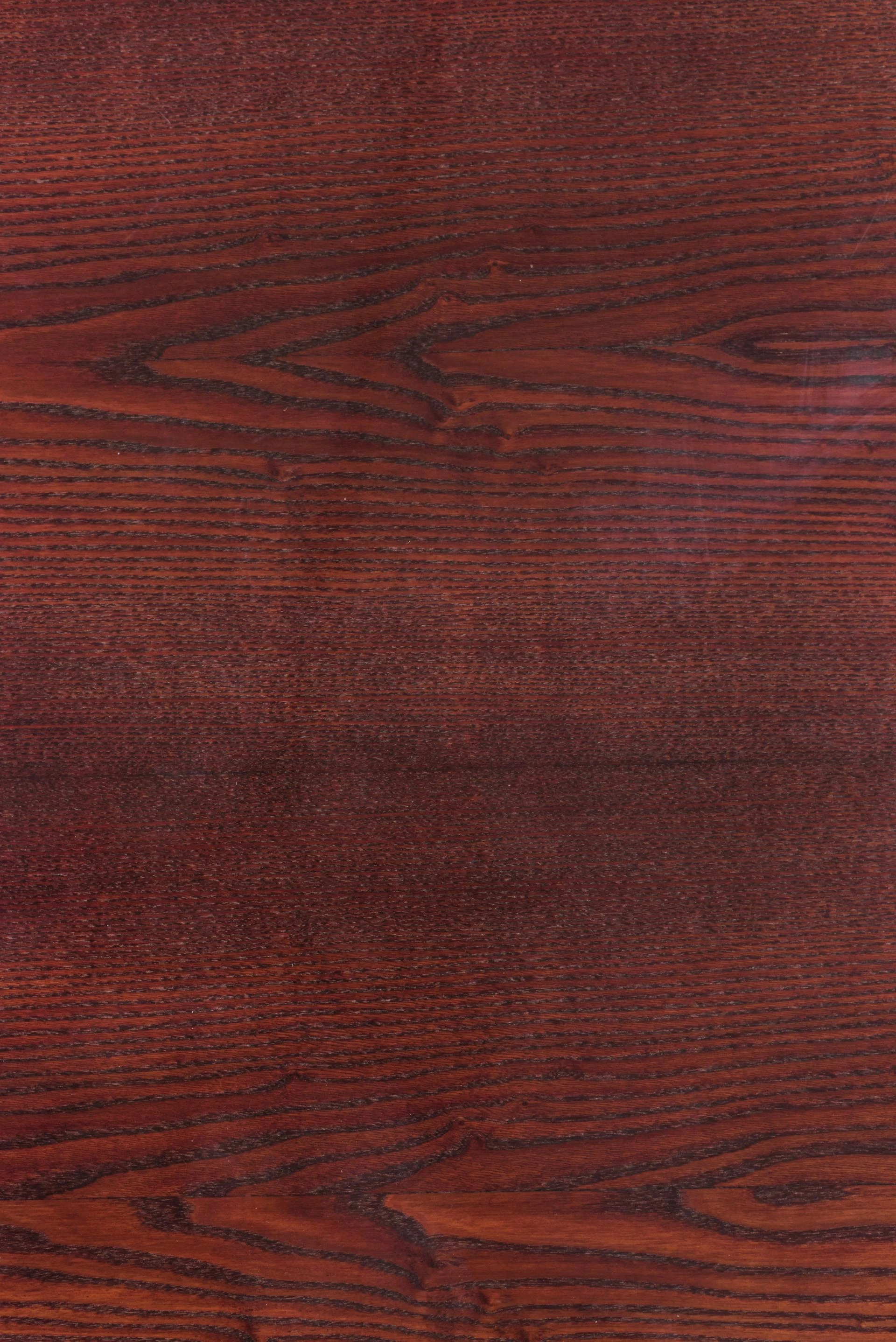
Cherry wood, particularly American Black Cherry, is celebrated for its fine grain and deep, reddish-brown hue. It starts with a light pinkish tone and deepens over time due to oxidation and exposure to light. This natural darkening process adds character and richness, making each plank truly unique. This maturation is part of what makes cherry wood such an attractive option for elegant flooring—it ages gracefully, developing a richer appearance as the years go by.
Unlike many other hardwoods, cherry wood has a velvety texture and fine, straight grain that gives it a uniform look. This consistency is ideal for spaces where a seamless and sophisticated aesthetic is preferred, whether in traditional homes or more modern interiors.
Why Cherry Wood Equals Elegant Flooring
When you hear the term elegant flooring, what comes to mind? Smooth finishes, a cohesive visual flow, a rich but understated tone, and a feeling of craftsmanship and permanence. Cherry wood checks all these boxes. Its warm red-brown tones complement both dark and light décor elements, while its silky finish offers a luxurious underfoot feel.
Additionally, cherry wood pairs exceptionally well with a wide range of interior styles—from classic Victorian or Colonial homes to Scandinavian-inspired minimalist layouts. It adapts without losing its own character, making it a favorite among architects and designers looking to bring cohesion and class to a project.
A Sustainable Luxury
One of the most compelling aspects of cherry wood is that it is a sustainable choice when sourced responsibly. American Black Cherry is abundant in the northeastern United States and harvested with strong forestry practices. Homeowners looking to combine elegant flooring with an environmentally-conscious mindset will appreciate that cherry wood is both beautiful and sustainable.
Moreover, cherry trees grow faster than many other hardwood species like oak or walnut, reducing the environmental strain of harvesting. Choosing cherry wood from certified sources ensures that you’re investing in a product that’s as kind to the planet as it is to your space.
Comparing Cherry Wood to Other Flooring Options
So how does cherry wood compare to other hardwood options commonly used in flooring?
- Versus Oak: Oak is durable and widely used, but it lacks the refined grain and darkening elegance of cherry. While oak can offer rustic charm, cherry is the go-to for sophistication.
- Versus Maple: Maple is hard and light in color. While it’s a great option for contemporary spaces, it doesn't provide the depth or warmth that makes cherry wood ideal for elegant flooring.
- Versus Walnut: Walnut is a direct competitor in terms of elegance. However, walnut is typically darker and more expensive. Cherry offers a similar visual appeal at a more accessible price point.
In short, cherry wood occupies a sweet spot—elegant, warm, affordable, and versatile.
Maintenance Tips for Long-Lasting Elegance
Though cherry wood is slightly softer than oak or hickory, with the right maintenance it can last generations:
- Avoid Heavy Impact: Use felt pads under furniture to prevent denting.
- Control Light Exposure: Since cherry wood darkens over time, rotate rugs and furniture to allow even exposure.
- Use the Right Cleaner: A damp mop with a pH-neutral cleaner is ideal. Avoid abrasive materials or strong chemicals.
- Refinish When Needed: Cherry wood can be refinished to restore its sheen and eliminate surface scratches.
With regular care, cherry wood retains its elegant flooring status for decades.
Design Tips: Styling with Cherry Wood Floors
The warm, luxurious tones of cherry wood create a cozy yet refined ambiance in any room. Here are a few ideas to style your space with cherry wood floors:
- Light Walls for Contrast: To highlight the richness of cherry wood, pair it with cream, off-white, or pastel wall colors.
- Metal Accents: Bronze, gold, or matte black fixtures create a sophisticated contrast.
- Area Rugs: Light, textured area rugs can break up the red tones and add visual balance.
- Furniture Matching: Go for neutral upholstery or natural wood furniture to complement cherry flooring without overwhelming the space.
Whether you're designing a home office, living room, or master suite, cherry wood offers a foundational elegance that can be dressed up or down depending on your taste.
Where to Use Cherry Wood Flooring
Cherry wood is versatile enough to be used in almost any area of the home:
- Living Rooms: Warm and inviting, ideal for cozy evenings and formal gatherings alike.
- Bedrooms: Soft underfoot and visually soothing, perfect for rest and relaxation.
- Home Offices: Adds gravitas and style, ideal for professional or creative environments.
- Dining Rooms: Elegant and welcoming, especially when paired with traditional dining sets and chandeliers.
It’s best to avoid using cherry wood in high-moisture areas like bathrooms unless properly sealed and maintained.
Final Thoughts: Cherry Wood Is the Epitome of Elegant Flooring
For homeowners and designers looking to elevate a space with elegant flooring, cherry wood remains one of the best choices available. Its natural luster, aging beauty, and refined texture make it suitable for nearly every design palette. With proper maintenance and thoughtful styling, cherry wood flooring transforms an ordinary room into a space filled with warmth, style, and undeniable sophistication.
At a time when people are seeking not just function but also luxury and sustainability in their home materials, cherry wood offers the ideal blend. Its elegance isn’t just surface-deep—it’s embedded in the wood itself.