The global energy sector is experiencing a major transformation. As electricity demand rises and nations shift toward cleaner sources of power, the infrastructure responsible for delivering electricity is becoming increasingly important. At the center of this transformation lies electric power distribution, the crucial system that delivers electricity from transmission networks to homes, industries, and businesses.
While electricity generation often receives most of the attention, the distribution network is what ultimately ensures that power reaches consumers reliably and efficiently. Today, rapid urbanization, rising energy demand, and the integration of renewable energy projects are placing new pressures on distribution systems worldwide. As a result, the energy sector is witnessing both significant challenges and remarkable innovations in power transmission & distribution.
This article explores the evolving landscape of electric power distribution, the challenges utilities face, and the technological advancements that are shaping the future of energy infrastructure.
Understanding the Role of Electric Power Distribution
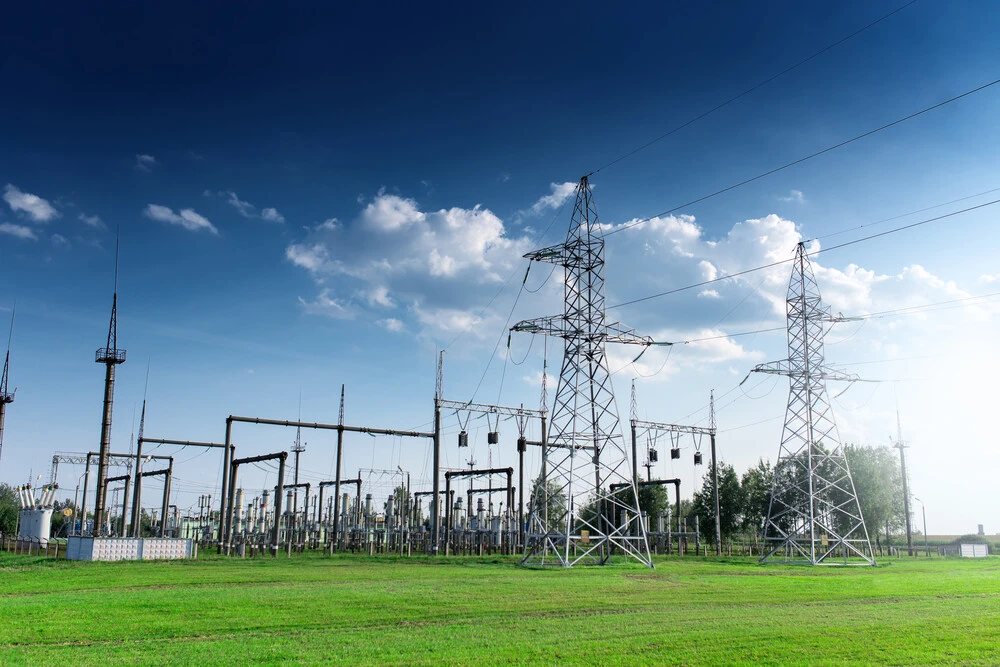
Electric power distribution is the final stage in the electricity delivery process. After power is generated and transmitted through high-voltage networks, it reaches substations where the voltage is reduced and distributed through local grids to end users.
A typical distribution system includes:
- Distribution substations
- Transformers
- Distribution lines
- Circuit breakers and protective devices
- Smart meters and monitoring systems
These components ensure that electricity flows safely and reliably to consumers. As electricity demand grows and new sources of renewable energy are integrated into the grid, distribution systems must evolve to manage more complex power flows.
Rising Energy Demand and Infrastructure Pressure
One of the biggest challenges facing electric power distribution networks is the rapidly increasing demand for electricity. Population growth, urban development, and industrial expansion are all driving higher energy consumption.
Modern cities require vast amounts of electricity to power:
- Transportation systems
- Manufacturing industries
- Commercial complexes
- Residential communities
- Data centers and digital infrastructure
In many regions, distribution networks were originally designed decades ago and were not built to handle such high loads. Aging infrastructure can result in inefficiencies, energy losses, and occasional disruptions.
To maintain reliability and efficiency, utilities and infrastructure companies must upgrade distribution systems to accommodate modern energy demands.
Integrating Renewable Energy into Distribution Networks
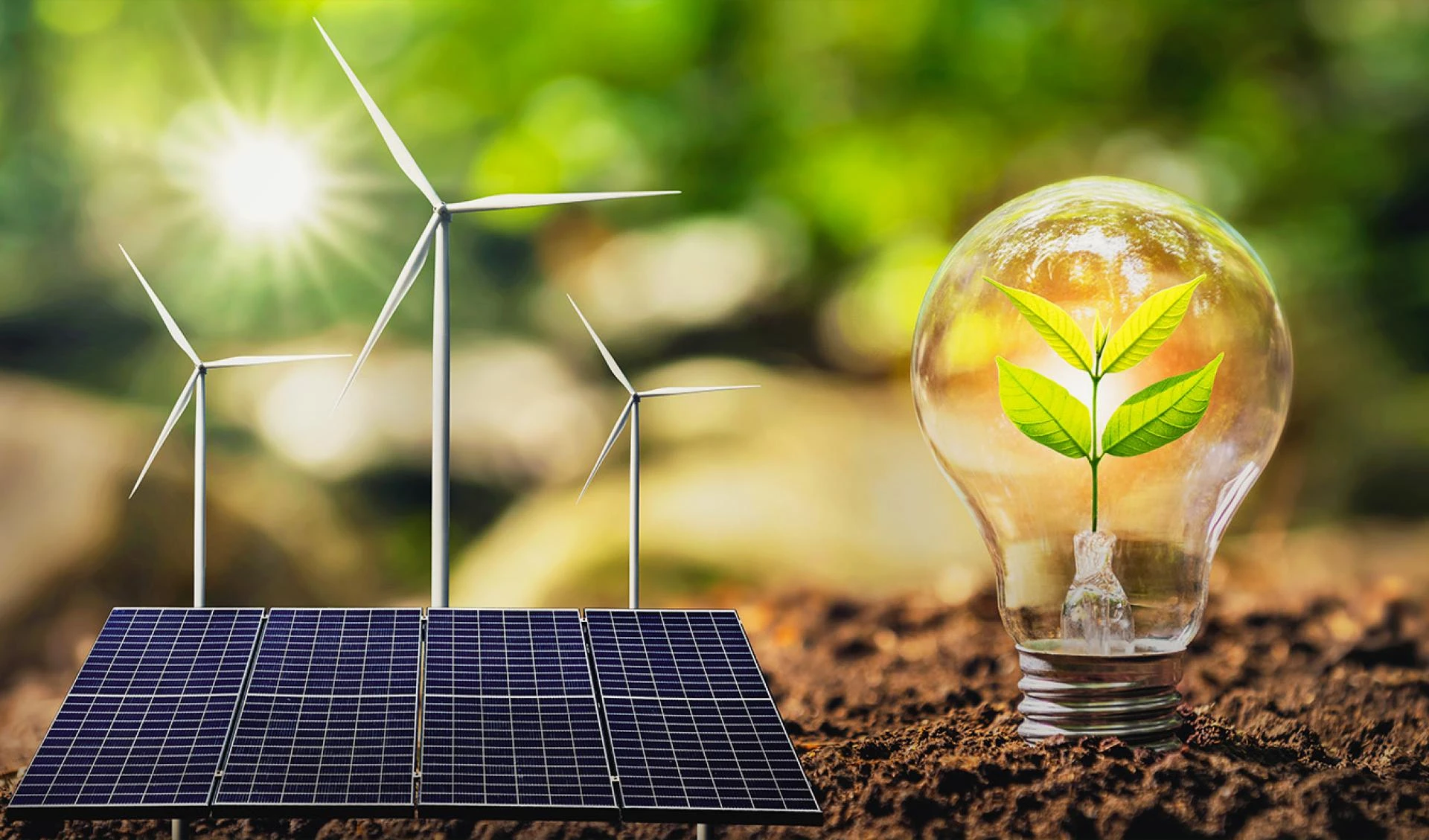
The global shift toward renewable energy is one of the most important factors reshaping electric power distribution. Solar and wind power installations are expanding rapidly, and these clean energy sources are increasingly being connected to distribution networks.
Unlike traditional power plants, which produce electricity in centralized locations, many renewable energy systems are decentralized. Rooftop solar panels, community solar farms, and distributed wind systems generate electricity closer to consumers.
While this creates opportunities for cleaner energy, it also introduces new challenges for power transmission & distribution systems:
- Fluctuating power generation due to weather conditions
- Bidirectional energy flow within the grid
- Increased complexity in grid management
- Voltage stability issues
To address these challenges, utilities are modernizing their distribution infrastructure and deploying smart technologies that allow real-time monitoring and control.
Grid Reliability and Resilience Challenges
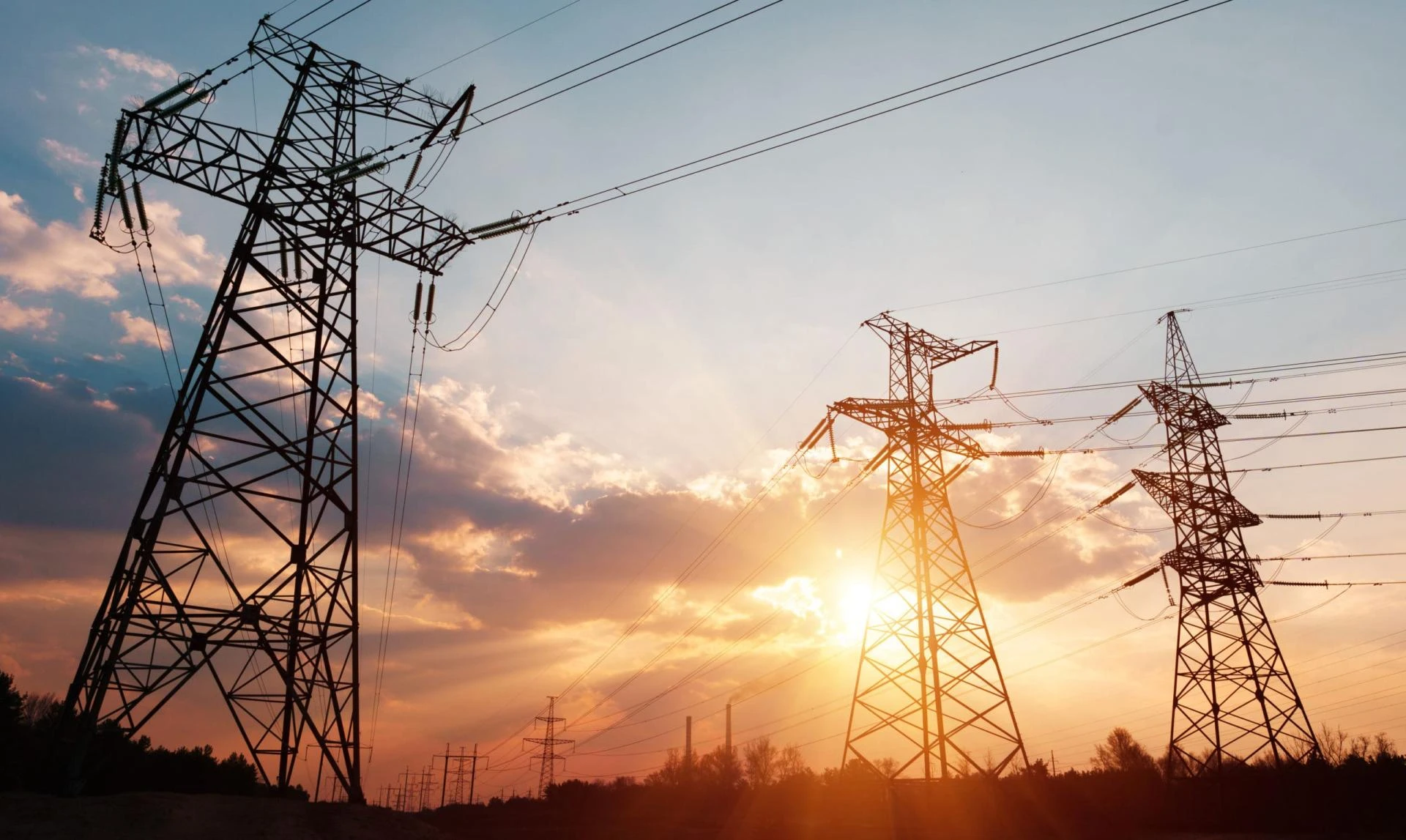
Maintaining reliable electricity supply is one of the primary responsibilities of distribution network operators. However, climate change and extreme weather events are making this task more difficult.
Storms, floods, and heatwaves can damage power infrastructure and disrupt distribution networks. Additionally, rapid urban expansion often places new stress on existing electrical systems.
To improve grid resilience, energy companies are investing in stronger infrastructure and advanced monitoring technologies. These upgrades help ensure that power systems can recover quickly from disruptions and maintain stable operations.
Innovations Transforming Electric Power Distribution
While the challenges are significant, the energy sector is also witnessing remarkable innovation in electric power distribution. New technologies are helping utilities improve efficiency, reliability, and sustainability.
Smart Grid Technology
Smart grids are modern electricity networks that use digital communication technologies to monitor and manage power flows in real time. Sensors and automated systems allow operators to quickly identify issues and respond to changes in electricity demand.
Smart grids also enable better integration of renewable energy projects, ensuring that clean power sources can be utilized efficiently.
Advanced Energy Storage Systems
Energy storage technologies are becoming an essential part of modern distribution networks. Batteries can store excess electricity generated by renewable sources and release it when demand increases.
This helps stabilize the grid and reduces the impact of intermittent renewable generation.
Digital Monitoring and Automation
Artificial intelligence, machine learning, and predictive analytics are transforming how utilities manage their distribution infrastructure. These technologies allow operators to predict equipment failures, optimize energy flows, and improve overall system performance.
Decentralized Energy Systems
Microgrids and distributed energy systems are gaining popularity in many regions. These systems allow communities, campuses, or industrial facilities to generate and manage their own electricity.
Microgrids can operate independently during outages, providing greater energy security and resilience.
Strengthening Power Transmission & Distribution Infrastructure
As the energy sector evolves, strengthening power transmission & distribution infrastructure has become a priority for governments and utilities worldwide. Modern distribution networks must be capable of supporting diverse energy sources, including solar, wind, hydro, and storage technologies.
Key strategies for improving distribution systems include:
- Expanding substation capacity
- Upgrading transformers and distribution lines
- Implementing smart metering systems
- Integrating renewable generation with grid infrastructure
- Deploying automated grid management solutions
By investing in these upgrades, energy providers can ensure that electricity distribution systems remain reliable and efficient for decades to come.
Electric Power Distribution and the Future Energy Ecosystem
Electric power distribution will play a critical role in shaping the future energy ecosystem. As electrification expands across transportation, manufacturing, and urban infrastructure, the demand for reliable electricity networks will continue to grow.
At the same time, the transition toward cleaner energy sources means that distribution systems must become more flexible and intelligent. The energy grid of the future will be far more dynamic, capable of managing complex energy flows from multiple sources.
Companies operating in the energy infrastructure sector will play a key role in building and maintaining these modern distribution networks.
Powering the Future with Hartek Group
As energy systems evolve, experienced infrastructure partners are essential for developing reliable and efficient distribution networks.
Hartek Group is a leading engineering and infrastructure company specializing in power systems, renewable integration, and advanced power transmission & distribution solutions. With extensive experience in executing large-scale energy infrastructure and renewable energy projects, the company plays an important role in strengthening modern power networks.
Frequently Asked Questions (FAQs)
1. What is electric power distribution?
Electric power distribution is the process of delivering electricity from transmission networks to end users such as homes, businesses, and industries. It involves substations, transformers, and distribution lines that ensure reliable electricity supply.
2. How does renewable energy impact power distribution systems?
The growth of renewable energy projects introduces new challenges for distribution networks because renewable generation can fluctuate. Modern distribution systems use smart grid technologies and energy storage to manage these variations effectively.
3. What is the difference between power transmission and power distribution?
Power transmission & distribution are two stages of electricity delivery. Transmission involves transporting electricity over long distances through high-voltage lines, while distribution delivers electricity locally to consumers at lower voltages.
4. Why are smart grids important for electric power distribution?
Smart grids use digital monitoring and automation technologies to improve the efficiency, reliability, and flexibility of electricity networks. They also help integrate renewable energy sources into distribution systems.
5. What is the future of electric power distribution?
The future of electric power distribution includes smarter grids, decentralized energy systems, energy storage integration, and improved infrastructure capable of supporting increasing electricity demand and renewable energy adoption.