
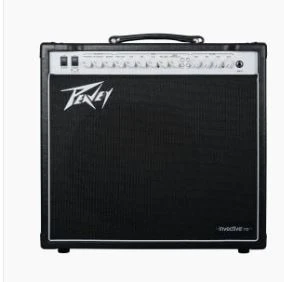
Great tone often starts long before pedals or recording tricks enter the picture. It begins with how your amp shapes the voice of your guitar. Many players chase new sounds without slowing down to learn what actually builds that character in the first place.
In this blog, we will explore how amps influence feel, texture, and response, and why understanding their features helps you shape tone with more confidence.
How an Electric Guitar Amp Shapes Your Tone
An electric guitar amp forms the base of your overall sound, and you can get far more out of it when you understand what each control really does.
Preamp and Gain Structure
The preamp sets the first layer of character. It shapes the guitar’s raw signal before anything else touches it. Gain controls how much the preamp is pushed, which changes how the tone reacts to your picking. When gain is low, you get a rounder, smoother sound. As gain rises, the tone thickens and starts to break up. This gives you everything from a warm edge to a gritty crunch.
You’ll notice noise rise when the gain goes too high, so listening for a sweet spot helps you balance fullness and clarity. Pushing the preamp harder also affects how the amp responds to softer or harder picking, which can make your playing feel more expressive.
EQ Controls and Frequency Shaping
Your EQ section shapes the body of your sound. Each knob plays its own part. Bass adds weight, mids define the tone’s identity, and treble adds brightness. Small adjustments can shift the entire character of your guitar, especially in a band mix.
Many guitarists underestimate mids, but this is the range that helps your guitar sit naturally in a track. Too little midrange makes the tone feel hollow. Too much can mask detail. Volume also affects EQ response, so the settings you use at home might feel different onstage. Listening closely at different levels helps you learn how each knob changes the tone’s shape.
Master Volume, Headroom, and Dynamic Feel
The master volume sets overall loudness, but it also affects how the amp breathes. As you turn it up, the sound tightens and feels more focused. Headroom refers to how much clean range you have before the amp starts to add natural breakup.
Higher headroom keeps tones clean even at louder volumes, which works well for players who want a strong, steady base before using pedals. Lower headroom gives you earlier saturation, which some players prefer for gritty, expressive playing.
Headroom also affects how your picking strength changes the tone, light picking stays clean, and heavy picking pushes the amp slightly harder.
Speaker Response and Cabinet Style
Speakers play a major part in shaping tone. A 12-inch speaker delivers a strong, balanced sound that works well for many styles. Smaller speakers feel quicker and brighter. Larger speakers can feel deeper and more powerful.
Cabinet style matters too. Open-back cabs spread sound around the room and feel airy. Closed-back cabs focus the sound forward and create more punch. The material and construction change how low-end forms sound, so two cabs with the same speaker size can still feel very different. When you listen closely, you’ll notice how the cabinet shapes the tone’s depth and direction.
Built-In Features That Shape Color
Many amps include added tone tools. Reverb gives your sound space and helps it feel more natural. Presence controls add a final layer of brightness that sits above the treble knob. Some amps include simple onboard effects that help round out your sound without needing more pedals.
These features shouldn’t replace technique or EQ work, but they help you fine-tune the overall feel. The best approach is to learn how each one changes your tone before building more layers around it.
Selecting the Right Amp for Your Playing Style
Your ideal amp depends on how you plan to use it. A home player often needs something small and controlled, so lower-volume amps with smooth tones work well. If you play shows often, you may prefer something with more power and stronger projection.
Tone preferences also guide your choice. Players who want deep cleans may look for higher headroom. Those who enjoy natural breakup often go for lower wattage models. Studio players usually pay close attention to noise levels, EQ range, and the way the amp reacts to microphones.
Space matters too. Some amps are compact enough for small rooms, while others need more distance before the tone develops fully.
Shaping Tone Through Playing Technique
Your amp responds differently depending on how you play. A softer touch gives you cleaner tones, and stronger picking adds more bite. Moving your picking hand closer to the bridge adds brightness and snap. Shifting closer to the neck warms the tone and softens the attack.
String choice also affects how your amp reacts. Thicker strings can make your tone feel fuller. Lighter strings add flexibility and a brighter edge. These small choices add up, and they help you build a tone that feels more personal.
Keeping Your Amp Performing Well
A well-cared-for amp keeps its tone steady. Simple steps help and give it enough space to breathe, keep dust away from vents, and make sure your cables are in good shape. Listen for small changes in noise or volume, as these signs may mean a part needs attention.
You don’t need great technical skills to maintain an amp. Just pay attention to how it normally sounds so you can catch problems early.
Conclusion
Understanding how an electric guitar amp shapes tone gives you a clearer path to sounds that feel right in your hands. As your ears grow, you’ll notice more details in how amps react to gear, technique, and volume. The best tones often come from steady curiosity, so keep experimenting and let your style evolve naturally.