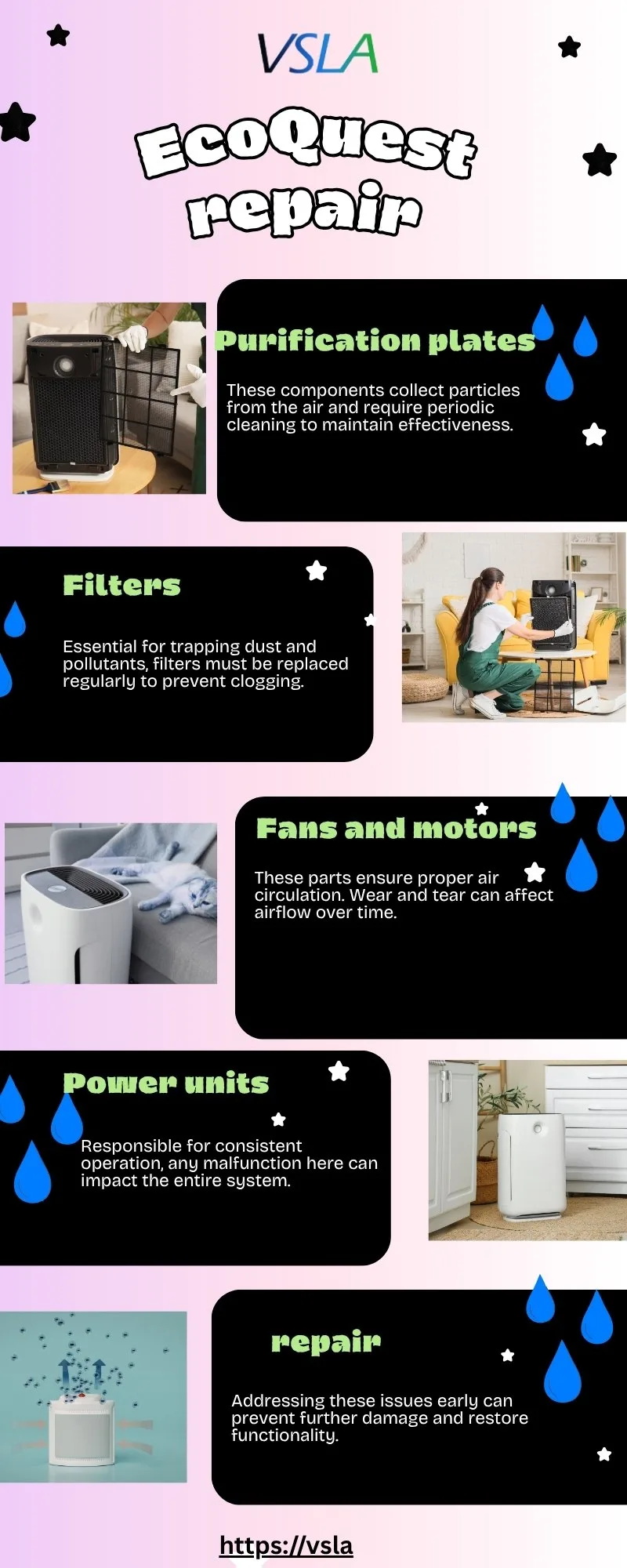
Indoor air quality has become an increasingly important subject in today’s fast-changing world. As people spend more time inside homes, offices, and commercial buildings, attention toward cleaner and healthier environments continues to grow. Dust, allergens, smoke particles, and poor ventilation are some of the common concerns that encourage individuals to seek practical ways to improve indoor comfort. This growing awareness has created interest in modern purification methods and environmentally responsible living habits that support a better quality of life.
In recent years, conversations around air treatment technologies have expanded significantly. Many consumers now prefer solutions that combine convenience, energy efficiency, and sustainable practices. Within these discussions, EcoQuest is often connected with topics related to indoor air management and cleaner living environments. The focus is no longer limited to comfort alone, as people also consider long-term wellness and environmental impact when exploring ways to improve indoor conditions.
Experts often recommend simple yet effective methods to maintain healthier indoor spaces. Proper ventilation remains one of the most important factors because fresh airflow can help reduce indoor pollutants and improve comfort levels. Regular cleaning routines, dust control, and minimizing exposure to harmful chemicals are also widely encouraged. These practices, combined with responsible habits, can contribute to creating a fresher atmosphere for families and workplaces alike.
Modern lifestyles have also increased the popularity of eco-friendly solutions. Consumers are paying greater attention to products and technologies that align with sustainability goals and energy-saving practices. Indoor plants, natural materials, and reduced chemical usage are becoming common choices among individuals who want cleaner and more balanced environments. As a result, awareness about environmental responsibility is now influencing purchasing decisions and lifestyle habits across different communities.
Technology continues to play a major role in shaping indoor wellness trends. Smart systems designed to monitor air conditions, humidity levels, and airflow are becoming more accessible in modern homes. These advancements help people better understand indoor environments and encourage healthier living practices. Businesses and property owners are also investing in cleaner indoor solutions to improve comfort for employees, visitors, and customers.
Another reason for rising interest in air quality is the increasing discussion around environmental challenges worldwide. Urban development, pollution, and climate-related concerns have encouraged people to think more carefully about the spaces where they live and work. Cleaner indoor environments are now viewed as an important part of overall well-being and modern living standards.
As awareness continues to grow, the future of indoor air management is expected to focus on sustainability, innovation, and healthier lifestyles. People are becoming more mindful of everyday habits that can improve indoor conditions while supporting environmental balance. This shift reflects a broader movement toward cleaner, smarter, and more responsible living practices that continue to influence homes and workplaces around the world.