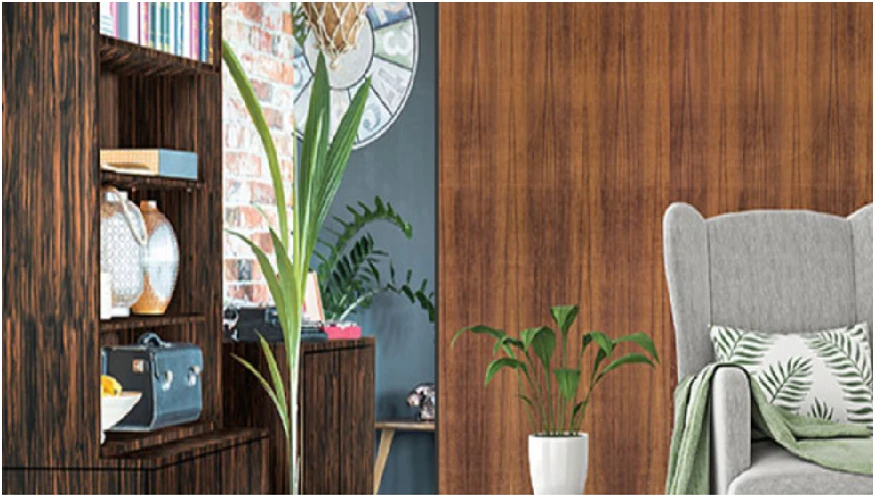
Design is no longer about looks alone. It is also about responsibility. People want spaces that feel good but also do less harm. Every surface plays a role in that balance. That is why many designers now choose materials that support sustainability. Veneers are one such choice. When made using safe methods and natural materials, veneer sheets offer both beauty and care. Decorative veneers bring warmth into a room without increasing the pressure on natural resources.
What Makes a Veneer Eco-Friendly
Not all veneers support green design. Only some are made using responsible steps. A good veneer uses wood from controlled sources. It avoids toxic glues. It keeps waste low. These veneer sheets are pressed with care. They release very little harmful gas into the air. Decorative veneers that follow these steps can be used in both homes and offices.
Better Materials Mean Better Air
The air inside your room should stay clean. That depends on what you bring into it. Veneer sheets made with low-emission resins do not pollute the air. They release less gas during and after installation. This helps reduce indoor pollution. Decorative veneers made this way are safe to use in bedrooms, study corners and even children’s rooms.
Natural Look Without Full Wood Usage
Full wood panels use a large amount of tree material. Veneer sheets use only a thin slice. This means less wood is needed to create the same visual effect. Decorative veneers offer the warmth of wood without the bulk. They also reduce the load on transport and storage. That makes them a better option for long-term planning.
Polish and Protection Without Toxic Coating
Most surfaces need a layer of polish. In eco-friendly veneers, this polish is water-based or low in toxins. The goal is to protect the surface without harming the user. These coatings keep the veneer sheets safe from dust and heat. Decorative veneers with such polish also age well. They do not release strong odour or cause eye irritation.
Longer Life Means Lower Waste
A more durable surface will save on replacement. That saves material. It also lowers labour cost. Carefully made veneer sheets remain hard over years. The decorative veneers are pressed with the high grade glue and subjected to stability test. They are easy to take care of and remain fresh and strong. That is why they are a more appropriate option when people want to avoid wasting.
Where to Use Eco-Friendly Veneers
- Kitchen cabinets that need both hygiene and surface strength.
- Study areas where air quality is a concern.
- Living rooms that demand both polish and comfort.
- Wall panels in offices that are kept close to high traffic.
- Bedrooms with warm and non-emitting surfaces.
Compaqible with Other Environmentally-Friendly Materials
The decorative veneers can be used with other low-impact materials. They can be combined with natural stone, recycled metal or low-VOC paints. Repurposed units of furniture can also be veneered using sheets of veneer. That will make it cheaper and lighter to construct something new. This renders them applicable in new residential homes as well as renovation.
Low Waste in Custom Projects
Many homes now use custom modular setups. These designs need material that fits odd shapes and tight corners. Veneer sheets can be cut cleanly with low wastage. Decorative veneers are also available in pre-measured formats. This reduces scrap. That helps save both money and natural material.
Conclusion
Eco-friendly design is about simple steps taken early. Choosing the right surface is one of those steps. Veneer sheets offer the strength and polish of natural wood without its full impact. Decorative veneers made using safe methods support a cleaner home and a calmer planet. That is why thoughtful users now choose products that serve both space and conscience. CenturyPly remains one of the few names that offer veneer options made for today’s world and tomorrow’s needs.